by Amit Roy
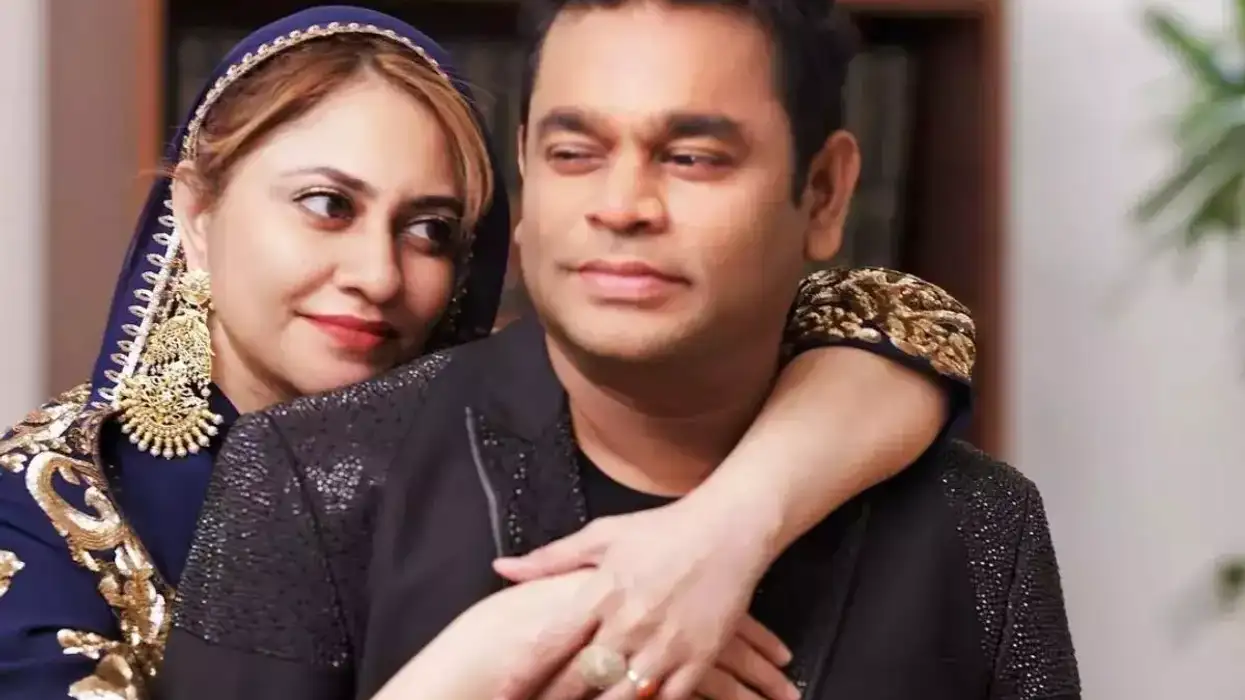
PRIYANKA GANDHI VADRA, 47, Rahul Gandhi’s younger sister by a year, has caused much excitement in India by entering politics as Congress general secretary for the central state of Uttar Pradesh.
There are only a few weeks to go before India’s 17th general election, which will be a verdict on prime minister Narendra Modi’s five years in power at the head of a Bharatiya Janata Party (BJP) government.
In 2014, Modi stormed to power when the BJP won 282 out of 543 seats, while Congress, headed now by Rahul, was reduced to a rump of 44.
A Sunday Times report last weekend (27) concluded: “Modi, for now, seems to remain favourite to emerge as prime minister after the elections, although possibly leading a minority BJP government in alliance with smaller parties.”
Whatever one might think of dynastic politics, Congress workers have enthusiastically welcomed Priyanka’s appointment.
During his trip to the UK last year, Rahul was careful to say he was not the prime ministerial candidate. That, he emphasised, would be decided only after the election and would depend, one assumes, on how well or badly Congress performed. Since Congress defeated the BJP last year in three state elections – in Rajasthan, Chhattisgarh and Madhya Pradesh – with Rahul as party president, it is possible Modi will struggle to be returned to power, especially if the major opposition parties unite to fight the BJP.
For 10 years, Priyanka has led a private life, bringing up her children and keeping a relatively low profile, possibly because her husband, Robert Vadra, has been involved in a number of controversial business deals. Priyanka’s father, Rajiv Gandhi, and her grandmother, Indira Gandhi, both served as India’s prime minister, as did her great grandfather, Jawaharlal Nehru.
No one can predict what the whirligig of time will bring, but Priyanka reminds many Indians
of the indomitable Indira. Much more than Rahul, she looks like a future prime minister. India is like this only, with the Nehru-Gandhi family retaining its clout in the world’s largest democracy.
It is still too early to make confident forecasts about the election result, not least because there are so many regional factors in Indian politics and the opposition parties have not worked out whether they can work together to oust the BJP from power.
When it comes to the economy, Modi inspires greater confidence than Rahul. However, there is growing uneasiness that during the past five years, Hindu extremist groups have sought to change the generally secular and tolerant culture of India by imposing beef bans, for example, and lynching Muslims caught by self-appointed cow-protecting vigilantes.
History has shown that there can be violent swings in Indian elections. Priyanka herself has
given no indication she will contest the polls, but the chances are her very presence will prove a morale booster to party workers. Her entry has made the BJP very jittery.