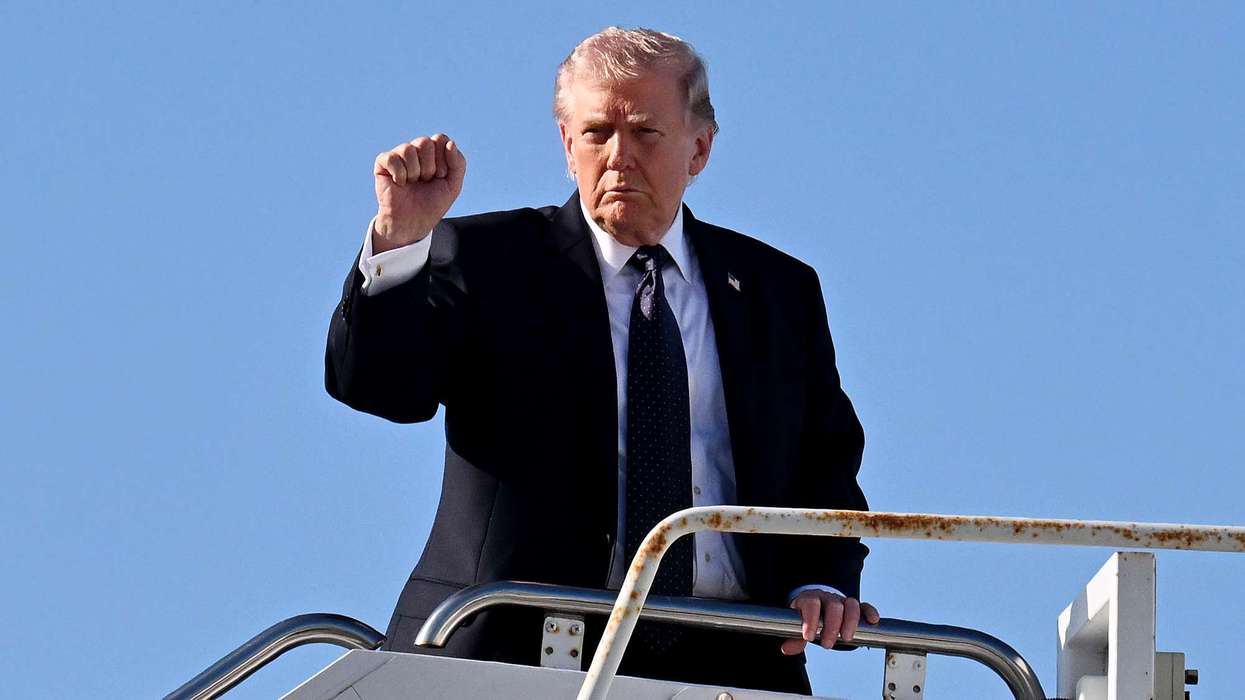

US PRESIDENT Donald Trump’s special military operation in Iran, which he started with Israel on February 28, is not ending as quickly as he might have hoped.
Meanwhile, the rising price of oil is affecting economies around the world. It is certainly devastating the lives of the poorest in India.
Iran, like quicksand, has the ability to suck people into chaos. I remember being in Behesht-e Zahra Cemetery in Tehran and witnessing the burial of the first Iranian casualties after Iraq had launched an attack to try and topple Ayatollah Khomeini.
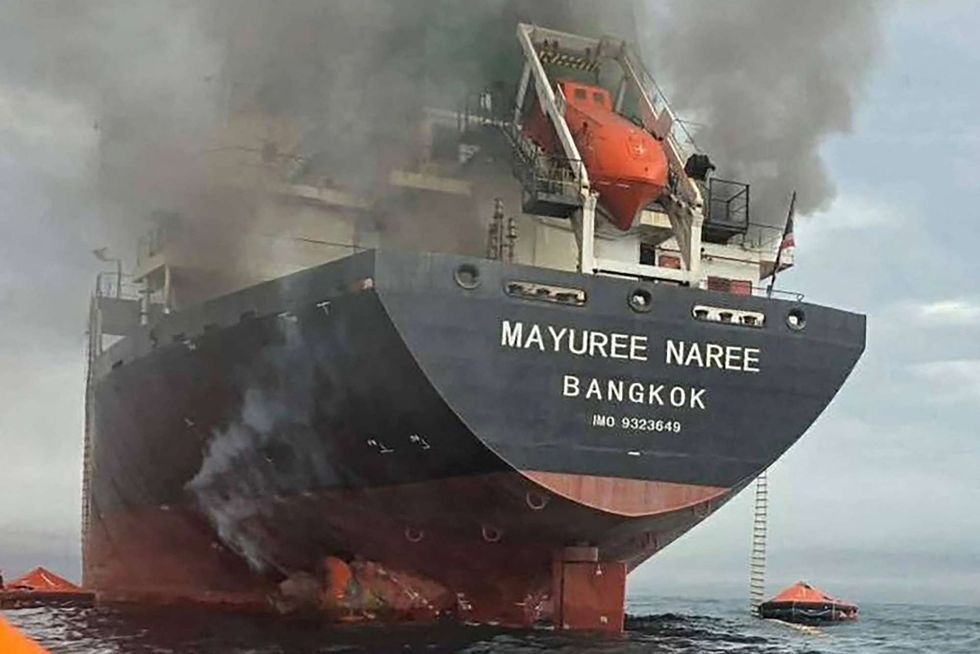 A Thai bulk carrier attacked while passing through the Strait of Hormuz last Wednesday (11)Handout/Royal Thai Navy/AFP via Getty Image
Saddam Hussein was encouraged by the likes of Donald Rumsfeld that Iran could be defeated within a couple of weeks. What the Iraqis had not anticipated was that young Iranians from the Pasdaran Corps would throw themselves in front of Iraqi tanks. I subsequently visited the front lines. The Iranians, being generous hosts, offered me martyrdom as an expression of friendship to an Indian. The war lasted eight years.
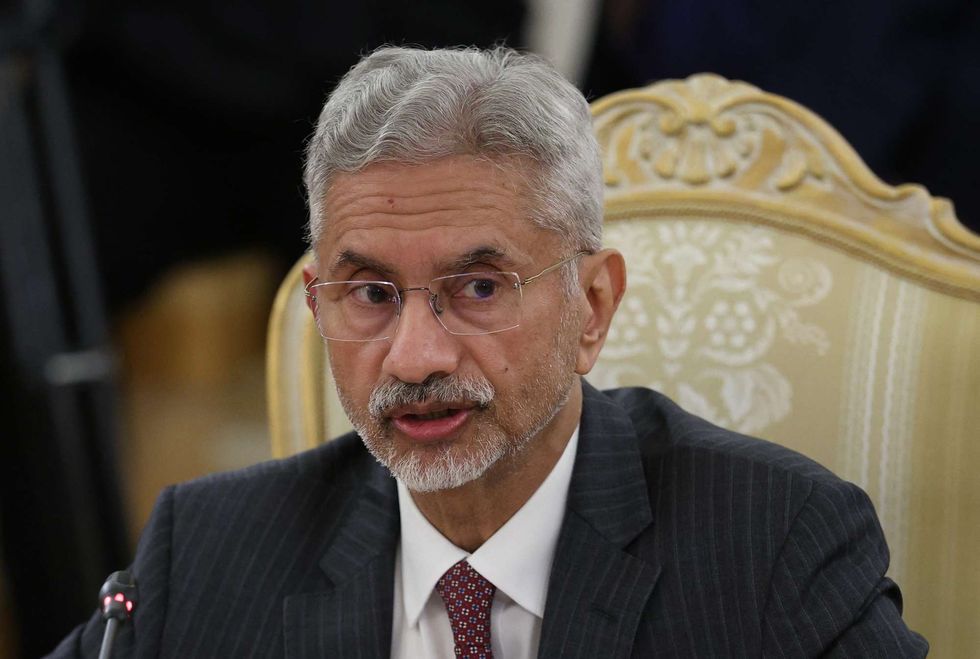 S JaishankarRamil Sitdikov/Pool/AFP via Getty Images
I am not predicting Trump’s war will also last eight years but the Americans and the Israelis could get bogged down if the Iranian regime refuses to fall. That might require American boots on the ground. Replacing the regime would also be a problem since the entire ruling apparatus is hardline.
The politics of the Iran war are also changing. In Britain, criticism of Sir Keir Starmer for not giving his full support to Trump is becoming less strident with each passing day.
Trump has appealed to China, France, Japan, South Korea and the UK to join a “team effort” to open up the chokepoint through which a fifth of the world’s oil passes.
“It’s only appropriate that people who are the beneficiaries of the Strait (of Hormuz) will help to make sure that nothing bad happens there,” Trump told the Financial Times. “If there’s no response or if it’s a negative response I think it will be very bad for the future of Nato.”
“We’ve essentially decimated Iran,” he claimed. “They have no navy, no anti-aircraft, no air force, everything is gone. The only thing they can do is make a little trouble by putting a mine in the water — a nuisance, but the nuisance can cause problems.”
India’s external affairs minister, S Jaishankar, revealed he had managed to get two Indian-flagged gas tankers to pass through the Strait on Saturday.
“I am at the moment engaged in talking to them and my talking has yielded some results,” he told the FT. “This is ongoing. If it is yielding results for me, I would naturally continue to look at it. Certainly, from India’s perspective, it is better that we reason and we co-ordinate and we get a solution than we don’t. So if that sort of allows other people to engage, I think the world is better off for it.”
Jaishankar denied that Iran had received anything in exchange, and cited a “history of dealing with each other ... which is the basis on which I engaged ... It’s not an exchange issue ... India and Iran have a relationship. And this is a conflict that we regard as something very unfortunate.”
But talking to Iran is not an option for Trump because that would mean recognising the regime in Tehran – and betraying the demonstrators he had promised to help.
And back in Britain, chancellor Rachel Reeves will be able to blame her mismanagement of the economy on the Iran war.

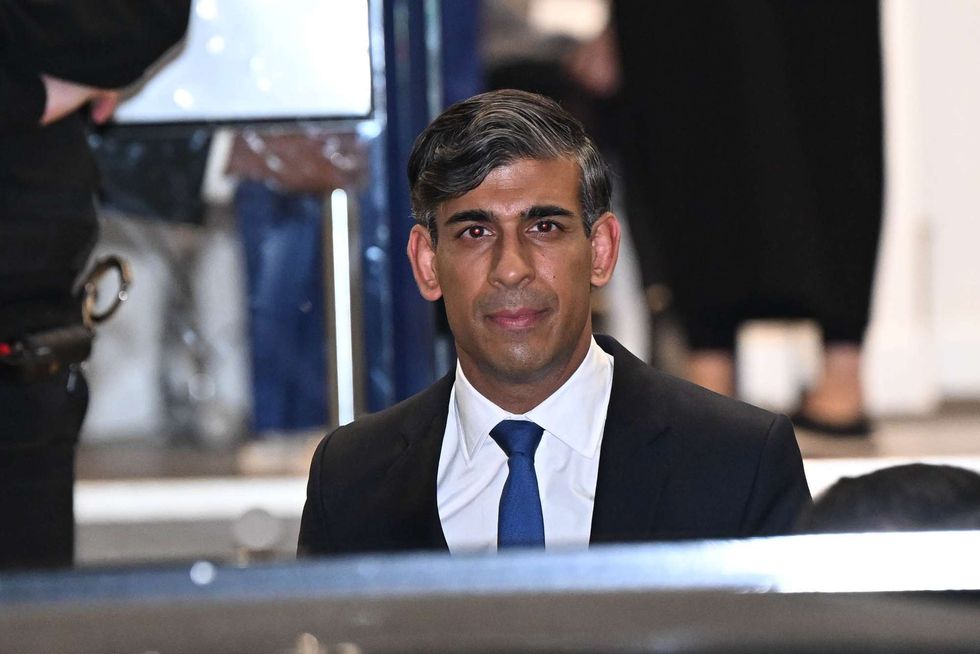 Rishi SunakLeon Neal/Getty Images