
Highlights
- German airports face heaviest flight cuts.
- Fuel prices doubled since Iran conflict began.
- UK heavily dependent on Middle East imports.
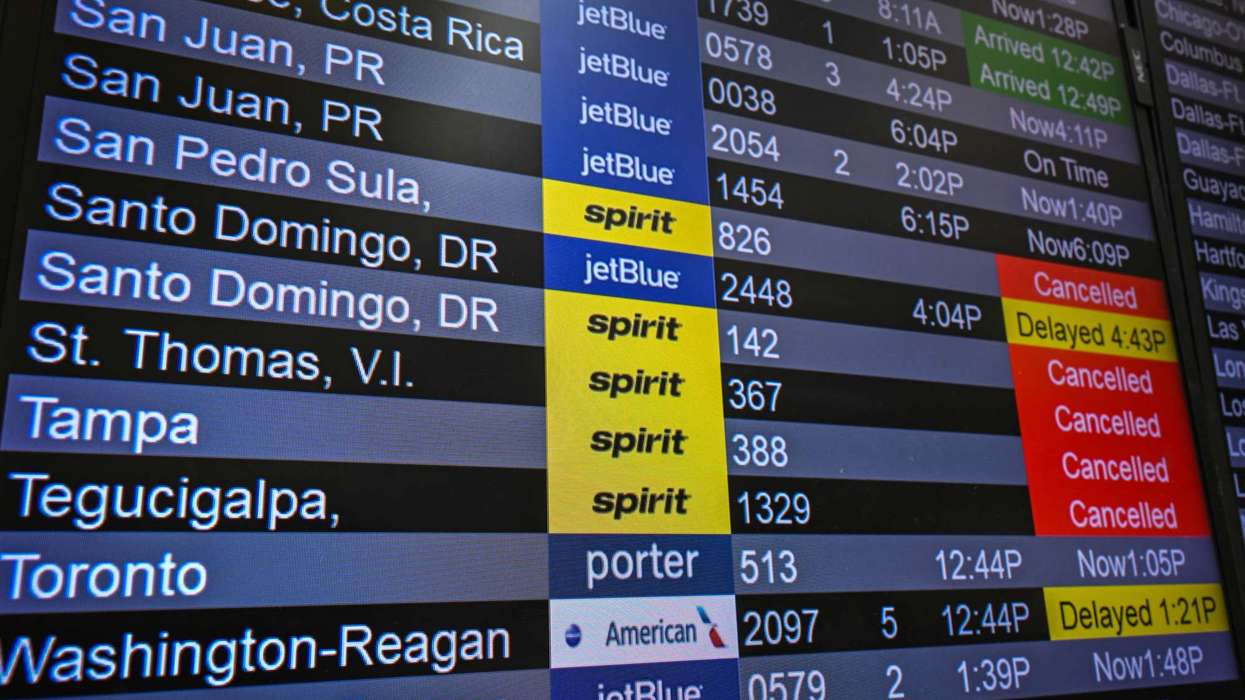
German airports are experiencing the worst disruptions, with Munich, Frankfurt and Stuttgart seeing the most cancellations.
Lufthansa, Germany's largest airline, announced last month it would cancel 20,000 flights because of rising fuel costs.
British airports have also confirmed route cancellations including London Heathrow to Beijing and Cairo, Manchester to Munich, and Heathrow to Barcelona.
Turkish Airlines, Air China, British Airways, Emirates, Delta and Air France have all reduced their flight numbers significantly. Fuel prices have nearly doubled since the conflict started, forcing carriers to conserve supplies.
Many UK airlines bought fuel in advance at cheaper prices, but suppliers now warn that Britain has "the most limited visibility" in Europe regarding jet fuel supply.
This is because the UK relies heavily on imports from the Middle East. Industry experts expect May to be manageable but predict serious disruptions from mid to late June if the Strait of Hormuz, a vital Middle Eastern waterway, stays closed.
The Department for Transport announced last week that airlines can cancel or combine flights without losing important landing and take-off slots.
Prime minister Sir Keir Starmer said last week that people may need to change holiday destinations.
Airlines UK told The Times that carriers "continue to operate normally" and welcomed government planning, including measures that let airlines adjust schedules responsibly.