
Skip to content
Search

Latest Stories

Iran charges two British nationals with espionage

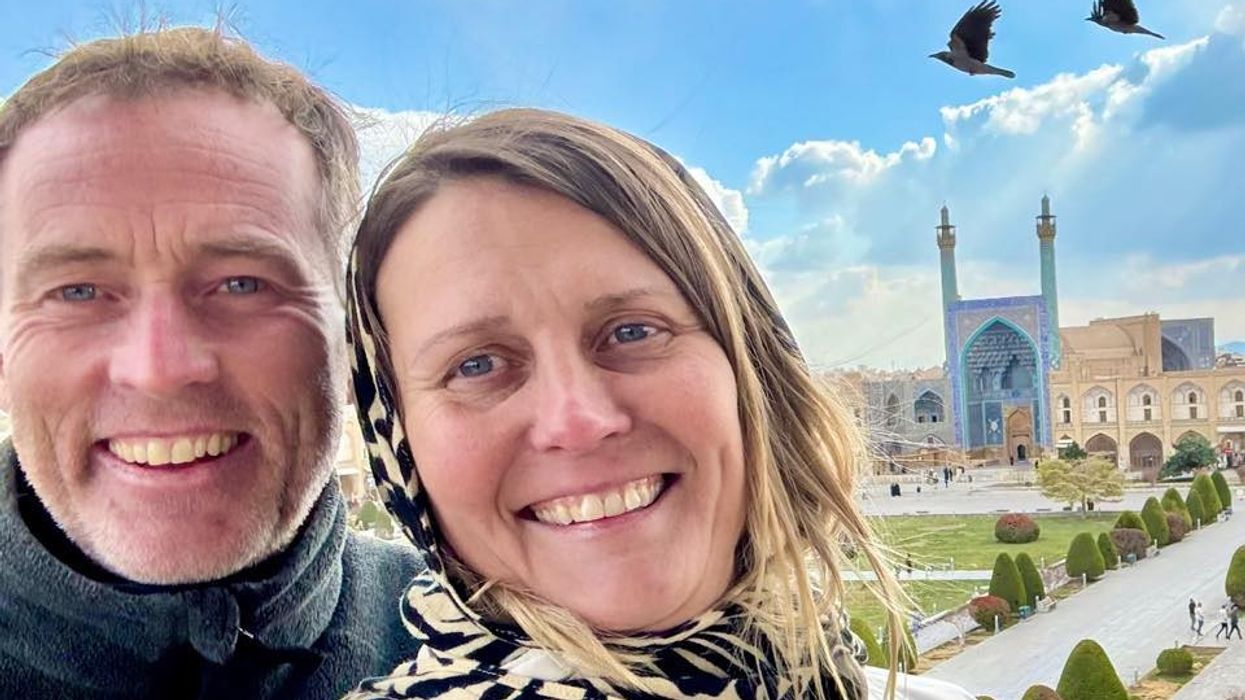
The two were accused of gathering information in different parts of the country. The British Foreign Office identified them as Craig and Lindsay Foreman.

Lindsay-Craig-Foreman-FB

The British Foreign Office identified them as Craig and Lindsay Foreman. (Photo credit: Facebook/Lindsay Foreman)

TWO British nationals detained in Iran have been charged with espionage, the Iranian judiciary’s Mizan news agency reported on Tuesday.

The two were accused of gathering information in different parts of the country.


The British Foreign Office identified them as Craig and Lindsay Foreman.

Their family said on Saturday that they were in contact with the relevant authorities to ensure their well-being and safe return.

Mizan stated that the two had entered Iran as tourists and had collected information in several provinces.

The report did not provide further details. British media have reported that they are a married couple.

A judicial official cited by Mizan said the pair had links to intelligence services and that investigations into their alleged connections were ongoing.

In recent years, Iran’s Revolutionary Guards have detained several foreigners and dual nationals, mostly on espionage and security-related charges.

Human rights groups and some Western countries have accused Iran of using such arrests to gain leverage in diplomatic negotiations. Tehran has denied these claims.

(With inputs from Reuters)

More For You

Net zero migration could widen the budget deficit beyond 4 per cent by 2060

The money problems would be bad enough to make more people call for ending the triple lock pension promise

Getty Images

Net zero migration could widen the budget deficit beyond 4 per cent by 2060

Highlights

  • Economy could drop to £3.9tn under zero migration.
  • GDP could drop 15 per cent by 2060
  • Tax income falls faster than spending cut.
Britain's economy could lose £700 billion by 2060 if net migration drops to zero, new research shows. The findings highlight the major money problems that would come from stopping immigration

Oxford Economics worked out that GDP would shrink by 15 per cent if migration stayed at zero for the next three decades.

Right now, the research group expects net migration to stay around 169,000 over the next five years, then rise to 272,000 in the long term.

Keep ReadingShow less