
Skip to content
Search

Latest Stories

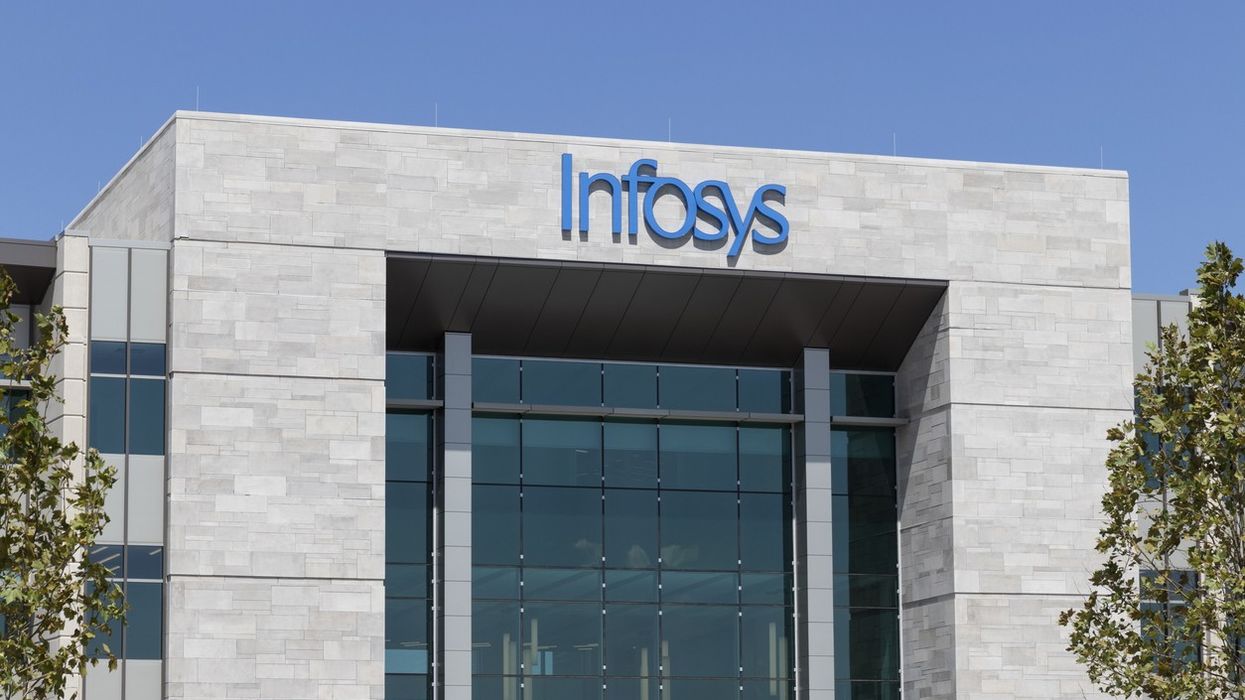
Infosys forecasts lower annual growth after Trump tariffs cause global uncertainty

The company earns more than 80 per cent of its revenue from Western markets

Infosys forecasts lower annual growth after Trump tariffs cause global uncertainty

The IT service firm said its revenue would either stay flat or grow by up to three per cent

Getty Images

INDIAN tech giant Infosys forecast muted annual revenue growth last Thursday (17) in an outlook that suggests clients might curtail tech spending because of growing global uncertainty.

The IT service firm said its revenue would either stay flat or grow by up to three per cent in the fiscal year through March 2026 on a constant currency basis. The sales forecast was lower than the 4.2 per cent constantcurrency revenue growth Infosys recorded in the previous financial year.


As India’s second-largest software services exporter, Infosys earns more than 80 per cent of its revenue from Western markets. Like many of its rivals, it had anticipated a revival in demand in 2025 after a growth slowdown for most of 2024. However, lingering weakness in client spending and US president Donald Trump’s trade policies have clouded the IT sector’s growth outlook.

Chief executive Salil Parekh said the environment was “uncertain” and Infosys would execute its plans with “agility”, while keeping a “close watch on changes”.

Infosys also reported its March quarter results last Thursday, posting an 11.75 per cent yearon-year drop in net profit to `70.3 billion ($823.5 million/£615.7m).

The company’s revenue for the three months ended March 31 rose 7.9 per cent to `409.25bn.

More For You

Black Friday

KPMG suggested that cash-strapped households would continue to be cautious as unemployment rises to 5.2 per cent

Getty Images

UK shoppers stay away from high streets on Black Friday

Highlights

  • High street footfall down 7.2 per cent compared to Black Friday last year amid cost of living pressures.
  • KPMG predicts subdued 1 per cent GDP growth for 2026 as households remain cautious.
  • Business confidence near record lows with hospitality sector warning of "extinction event".
UK shoppers held back from visiting high streets over Black Friday, with footfall data revealing growing concerns about weak consumer spending that could hamper economic growth in 2026.

Visitors to all UK shopping destinations fell 2 per cent on Friday and 7.2 per cent compared with the equivalent days last year, according to monitoring company MRI Software. Only locations near central London offices experienced increased visits.

Jenni Matthews from MRI told the Guardian "The cost of living squeeze appears to be weighing on overall activity." The lacklustre figures emerged as consultancy KPMG warned that soft consumer spending would hold back the economy over the next 12 months.

Keep ReadingShow less