
THE UK’s annual inflation rate eased in October, official data showed on Wednesday, offering some relief to the government a week before it announces its latest budget.
The Office for National Statistics (ONS) said the Consumer Prices Index rose by 3.6 per cent in the 12 months to October, down from 3.8 per cent in September.
The annual budget on November 26 is expected to include tax rises as Labour, which is trailing in opinion polls, seeks to reduce government debt and increase investment in public services.
“This fall in inflation is good news for households and businesses across the country, but I'm determined to do more to bring prices down,” chancellor Rachel Reeves said in a statement.
“That's why at the budget next week I will take the fair choices to deliver on the public's priorities to cut NHS (National Health Service) waiting lists, cut national debt and cut the cost of living,” she added.
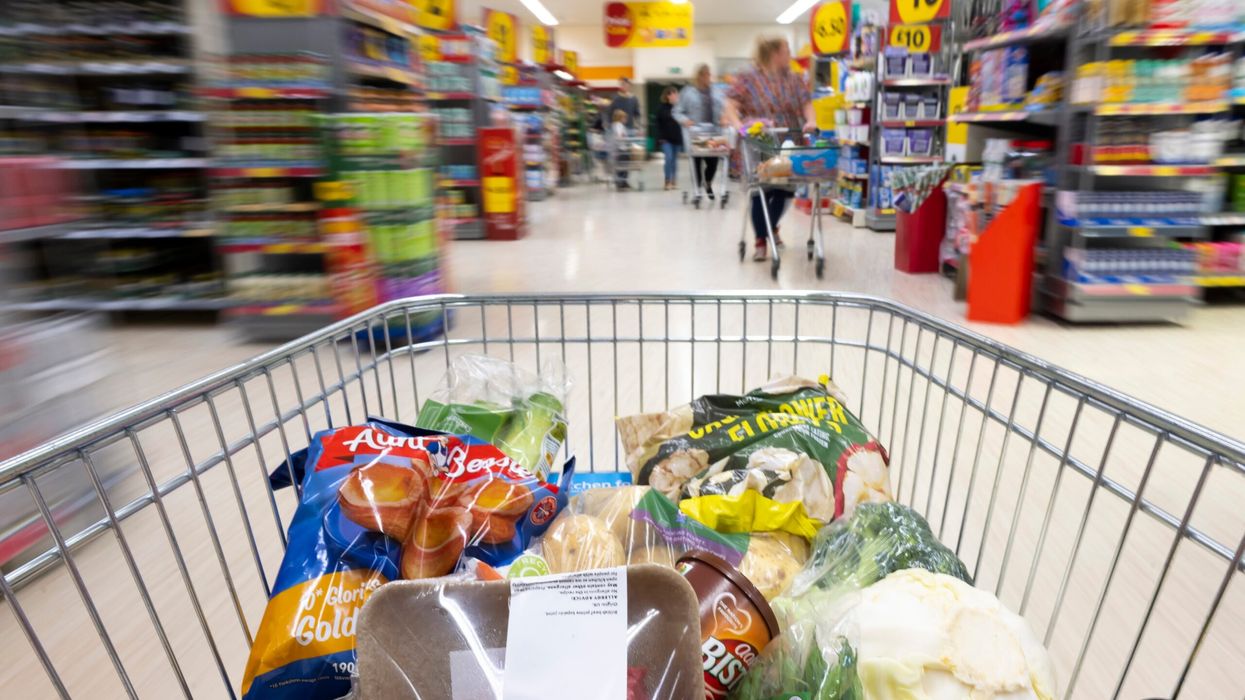
The ONS said the slowdown in inflation was mainly due to gas and electricity prices rising less than they did a year earlier, although this was partially offset by rising food prices.
Analysts said the decline in inflation could lead the Bank of England (BoE) to cut its main interest rate in December, though the decision may also depend on next week’s budget.
The data follows figures last week showing the UK economy slowed in the third quarter, with unemployment rising.
Prime minister Keir Starmer’s Labour government has faced difficulties in achieving sustained economic growth since taking office in July 2024 after 14 years of Conservative rule.
Many economists attribute weak growth to Reeves’ decision to raise a tax on businesses in her first budget last year.
“All eyes now turn to the budget next week,” said Isaac Stell, an analyst at investment manager Wealth Club.
“With the expected fiscal tightening in the form of tax rises a foregone conclusion, policymakers at the BoE will be watching closely to see how these measures affect growth and demand.
“The Bank of England stands ready to deliver a pre-Christmas rate cut... and the consumer will be able to raise a glass to that.”
Earlier this month, the BoE held its main rate at 4.0 per cent, with governor Andrew Bailey saying the bank needed to see more evidence of inflation returning to its two per cent target.
Retail banks usually pass on BoE rate cuts to customers, lowering the cost of mortgages and business loans.