INDIANS in the southern state of Tamil Nadu, which U.S. vice president hopeful Kamala Harris visited as a kid, erected banners, held special prayers and wished her success.
Villagers in Painganadu, Harris' ancestral village, put up banners of Harris. Harris' mother, who migrated to the US to study, traces her roots to this non-descript hamlet in eastern Tamil Nadu.
"They (Kamala Harris) have gone to the level of contesting for a vice-presidential candidate in America. Naturally, the villagers are very happy," Ramanan, a trustee at a local temple, told Reuters Television.
Harris, born to an Indian mother and a Jamaican father who both immigrated to the US to study, made history last week when US democratic presidential candidate Joe Biden picked her as his vice president.
Ramanan, who goes by only one name, said Harris' maternal grandfather P V. Gopalan, a former high-ranking Indian government official, donated funds to the temple when he visited.
On annual trips to India as a child, Kamala Harris would go for strolls with her maternal grandfather and his friends. In a speech in 2018, Senator Harris recalled those early visits to her grandparents in India.
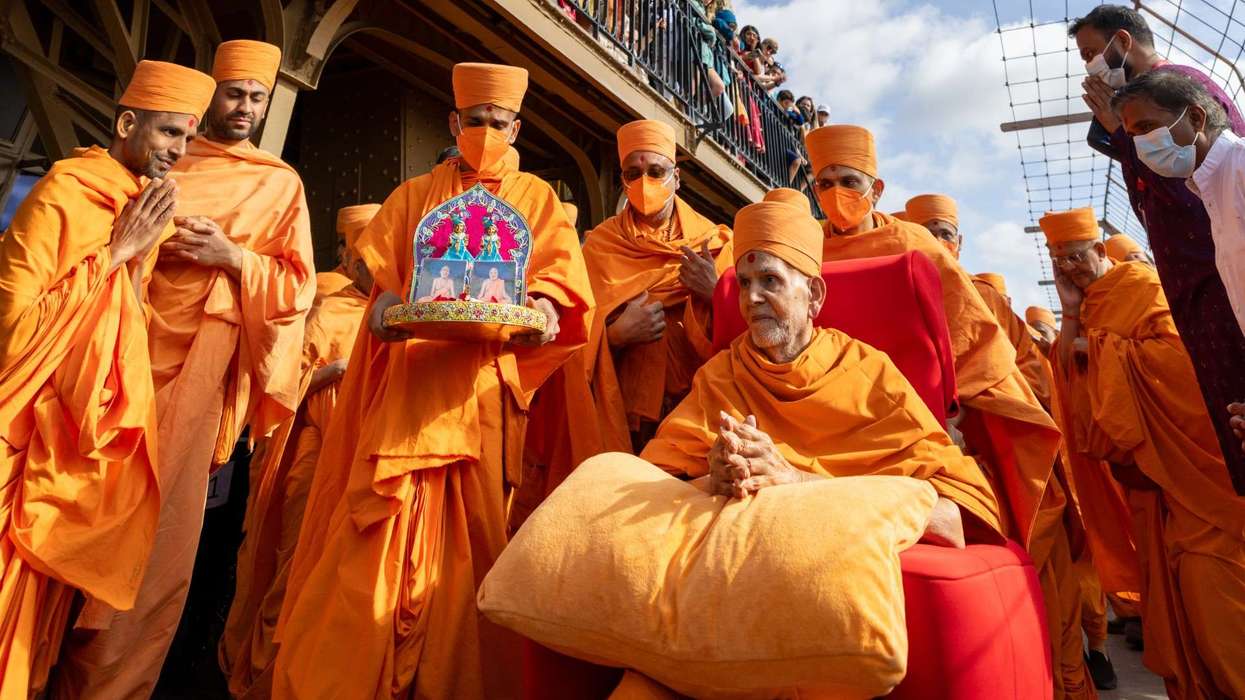
Further south, in Tamil Nadu's Rameswaram town, priests held special rituals and prayed for Harris' victory.
"Kamala Harris - she is of Indian descent, she should win the election and also should be in favour of India," said Ananthapadmanaba Sharma, a priest at the Ramanathaswamy temple.
"We will do all kinds of worship and the Lord will answer our prayers for her victory," Sharma said.