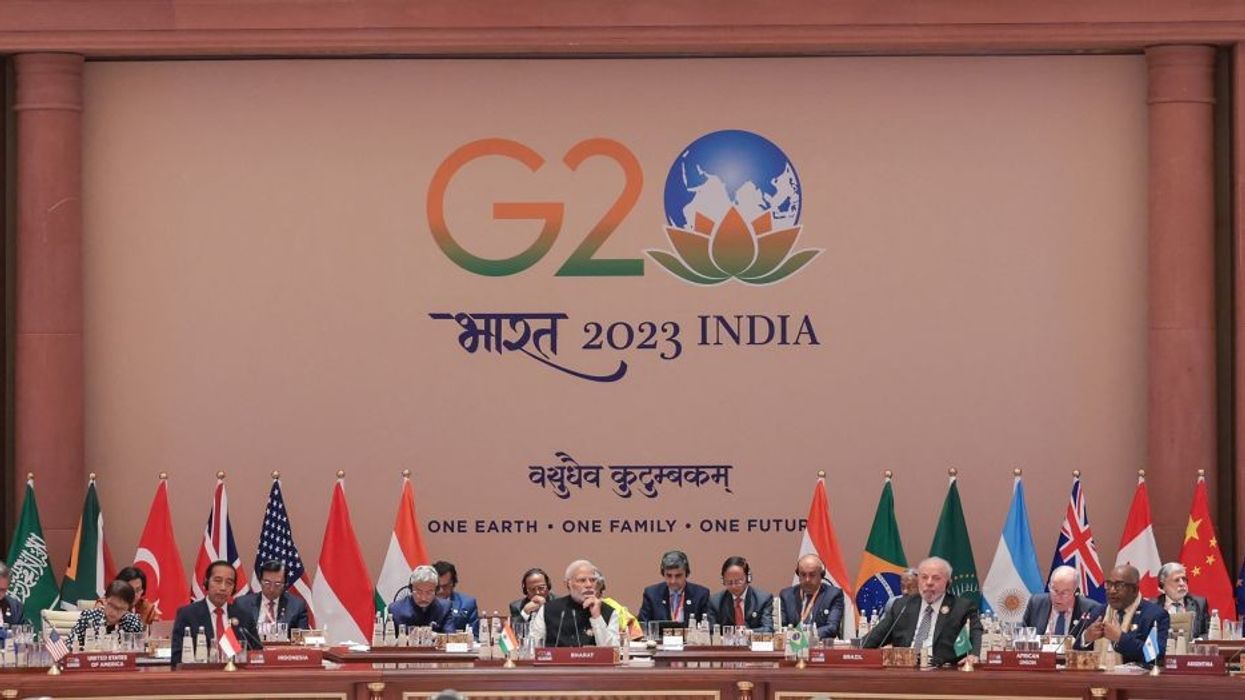

INDIA has reportedly spent £400 million on the just concluded G20 summit mainly on infrastructure and security, reports said.
The landmark summit was held in Bharat Mandapam at New Delhi’s Pragati Maidan on September 9 and 10. India assumed the presidency of the grouping in December last year.
The city was guarded by nearly 130,000 security personnel, including the 80,000-strong Delhi Police.
Thousands of personnel from other government security services including the home guards and the para-military Border Security Force were brought in to maintain law and order in the capital.
During the weekend summit, New Delhi's borders were closely guarded and access to the city was restricted.
The Indian military, including the air force, along with the Delhi Police and paramilitary forces, deployed anti-drone systems to prevent any aerial threats. About 400 firefighters were also on duty.
Security control rooms were set up at the venue and special security arrangements have been made at key hotels like the ITC Maurya Hotel, where Biden stayed.
Modi inaugurated a £241m venue in the capital in July to host the summit meeting - a conch shell-shaped building that can seat more than 3,000.
The government has also leased 20 bullet-proof limousines at a cost of £1.8m for ferrying leaders.
In the 2023-24 budget, it was specified that the government had earmarked £96m for the G20 presidency. The finance minister had emphasised during the budget announcement that holding the presidency provided India with a distinct chance to enhance its position in the global economic landscape.
Although the budget for direct expenses associated with the presidency has been unveiled, the government has also allocated funds for the preparation of New Delhi for the significant summit.
A document shared by minister Meenakshi Lekhi revealed that more than £400m has been invested in Delhi in anticipation of the G20 summit. According to the document, both Delhi and central government agencies have incurred these expenses.
As stated in the report, the funds were utilised for a range of purposes, including road improvements, security measures, sidewalk enhancements, and lighting upgrades, among other things.
Furthermore, various sculptures have been installed at multiple locations in the national capital as part of the city's transformation process. As of now, specific details regarding other direct expenses linked to the event in Delhi have not been disclosed.
Historically, many countries have allocated substantial budgets for hosting the G20 summit. According to available data, Canada, for instance, allocated £420m for the 2010 summit held in Toronto. Similarly, the cost of the Buenos Aires summit in 2018 amounted to £90m.
(with inputs from Reuters)





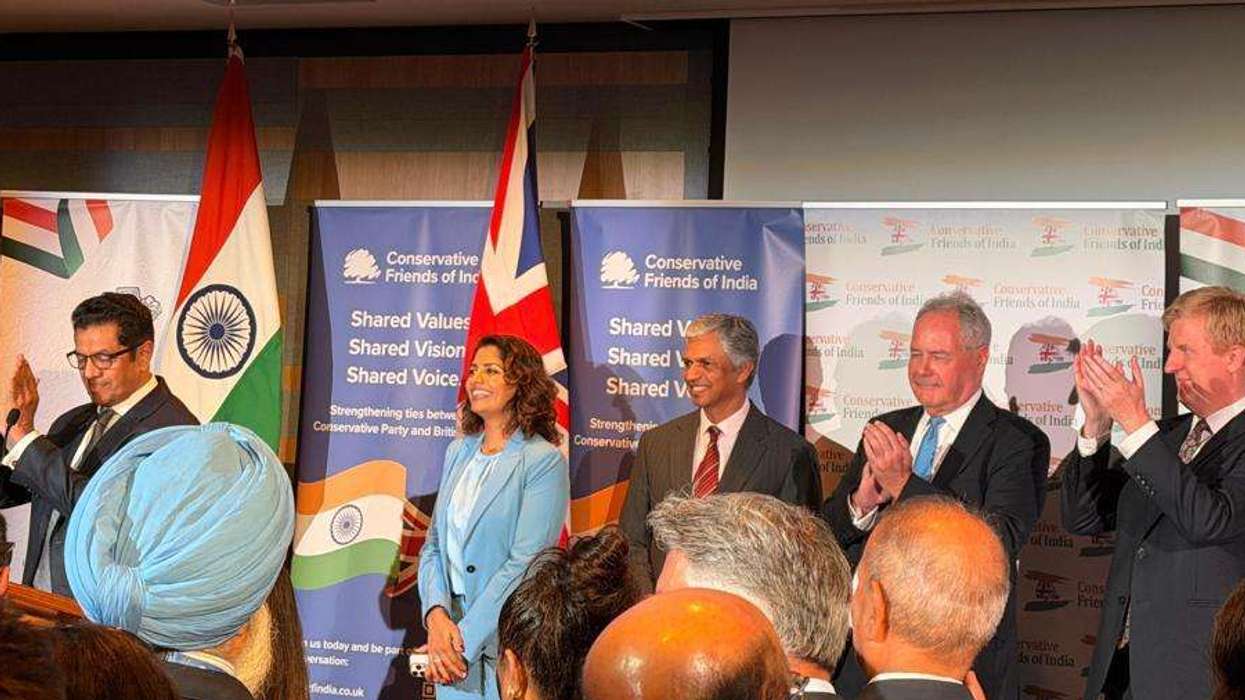
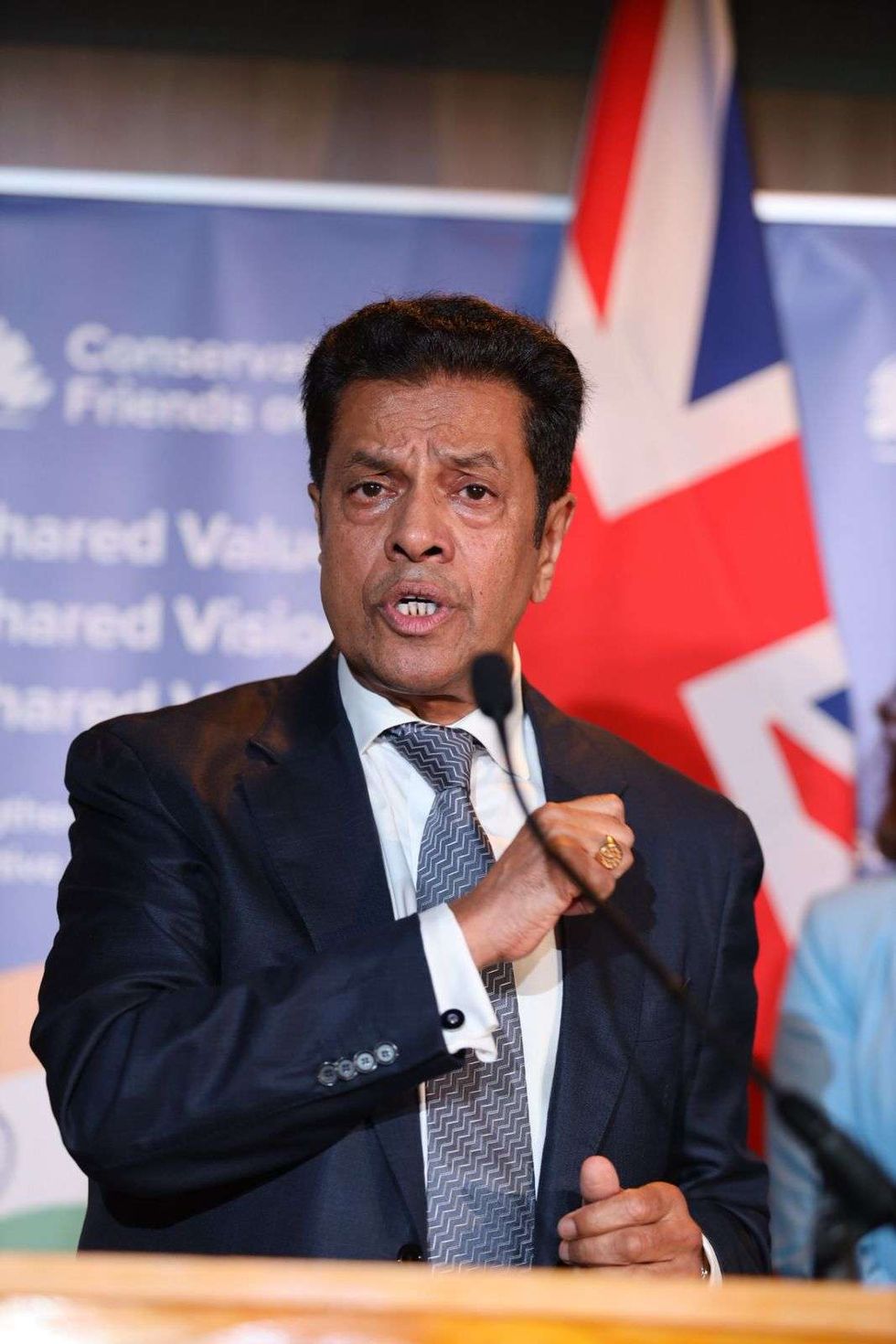 CFIndia co-chair Dr Koolesh Shah CFIndia
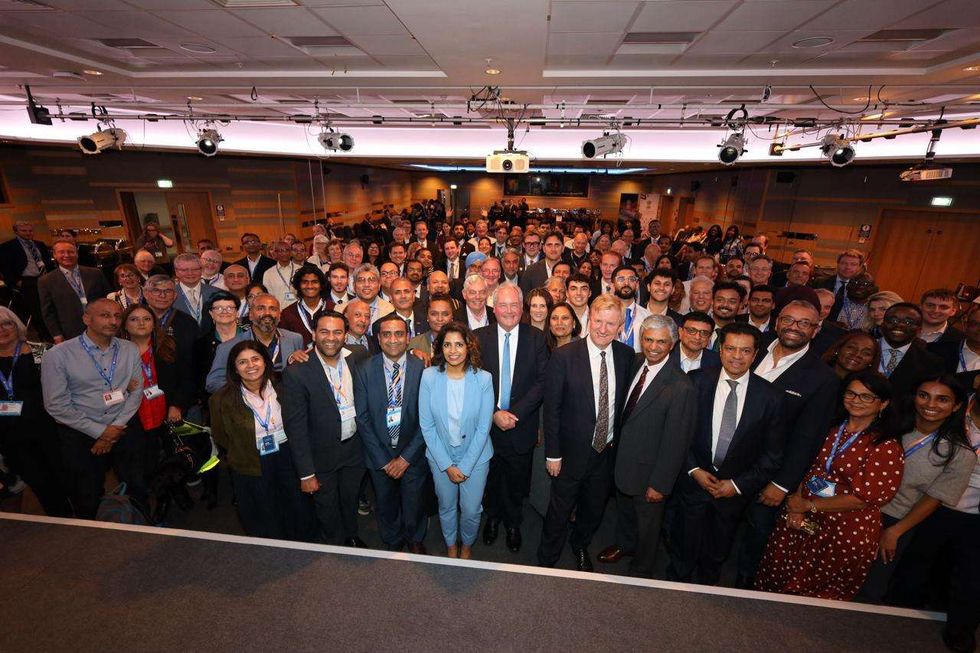 Nearly 500 attended the Conservative Friends of India event.CFIndia
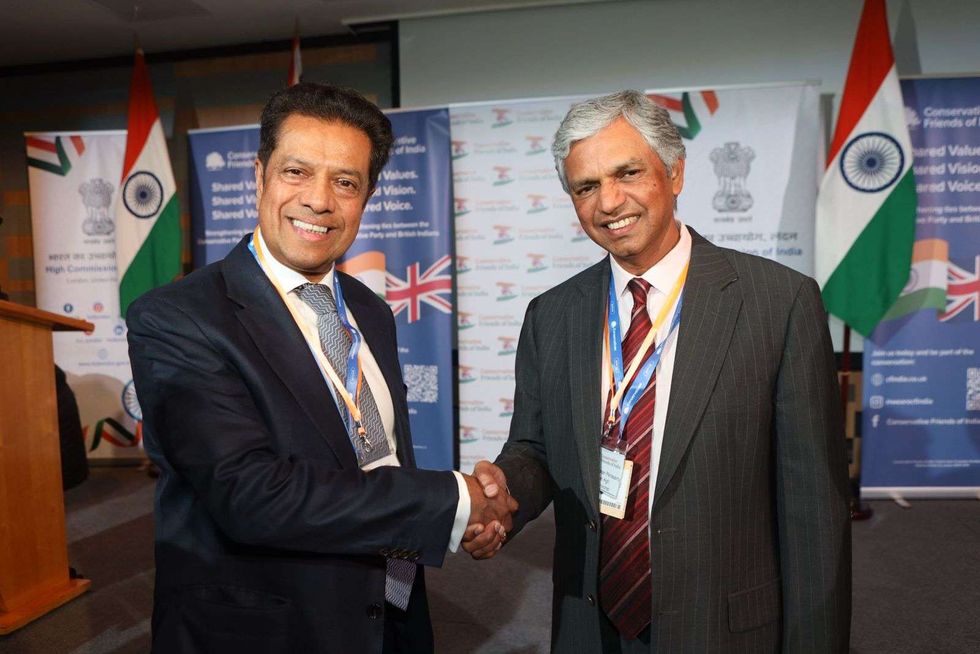 CFIndia co-chair Dr Koolesh Shah with Indian High Commissioner to the UK Kumaran PeriasamyCFIndia

