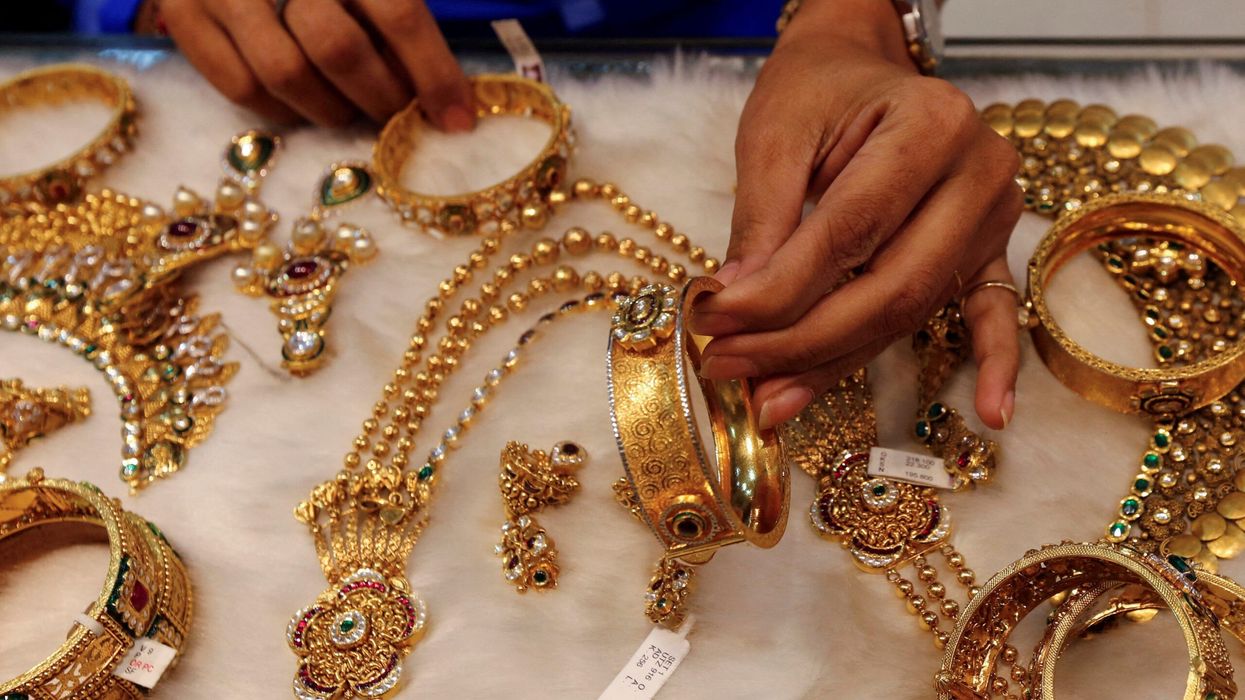

INDIA's gold industry, with the support of the World Gold Council (WGC), has established a self-regulatory organisation in a bid to increase consumer confidence and restore trust, the WGC said on Tuesday (6).
The newly-formed Indian Association for Gold Excellence and Standards (IAGES) aims to promote fair, transparent and sustainable practices in the bullion industry, along with regulatory compliance, a code of conduct, and an audit framework, said Sachin Jain, CEO of WGC's Indian operations.
India is the world's second-biggest gold consumer after China, but the industry has a trust deficit with consumers and even the government due to poor practices by a small section of the business, he said.
"The purpose of this association is to provide accreditation based on a very strict audit. After the audit, the member will earn the IAGES logo, which they can display," said Jain, without specifying details of the audit framework.
Industry bodies such as Indian Bullion and Jewellers Association (IBJA), All India Gems and Jewellery Council of India (GJC) and Gem and Jewellery Export Promotion Council (GJEPC) would be part of the IAGES, Jain said.
The WGC would take the initiative to popularise IAGES among retail consumers and would also finance the campaign, he added.
India's gold demand in the June quarter fell five per cent from a year ago, but consumption in the second half of 2024 is set to improve due to a correction in local prices following a steep reduction in import taxes, the WGC said last month.
(Reuters)