INDIA has gifted 100,000 hydroxychloroquine tablets and 50,000 surgical gloves to Bangladesh to help it combat the coronavirus pandemic.
The latter has reported 5,000 COVID-19 cases and over 100 deaths in the country so far.
India's high commissioner Riva Ganguly Das has handed over the supplies to health minister Zahid Malik on Sunday (26).
“A helping hand from our neighbour at this time of distress is most welcome,” the minister said. On March 15, India took the initiative and organised a conference of South Asian Association for Regional Cooperation leaders on the pandemic during which a SAARC emergency fund was launched. Earlier, India gifted head covers and masks for medical professionals.
“India-Bangladesh relationship is very deep. We are neighbours. In our ‘neighbourhood first' policy, we always say ‘Bangladesh first',"Das said. Along with this, India has launched an initiative to conduct online courses which could help the medical professionals, the envoy said.
All India Institute of Medical Sciences, Raipur conducted a course which was attended by many people from Bangladesh, she said, adding that another course will be conducted soon.
India has been at the forefront of sending essential medical supplies and medicines such as anti-malarial drug hydroxychloroquine to several nations including the US.
The Bangladeshi government has announced a $11.6 billion stimulus package to support its economy, with a primary focus on supporting the manufacturing and service sectors, agriculture and social safety nets.





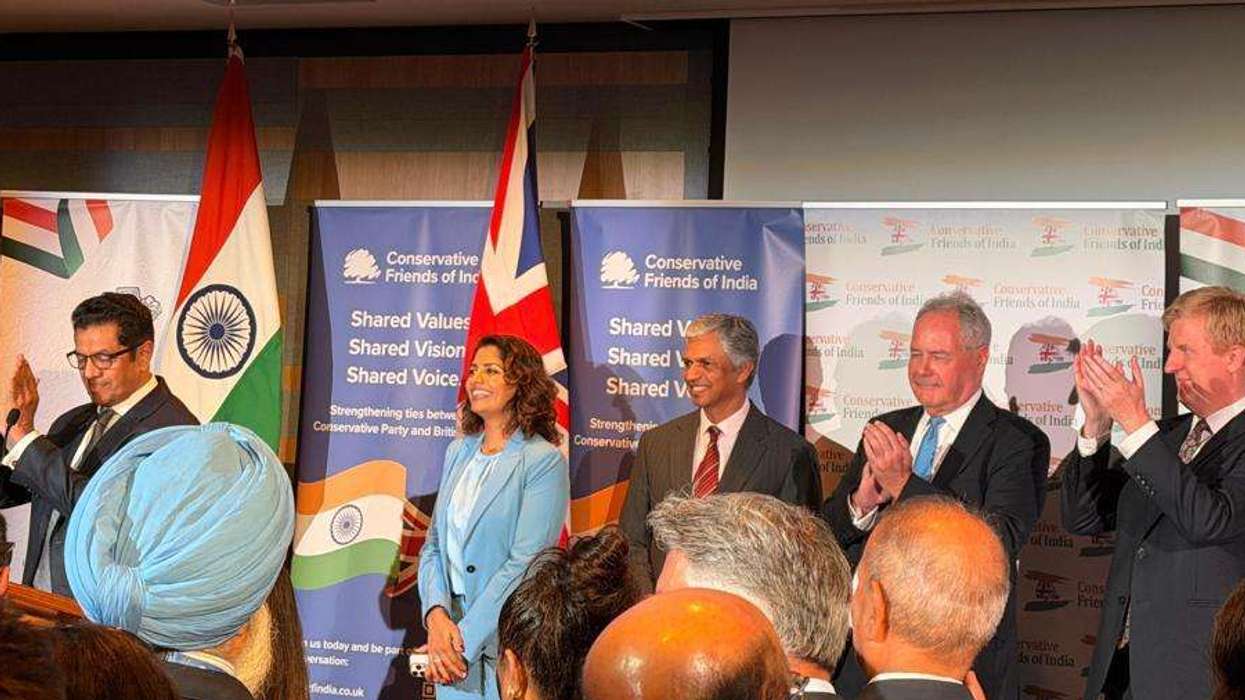
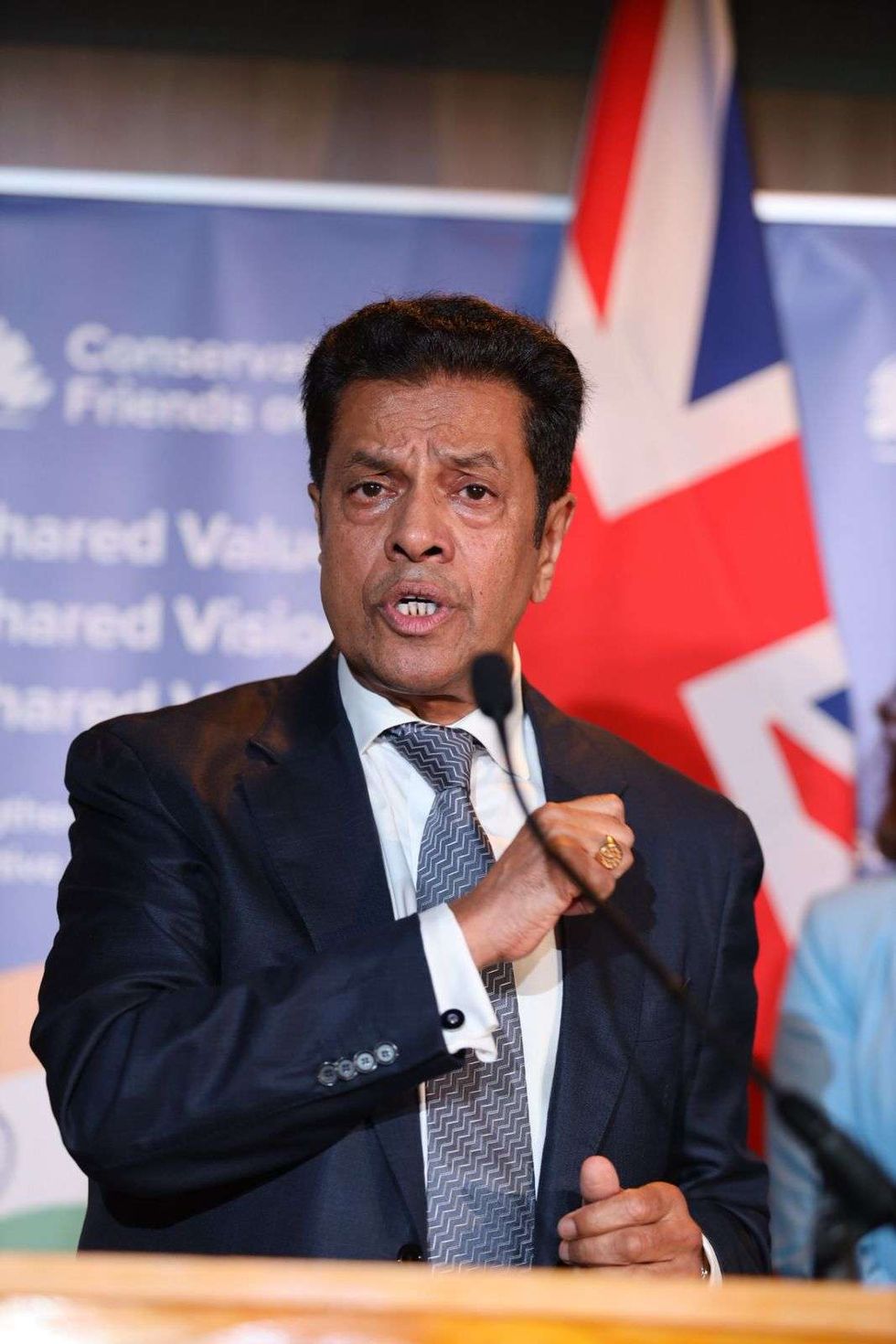 CFIndia co-chair Dr Koolesh Shah CFIndia
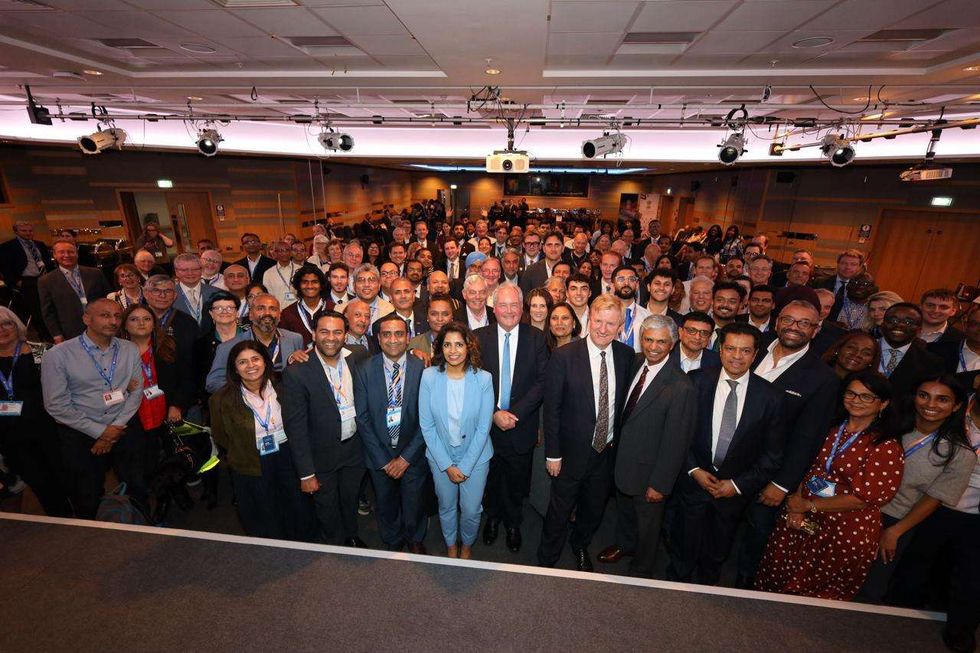 Nearly 500 attended the Conservative Friends of India event.CFIndia
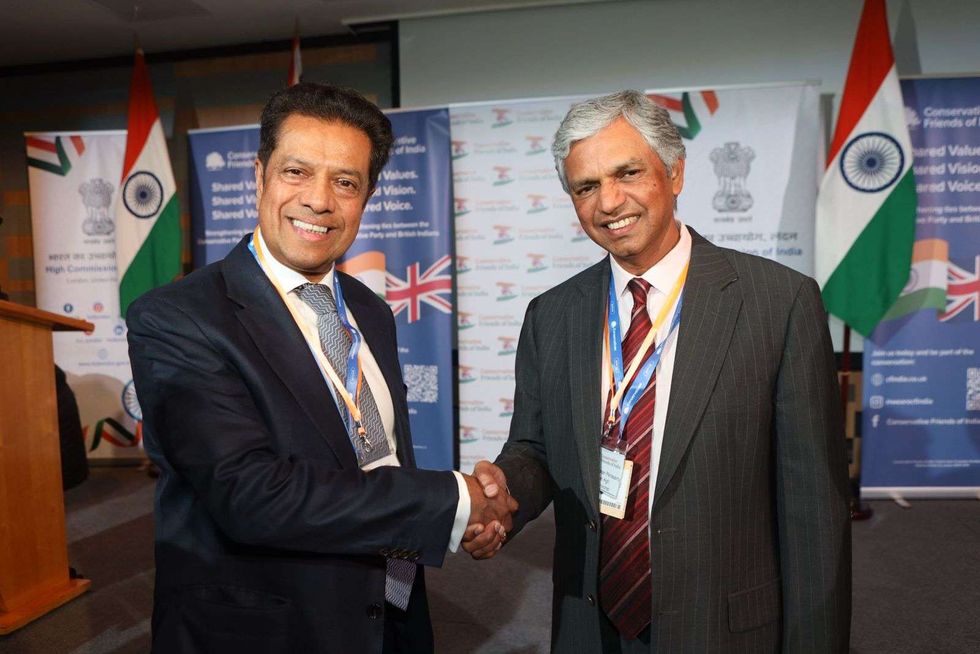 CFIndia co-chair Dr Koolesh Shah with Indian High Commissioner to the UK Kumaran PeriasamyCFIndia