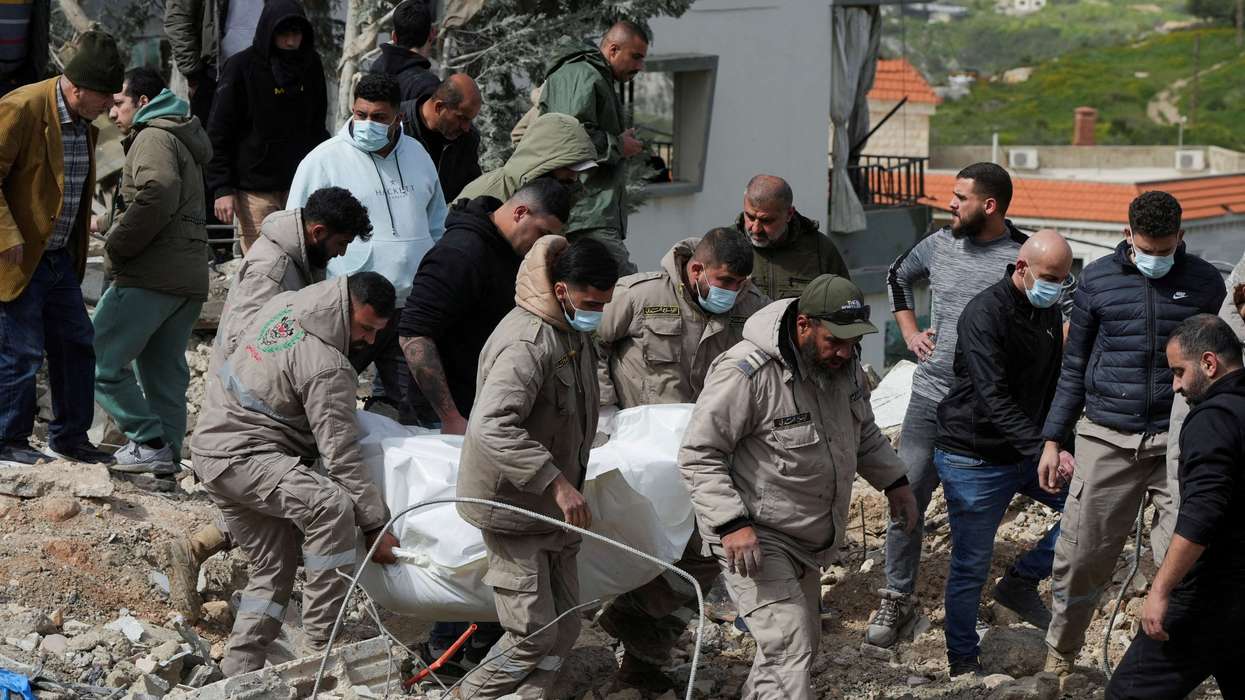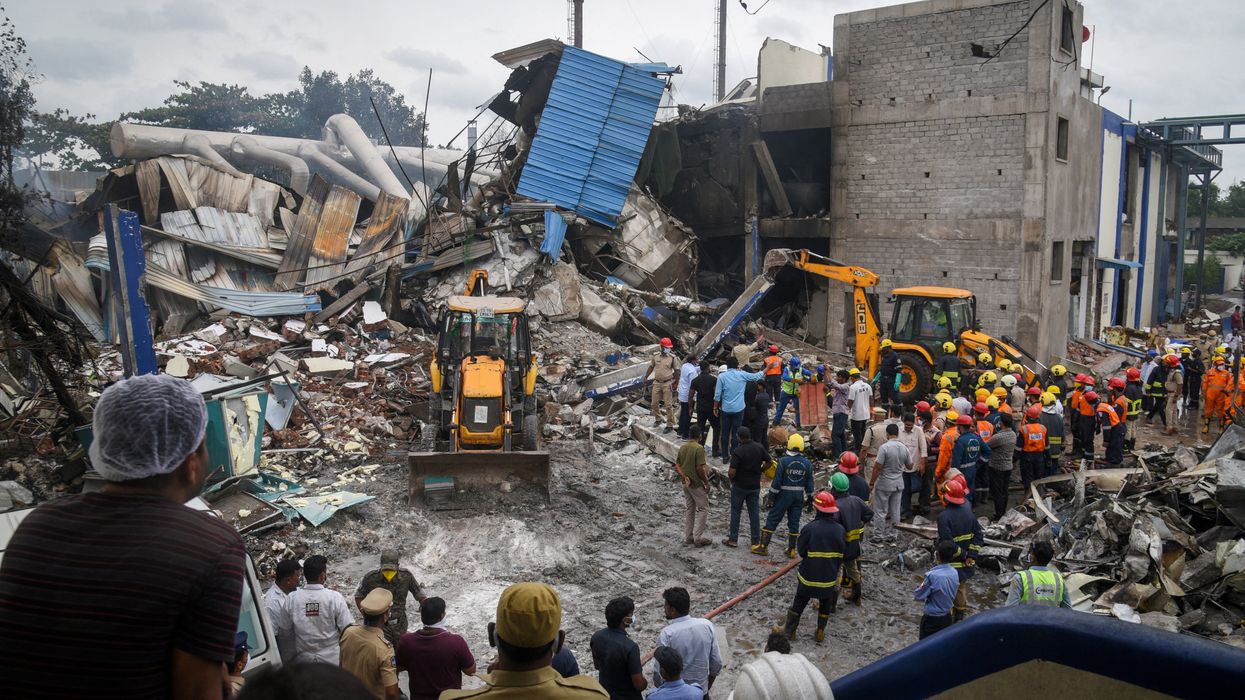

THE DEATH toll from the explosion and fire at the Sigachi Industries chemical factory in Sangareddy, Telangana, has risen to at least 39, officials said on Tuesday, as rescue teams continued clearing debris for a second day.
The explosion occurred on Monday and turned large parts of the building into rubble. State authorities confirmed the toll had risen to 39, Reuters reported. Thirty-four others were injured in the incident, according to officials.
Factory building collapsed completely, says fire official
Telangana state chief minister Revanth Reddy visited the site on Tuesday. A video released by his office showed twisted metal and wreckage at the factory site. Reddy’s office said a five-member committee had been formed to investigate the cause of the explosion. The company has not yet disclosed the cause.
GV Narayana Rao, director of the Telangana fire disaster response service, told Reuters, “We are still clearing the debris. Once we are all done with the clearing, only then we will be able to assess if any other body is still remaining under the debris or if it is all clear.” He confirmed that the building had completely collapsed.
District administrative official P Pravinya said more than 140 people were working at the factory when the incident occurred. Twenty-five of the deceased had not been identified.
Eyewitness account of blast and escape
Chandan Gound, 32, who had been working at the factory for six months, said he escaped after hearing a loud blast while outside the building.
“It sounded like a bomb blast. I came out and saw fire. A part of the fire also spread towards me. I jumped the wall and escaped,” he told Reuters. “Many of them managed to escape, but a large number were trapped and could not come out.”
Sigachi shuts plant for 90 days, stock falls 8 per cent
Sigachi Industries supplies microcrystalline cellulose (MCC) to the pharmaceutical, food, cosmetic and specialty chemical sectors, serving clients in countries including the United States and Australia. The Telangana plant contributes a little over a fourth of the company’s total production capacity of 21,700 million metric tons per annum.
In a statement, Sigachi said, “The incident has unfortunately resulted in the loss of human life.” The company said the plant had been shut for 90 days from Monday due to damage to equipment and structures. The facility is fully insured and claims are being initiated.
Shares of Sigachi dropped about 8 per cent on Tuesday and were on track for their sharpest two-day fall on record.
India’s industrial safety record under scrutiny
Industrial accidents are frequent in India, with experts citing poor planning and weak enforcement of safety regulations.
In a separate incident on Tuesday, five people died and four others were injured in a fire at a fireworks factory in the Sivakasi manufacturing cluster in Tamil Nadu, a fire department official said.
(With inputs from agencies)