Skip to content
Search

Latest Stories

Submit Guest Post

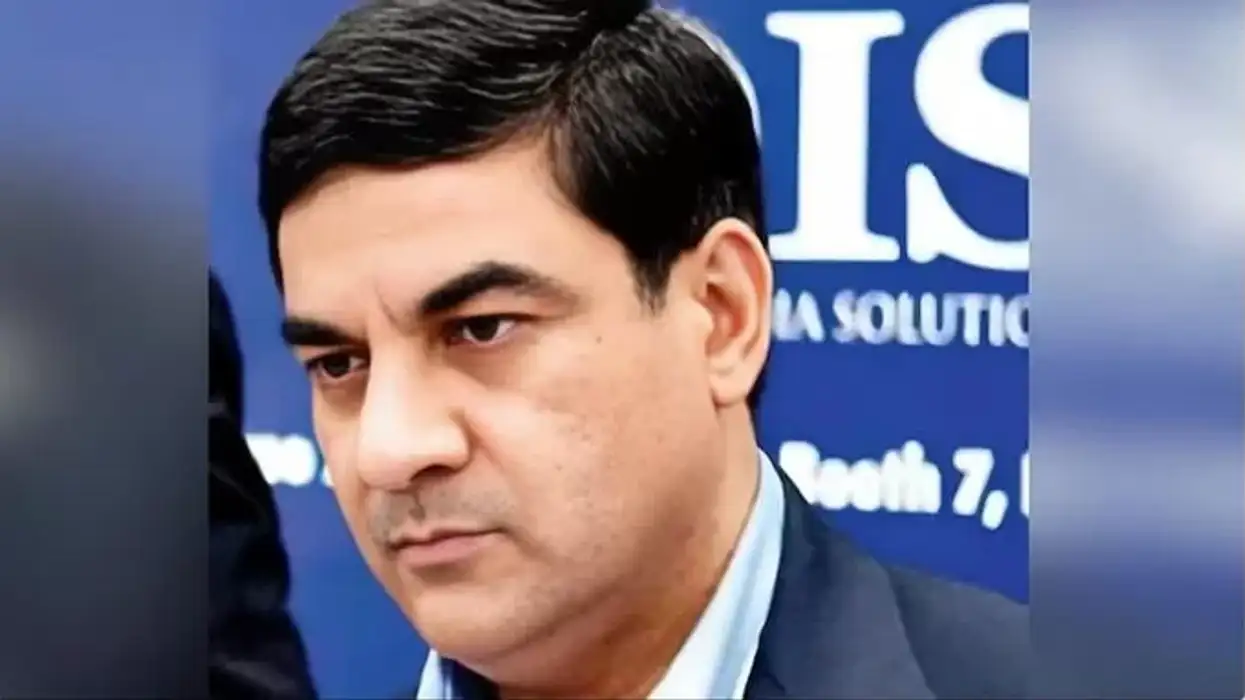
India central bank deputy governor Viral Acharya quits: Sources

Reserve Bank of India (RBI) deputy governor Viral Acharya, who was in-charge of the monetary policy department, has resigned six months before the scheduled end of his term, sources said today (24).

This is the second high profile resignation in the past six months at the RBI.


In December, governor Urjit Patel resigned nearly nine months before the end of his scheduled term over differences with the government.

Acharya had joined the central bank on January 23 last year after Patel was elevated to the post of governor in September 2016.

The RBI is now left with three deputy governors N S Vishwanathan, BP Kanungo, and M K Jain.

Acharya, a New York University economics professor who once called himself the 'poor man's Raghuram Rajan', was appointed for three years.

He took over at a time when the central bank was facing criticism for repeated changes in the rules related to deposit and withdrawal of money, post-demonetisation.

(PTI)

Add EasternEye As Your Trusted Source
preferred source on google news

More For You

IMF

The IMF has warned that dwindling oil reserves and limited government finances could leave the global economy exposed to further shocks

REUTERS

IMF warns global economy could hit its limits as oil reserves dwindle

  • The IMF forecasts global economic growth of 3.1 per cent in 2026, up from its previous estimate of 3 per cent.
  • Global inflation is expected to reach 4.7 per cent this year before easing to 4.1 per cent in 2027.
  • The Fund warns that higher energy prices and interest rates could slow UK growth to 1.2 per cent next year.

The global economy could soon struggle to withstand another major shock as emergency oil stocks dwindle and governments face mounting financial pressures, the International Monetary Fund (IMF) has warned.

In its latest World Economic Outlook, published on Tuesday (13), the Fund said the global economy had proved more resilient than expected during the Middle East conflict over the past six months. However, it cautioned that the measures used to cushion the impact of the US-Iran war were becoming harder to sustain.

Keep ReadingShow less