
Highlights
- Moves away from the adventure tone of The Mummy (1999) into possession-led horror
- Shifts the setting from desert tombs to a family home in Albuquerque
- Focuses on parental fear and a “returned” child rather than treasure hunting
- Relies on body horror, sound design and shock value over spectacle
- Critics call it bold and unsettling, but uneven in storytelling
From desert spectacle to domestic dread
For decades, The Mummy has been tied to adventure, romance and spectacle, most famously in The Mummy (1999). That version thrived on sweeping desert landscapes, archaeological intrigue and a sense of escapism.
Lee Cronin takes a sharply different route. His reworking strips away the sense of adventure and relocates the horror into the home. The story still begins in Egypt, anchored by an ancient sarcophagus, but quickly shifts to the United States, where the real tension unfolds inside a family house.
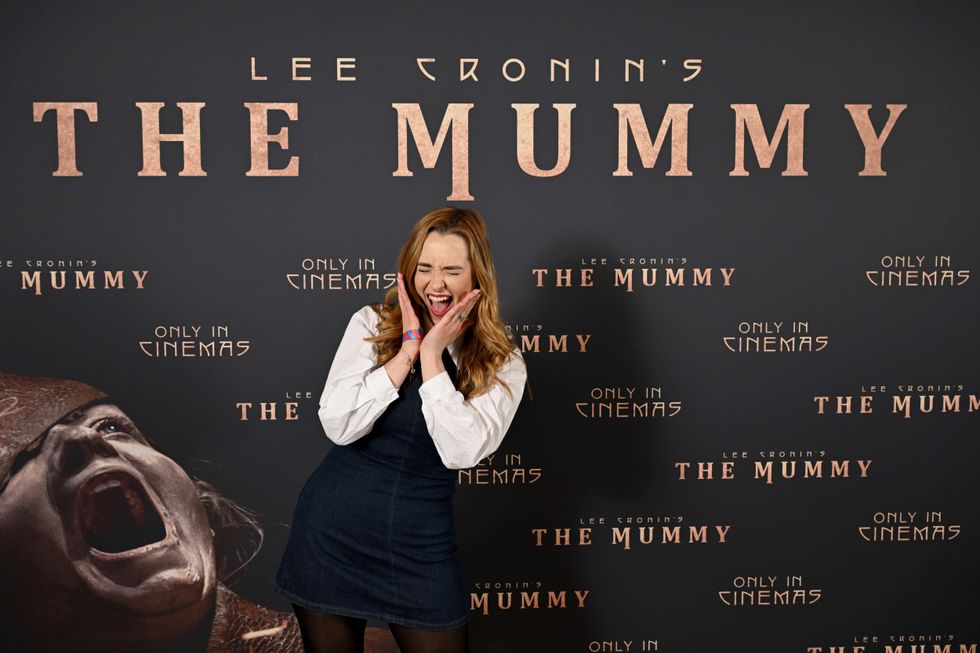 Alice Johnson attends a special screening of Lee Cronin's "The Mummy"Getty Images
The change in setting is more than geographical. It alters the entire tone. Instead of discovery and spectacle, the film is built on confinement, unease and the breakdown of domestic safety.
A different kind of monster
Earlier versions treated the mummy as a visible, external threat. Here, the horror is more intimate.
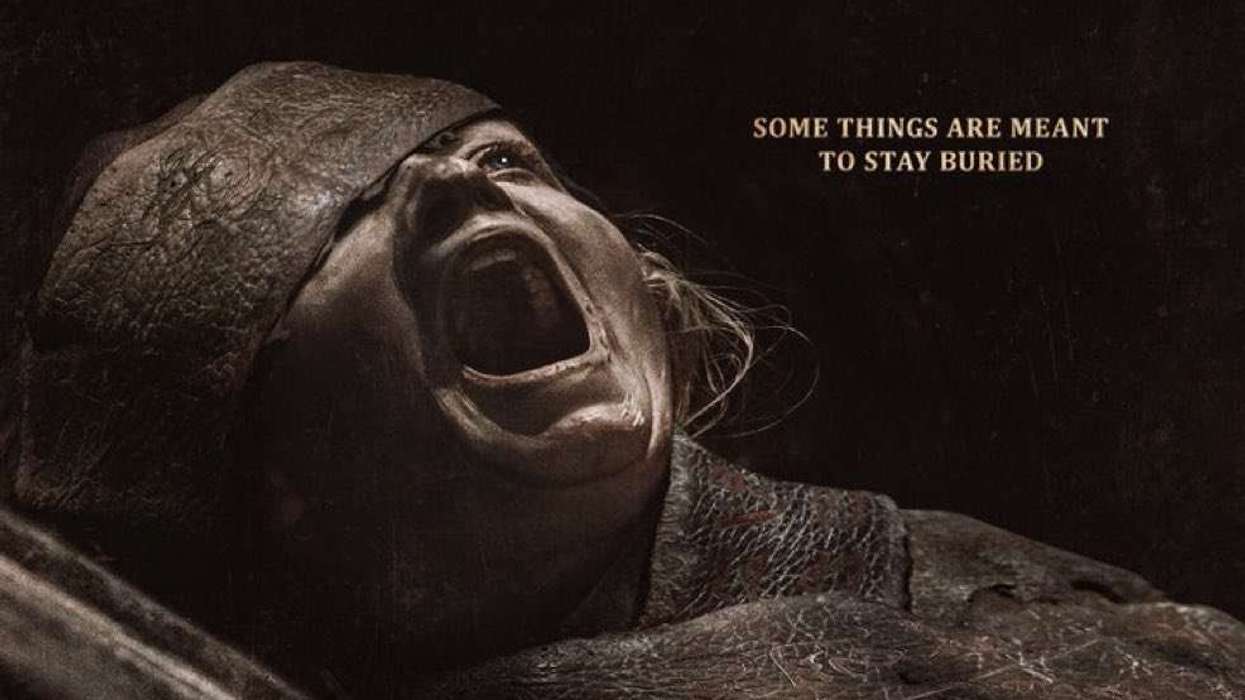
The story centres on a young girl who disappears in Egypt and is found years later, returned to her family in Albuquerque. What comes back, however, is not quite the same child. Her presence introduces a slow, escalating dread, turning the household into a site of fear.
This approach draws the film closer to possession horror than mythological fantasy. The threat is not chasing the characters across landscapes. It is already inside their home, and within their family.
Setting as a source of fear
Cronin uses the domestic setting to heighten tension. Narrow interiors, crawl spaces and ordinary rooms become sites of disturbance.
Even when the film briefly returns to Egypt, the focus is less on grandeur and more on unease. The sarcophagus is not a relic to be explored but an object to be feared, tied to a destructive force that follows the characters across borders.
The shift from open desert to enclosed domestic space reinforces the film’s central idea: that horror is most effective when it invades the familiar.
What the reviews say
Critical response has been divided but engaged.
Many reviewers praise the film’s commitment to intensity. Its use of sound, visual texture and physical performance creates a sustained sense of discomfort. The central performance of the returned daughter is often highlighted as the film’s most unsettling element.
At the same time, the narrative has drawn criticism. The story is seen as uneven, with multiple strands that do not always connect smoothly. The film often prioritises shock and spectacle over clarity.
There is also a recurring point about excess. The heavy use of body horror and graphic imagery has impressed some viewers while alienating others.
A reinvention that rejects nostalgia
This version of The Mummy makes little attempt to echo its predecessors. It abandons humour, romance and adventure in favour of dread and emotional strain.
For audiences expecting a return to the tone of earlier films, the shift may feel jarring. For others, it offers a more radical reinterpretation of a familiar myth.
What remains consistent is the core idea of an ancient force resurfacing. What changes is how that force is experienced, not as spectacle in the distance, but as something immediate, invasive and impossible to escape.