
Highlights
- Britain places 55th out of 61 countries for being nature-connected
- Nepal ranks No.1; Bangladesh comes in 4th
- Higher spirituality linked with stronger nature connection
- Urbanisation, income and screen time associated with weaker bonds with nature
Britain’s disconnect from nature laid bare
Britain is among the world’s least nature-connected countries, ranking 55th out of 61 nations in a landmark global study. Nepal topped the list, while Bangladesh also ranked highly at fourth place, highlighting Asia’s strong showing in emotional and cultural ties to nature.
Published in Ambio, the research surveyed around 57,000 people to understand how social, cultural and economic influences shape people’s closeness to the natural world.
Iran and South Africa followed Nepal at the top. Only the Netherlands, Canada, Germany, Israel, Japan and Spain scored lower than Britain, with Spain ranking last.
Spiritual roots, not just outdoor habits
The study, led by Prof Miles Richardson of the University of Derby, found that societies with stronger spiritual values tend to feel more nature-connected. In contrast, nations prioritising business ease, higher income levels and heavy internet use scored lower.
“Being nature-connected is about how we feel, think and value our place in the living world,” Richardson said. “We’ve become more rational and economic as a society now we need to balance that.”
Why Britain sits so low
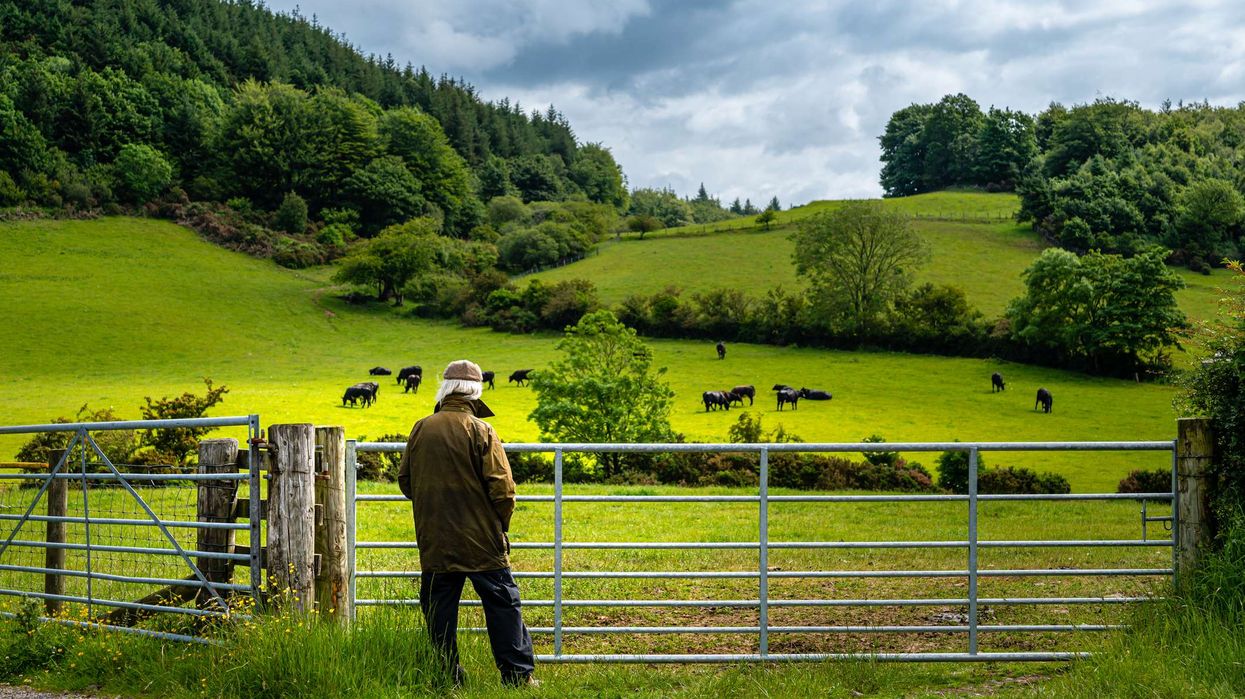
Despite high membership of environmental groups, Britain’s lifestyle patterns urban living, technology dependence, and fast-paced routines appear to weaken personal bonds with nature.
Richardson argued that simply creating parks won’t fix the issue: “It needs to go deeper nature must become integral to our wellbeing, respected and almost sacred.”
Rebuilding a relationship with nature
The study suggests nature-based NHS programmes, legal rights for nature, and embedding biodiversity requirements in business decisions as ways to strengthen nature connection.
Bishop of Norwich Graham Usher said time in nature nurtures “body, mind and soul”, calling outdoor learning vital for children.
A warning for modern economies
The findings point to a larger pattern: more urbanised, technologically driven societies risk becoming less nature-connected. Researchers say the challenge now is ensuring economic growth doesn’t push the natural world further to the margins.
As Richardson put it, nature must be treated not as a resource, but “as a stakeholder”.