
Highlights:
- Ganesh Chaturthi 2026 begins on 14 September and runs for ten days, ending with Anant Chaturdashi on 23 September.
- The festival's closing ritual, immersing a clay idol of Lord Ganesha in water, is restricted in UK rivers and lakes under the Environmental Protection Act 1990 and the Water Resources Act 1991.
- British Hindu communities have spent two decades building workarounds, from Environment Agency-permitted river sites to eco-friendly idols designed to dissolve safely at home.
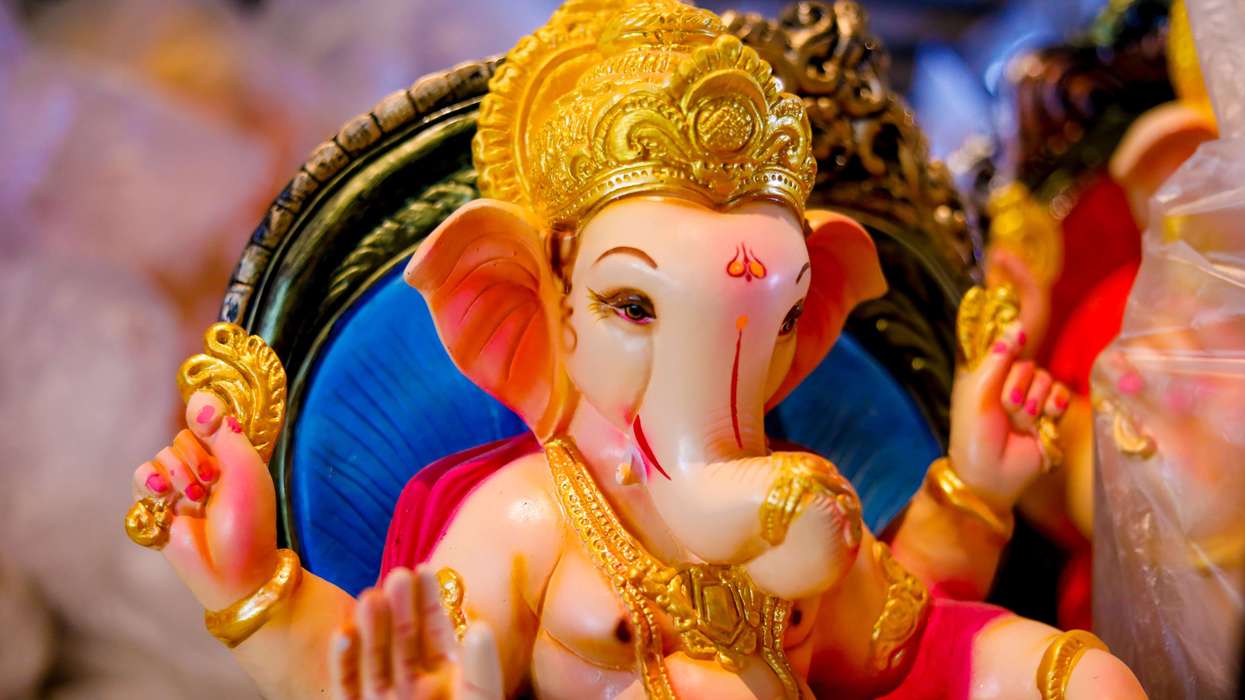
Every Ganesh Chaturthi ends the same way. Ten days after Lord Ganesha's clay idol is welcomed into a home or temple, it's carried out in procession and lowered into water, so that he can begin his journey back. In Maharashtra, that means the Arabian Sea. In Britain, it means the Thames isn't legally yours to use that way, and the diaspora has been quietly solving that exact problem for twenty years.
Why can't you just do it in the river?
Because British law doesn't make an exception for it. The Environmental Protection Act 1990 and the Water Resources Act 1991 both restrict depositing solid material into protected waterways, and that applies to clay idols and religious offerings just as much as anything else, regardless of intent. The Thames, in particular, is treated as a protected waterway, meaning any activity that could affect water quality or wildlife needs formal authorisation from the Environment Agency and, in London specifically, the Port of London Authority as well.
That's not a small bureaucratic footnote. It means the single most important ritual moment of a ten-day festival can't simply happen the way it always has back home.
So what actually happens instead?
A genuine mix of solutions, built up gradually rather than handed down as one official answer. Some communities have secured formal permission for organised immersions at specific spots, Putney and Richmond among them, where councils, the Environment Agency and local Hindu organisations coordinate in advance. Slough runs its own version at the Jubilee River, where the first officially sanctioned immersion took place in 2022, drawing more than 100 families in its opening two days after years of people either skipping the ritual entirely or making do with a bucket at home.
For most families, the more practical answer has been to change the idol itself rather than fight the river. Clay and other genuinely biodegradable materials have become the standard for UK-bought murtis, replacing the plaster of Paris versions common in India, meaning a family can perform visarjan safely in a garden pond, a paddling pool, or even a bathtub, and know the material will actually break down rather than sit at the bottom as waste.
| Ganesh Chaturthi 2026 in the UK | |
|---|---|
| Festival begins | 14 September |
| Ends (Anant Chaturdashi / visarjan) | 23 September |
| Duration | 10 days |
| UK public holiday status | Not a public holiday; banks and businesses open as normal |
| Permitted river immersion sites | Putney and Richmond (London), Jubilee River (Slough), by prior arrangement |
| Common home alternative | Eco-friendly clay idols, dissolved in a bucket, paddling pool or bathtub |
Has London always celebrated it this way?
Not for long, in the scheme of things. The first organised Ganesh Chaturthi celebration in London took place in 2005, hosted by the Hindu Culture and Heritage Society at the Vishwa Hindu Temple in Southall, with the idol immersed at Putney Pier. Two decades on, celebrations now draw thousands across London, Leicester, Birmingham and Manchester, with an estimated 10,000 people gathering for festivities at Dollis Hill in some recent years. What started as one community organising a single immersion has grown into a genuinely national, and now genuinely legal, tradition.
What does this actually say about the festival itself?
That adapting to a new country hasn't meant losing the meaning of the ritual, it's meant rebuilding the practical side of it from scratch. Ganesha is traditionally invoked at the start of anything new, a business, a wedding, an academic year, in much the same way British Hindu communities have marked other major dates on the calendar, from Diwali street lighting switch-ons to how this year's Independence Day landed against the backdrop of the new UK-India trade deal. There's something fitting about a diaspora spending two decades working out, piece by piece, exactly how to keep a ritual alive somewhere it was never originally built to exist.
Quick answers
- Is Ganesh Chaturthi a public holiday in the UK?
No. It isn't a recognised public holiday, so banks, schools and most workplaces operate as normal throughout the festival.
- Can you legally immerse a Ganesh idol in the River Thames?
Only with prior authorisation. The Thames is a protected waterway under the Environmental Protection Act 1990 and the Water Resources Act 1991, so organised immersions need sign-off from the Environment Agency and, in London, the Port of London Authority.
- What's the safest way to do visarjan at home in the UK?
Use a genuinely biodegradable clay idol rather than a plaster of Paris one, and immerse it in a garden pond, paddling pool or bathtub, disposing of the dissolved clay responsibly afterwards.