
SEVEN projects have received a share of £100,000 funding as part of government’s commitment to tackle health inequalities and promote living kidney donation among black, Asian and minority ethnic communities.
The Living Kidney Transplant Scheme has been launched as part of NHS Blood and Transplant’s ongoing commitment to address the shortage of organs, particularly kidneys, for those from BAME backgrounds who are awaiting for a transplant, also addressing health inequalities in the wider population.
The Living Kidney Transplant Scheme is an extension of the Community Investment Scheme, which has been run by NHS Blood and Transplant over the last four years. The scheme has shown that enabling grassroots organisations to champion organ donation in a culturally relevant way increases awareness and engagement, while helping to move towards greater health equity for all.
Also Read | 'Tories have a problem with Asians'
For many patients in need of a transplant the best match will come from a donor of the same ethnic background. In the UK there are currently 5,903 people waiting for an organ transplant. Of these there are 4,676 people on the waiting list for a kidney transplant and 1,554 of those waiting are from Black, Asian and minority ethnic communities.
Black, Asian and minority ethnic patients often have to wait significantly longer for a successful match than white patients due to a shortage of suitably matched donors. Kidney donors and recipients are matched by blood group and tissue type, which means people from the same ethnic background are more likely to have matching blood groups and tissue types.
The Living Kidney Transplant Scheme aims to address the barriers faced within these communities and provide more people with information around living kidney donation, with the aim to save more lives.
Health secretary Sajid Javid said: “Choosing to donate a kidney is an incredibly personal decision, but it is vital all communities talk openly about the importance of this life-saving choice.
“With over 1,500 people from ethnic minority backgrounds on the waiting list, we need more people from these communities to consider becoming living organ donors.
“This funding will help community organisations to start more conversations and save more lives”.
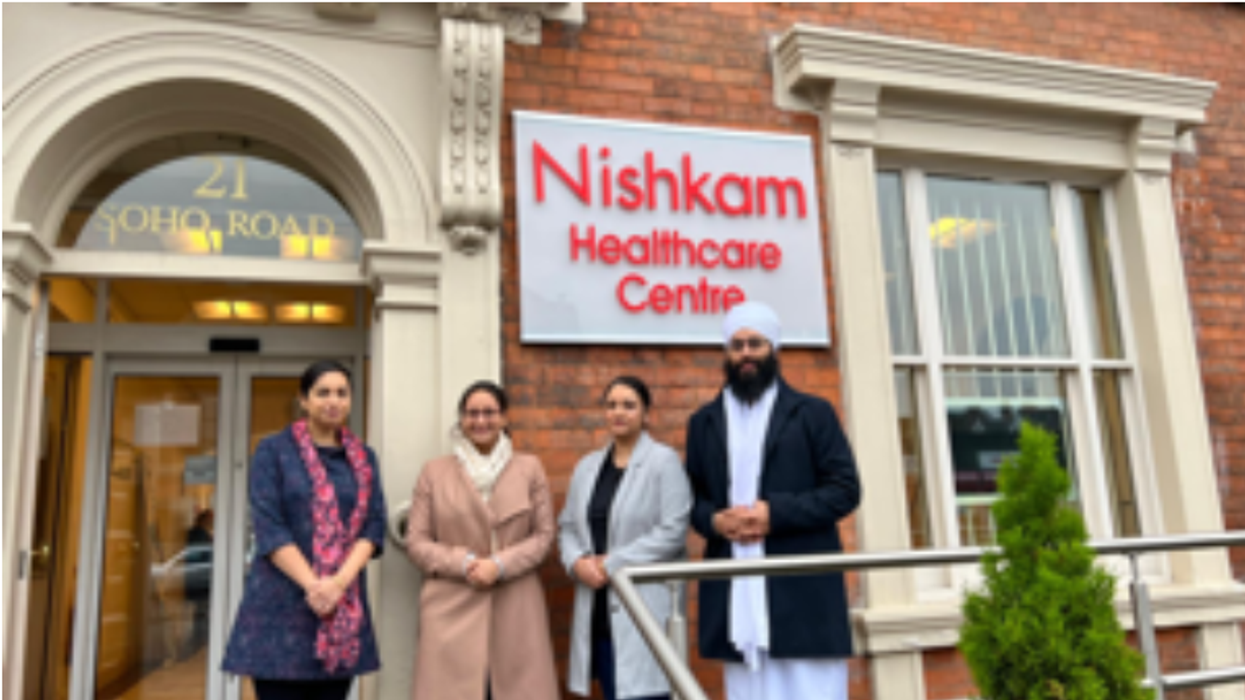
One of the seven projects that have been selected to increase awareness of living donation is Nishkam Healthcare Trust. The project hopes to hold three events to raise awareness of living donation, create and distribute digital and printed materials around donation and finally create an accompanying social media campaign.