

THE Daily Telegraph has been giving excessive amounts of space to Nigel Farage, but the leader of the Reform party has now embarrassed the paper by saying the west is to blame for the Russian invasion of Ukraine.
Vladimir Putin agrees completely with Farage but the opinion of the Telegraph is that Ukraine is the victim of unprovoked aggression by the Russians.
Boris Johnson lashed out at Farage and dismissed his argument as “nauseating ahistorical drivel and more Kremlin propaganda”.
“Nobody provoked Putin,” Boris wrote on social media. “Nobody ‘poked the bear with a stick’. The people of Ukraine voted overwhelmingly in 1991 to be a sovereign and independent country. They were perfectly entitled to seek both NATO and EU membership.”
And he added: “There is only one person responsible for Russian aggression against Ukraine – both in 2014 and 2022 – and that is Putin. To try to spread the blame is morally repugnant and parroting Putin’s lies.”
Farage reckons he helped Boris win the 2019 general election with an 80-seat majority by standing down Brexit party candidates. But this time, Farage is threatening the Tories by putting up Reform candidates, many of whom espouse near-fascist views. With his pro-Putin nonsense, he has probably shot himself in the foot. Will Reform get any seats?
Meanwhile, Rishi Sunak’s campaign has been undermined by the betting scandal. It has deflected attention from what a Labour government would mean for British Asians.
Sir Keir Starmer seems determined to stop Asian parents from sending their children to private schools. Meanwhile, Rishi has been able to stabilise the economy and bring inflation down to two per cent.
The underlying problems of the economy remain the same, whichever party wins the election. Over nine million people aged between 16 and 64 in the UK are not in work nor looking for a job.
How will the skills shortage be met without immigration? And how will any government deal with an ageing population?
Labour is demanding “change” and promises to fix “broken Britain”. But it is very difficult to improve productivity if people – for whatever reason – choose not to work.
If Starmer wins, people will quickly become disillusioned with Labour because the culture of politics has become toxic. A quick fix was promised with Brexit, but so far, leaving the European Union has worsened the UK’s economic woes. It would help if the new government gives priority to finalising the Free Trade Agreement with India.
Farage’s seemingly fatal error does give the Conservatives a chance – at least of stopping a Labour “supermajority”.


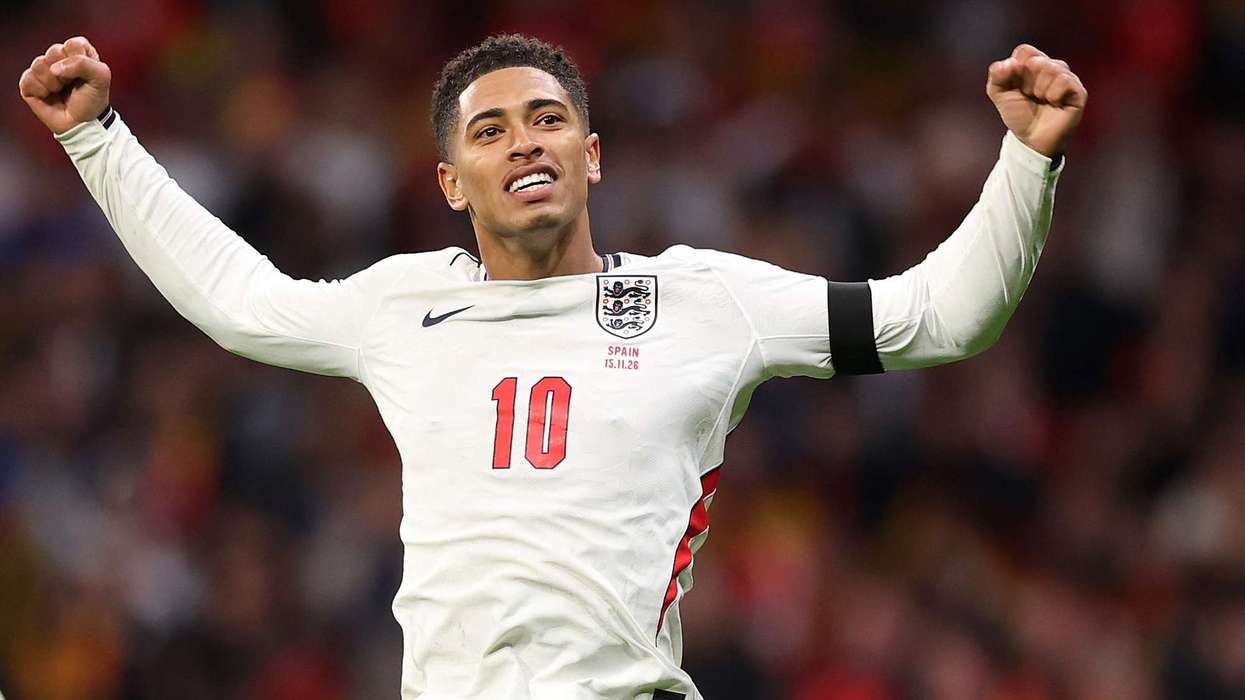
 MADRID, SPAIN - NOVEMBER 15: Ezri Konsa of England celebrates scoring his team’s second goal during the UEFA Nations League 2026/27 group phase match between Spain and England at Riyadh Air Metropolitano on November 15, 2026 in Madrid, Spain. (Photo by Carl Recine/Getty Images)



