Skip to content
Search

Latest Stories

Submit Guest Post

Families to receive higher payments after benefit changes

The two-child benefit cap has been scrapped, allowing about 480,000 families with three or more children to receive an average rise of £4,100 a year.

UK

Bridget Phillipson, Secretary of State for Education and Minister for Women and Equalities, speaks with a mother and her children as she visits the Great North Museum on April 06, 2026 in Newcastle upon Tyne.

Getty Images

BENEFITS and the state pension have increased at the start of the new financial year, with changes also affecting universal credit and other payments.

The two-child benefit cap has been scrapped, allowing about 480,000 families with three or more children to receive an average rise of £4,100 a year.


For the past nine years, parents could claim universal credit or tax credits only for their first two children, a policy estimated to have saved the Treasury about £3.6bn a year.

Tracey Morris, a single mother of five from Huddersfield, told the BBC the increase would help with rising costs. She works full-time for the local council and also takes extra shifts at a pub. “I've always had to be careful what I spend and how I spend it. The cost of living got so high, it's a struggle,” she said. “It's so draining. I'm exhausted worrying about money all the time. As a mum, sometimes you feel like you're failing, but I'm not failing, it's just the situation, unfortunately, that we are in.”

She will receive just under £300 extra each month for each of three children. Payments will rise automatically from May.

The basic allowance for universal credit will increase, giving about three million families an average of £120 more this year. The health element for new claimants will be halved, while existing claimants are protected.

Other benefits, including disability payments and carer’s allowance, have risen by 3.8%. The state pension has increased by 4.8%, with the full new rate at £241.30 a week and the basic rate at £184.90.

Income tax thresholds remain frozen until 2031.

Add EasternEye As Your Trusted Source
preferred source on google news

More For You

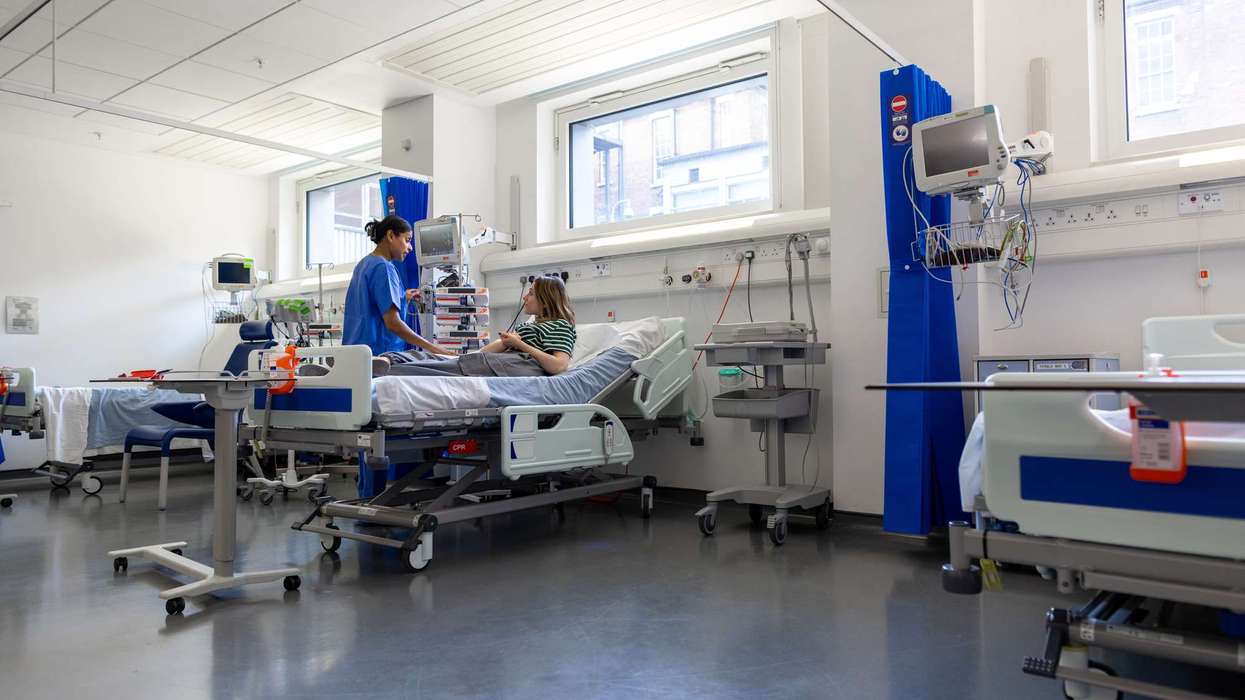
Migrants pay 60% more into NHS than their healthcare costs, analysis finds

The Immigration Health Surcharge is a fee that most people applying for eligible UK visas must pay as part of their immigration application. It is intended to contribute towards the cost of healthcare during their stay in the country.

Migrants pay 60% more into NHS than their healthcare costs, analysis finds

Highlights:

  • Migrants paying the IHS contributed at least 60% more to NHS finances than their estimated healthcare costs in 2023/24, including standard tax contributions.
  • The annual surcharge has risen from £200 to £1,035 for most visa applicants.
  • IHS revenue peaked at almost £2.5 billion in 2024/25.
  • The surcharge now accounts for more than 1 per cent of the NHS budget.
  • Revenue fell to £2.3 billion in 2025/26 as immigration numbers declined.
  • Around one-fifth of the NHS workforce comes from overseas, according to the Nuffield Trust fellow quoted in the report.

  • Migrants who pay to live and work in the UK are contributing substantially more to NHS finances than the estimated cost of the healthcare they receive, according to new analysis by the Nuffield Trust. The findings have reignited debate over immigration, healthcare funding and the purpose of the Immigration Health Surcharge (IHS).

    Keep ReadingShow less