
- New homes are reportedly being fitted with chimneys despite having no fireplaces.
- Builders say the requirement can add around £1,200 to the cost of each property.
- Industry groups warn design demands are making affordable housing harder to deliver.
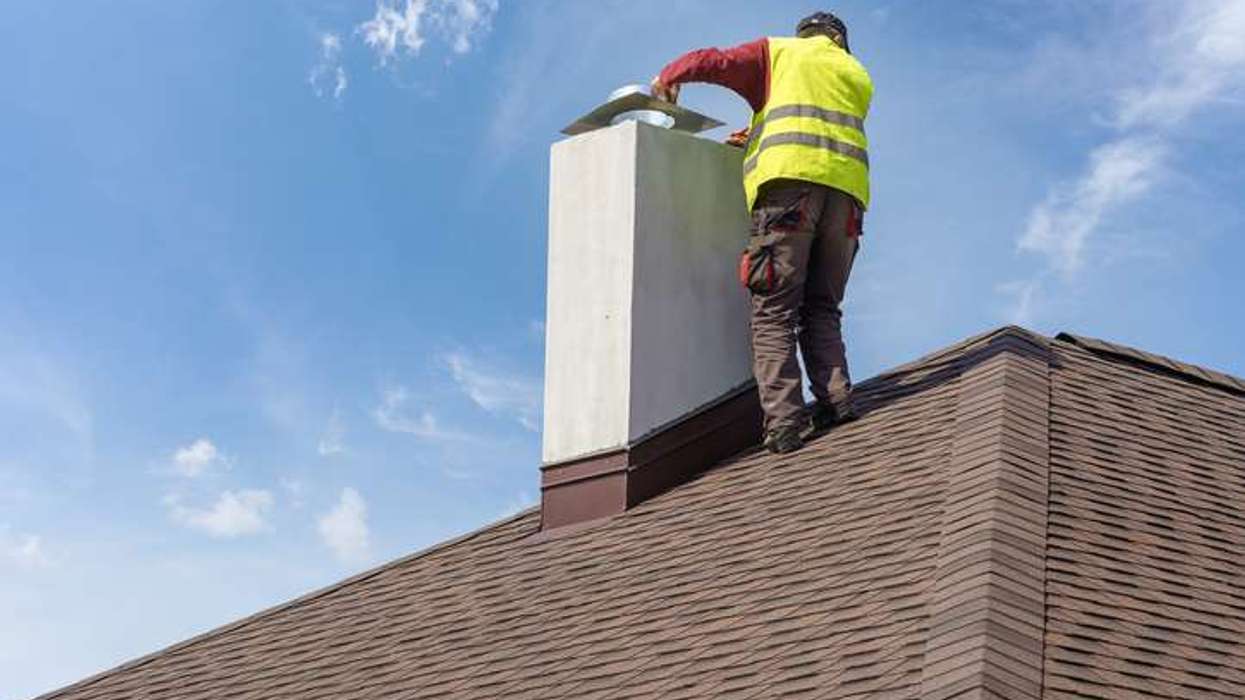
Housebuilders across parts of England are reportedly being required to install fake chimneys on new homes, adding thousands of pounds to development costs at a time when the housing sector is already grappling with rising expenses and tougher regulations.
The issue has emerged as a new point of tension in the wider debate over UK housing costs and planning rules. Several councils, particularly in the South East, are said to be asking developers to include decorative chimneys on properties that do not have fireplaces, including homes fitted with modern heat pumps.
Industry figures estimate that installing a non-functional chimney, often made from glass-reinforced plastic, can add around £1,200 to the construction cost of a single home. One major housebuilder reportedly said it spent about £500,000 installing hundreds of decorative chimneys over the past year alone.
A battle between tradition and affordability
Councils including Wealden and Mid Sussex have been cited by developers as authorities where chimney requirements have appeared in planning discussions. Similar requests have also reportedly been made in parts of Essex, including Uttlesford and Braintree.
Developers argue the requirements make little practical sense as the housing sector moves towards low-carbon technologies such as heat pumps. A senior source at a major housebuilder reportedly described the situation as "absolutely mad", arguing that money spent on decorative features could be directed towards other local priorities instead.
According to Catherine Williams, planning director at the Home Builders Federation, the issue is not limited to a handful of councils. As quoted in a news report, she said such requirements are "quite widespread", particularly among rural and suburban planning authorities.
Williams suggested some planning officers may not fully appreciate the cost impact of design preferences. In some cases, developers are reportedly being asked to build real brick chimneys, which are more expensive than decorative alternatives, despite the fact that modern homes rarely include open fires.
The debate extends beyond chimneys. Builders say planning authorities often request premium design features such as aluminium window frames instead of uPVC, or natural slate roofs rather than cheaper artificial alternatives.
While each requirement may appear modest on its own, industry representatives argue the cumulative effect can be significant. Williams reportedly said that once costs rise beyond a certain point, housing developments become less financially viable, with affordable housing provision often becoming one of the first casualties.
The concerns come against a backdrop of mounting pressure on the housebuilding sector. Analysis by the Home Builders Federation suggests the cost of constructing an average home has risen by around £76,000 over the past five years. The increase includes approximately £37,000 in higher material costs, £23,000 linked to new regulations and a further £7,000 associated with additional taxes and levies, including the forthcoming building safety levy.
The rising costs are emerging at a difficult moment for the housing market. New home completions fell to their lowest level in a decade last year despite Prime Minister Sir Keir Starmer's pledge to deliver 1.5 million homes during the current Parliament.
Councils defend local identity
Local authorities have pushed back against suggestions that chimneys are being imposed indiscriminately.
A spokesperson for Wealden District Council reportedly said the authority does not operate a blanket policy requiring chimneys. Instead, planning decisions are intended to ensure developments reflect the character of their surroundings.
The council argued that chimneys form part of the architectural identity of many local communities and contribute to a building's proportions, skyline and sense of place. Officials also said residents frequently express concerns about the scale of new development and expect new housing to complement existing neighbourhoods rather than resemble generic housing estates.
Braintree District Council similarly said design features such as chimneys are requested only where appropriate to ensure developments meet local design standards.
As councils seek to preserve local character and builders focus on keeping homes affordable, decorative chimneys have become an unlikely symbol of a much larger question facing the housing sector: how much should appearance cost when Britain is trying to build more homes?