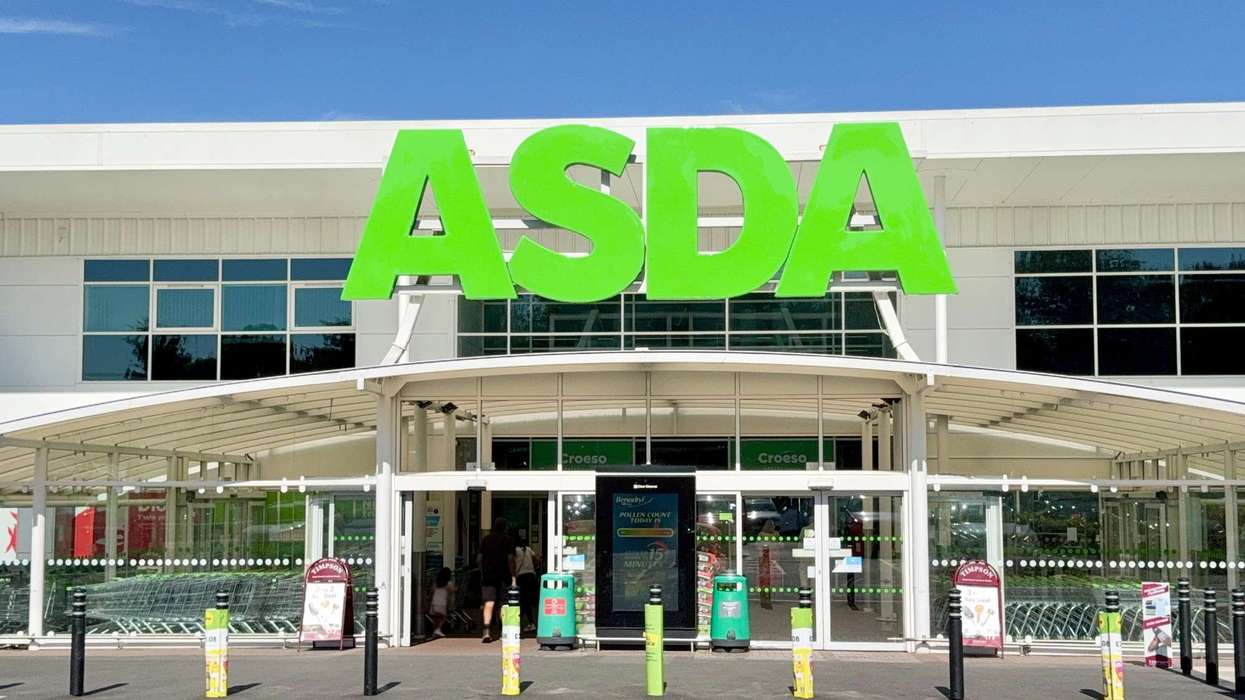

- Asda sales fell 0.2 per cent in the 12 weeks to August 9.
- Tesco, Sainsbury’s and Morrisons all recorded sales growth over the same period.
- Asda’s market share has edged up, but it remains well behind Tesco and Sainsbury’s.
Britain’s supermarkets have had plenty to cheer about this summer. Shoppers spent more as warm weather boosted demand for ice cream, sun cream and other seasonal products, while the wider grocery market continued to grow.
Asda, however, is still going backwards.
Sales at the supermarket fell 0.2 per cent year-on-year in the 12 weeks to August 9, according to Worldpanel by Numerator. That made it the only major UK grocer to record a decline over the period, while the wider grocery market grew by 2.7 per cent.
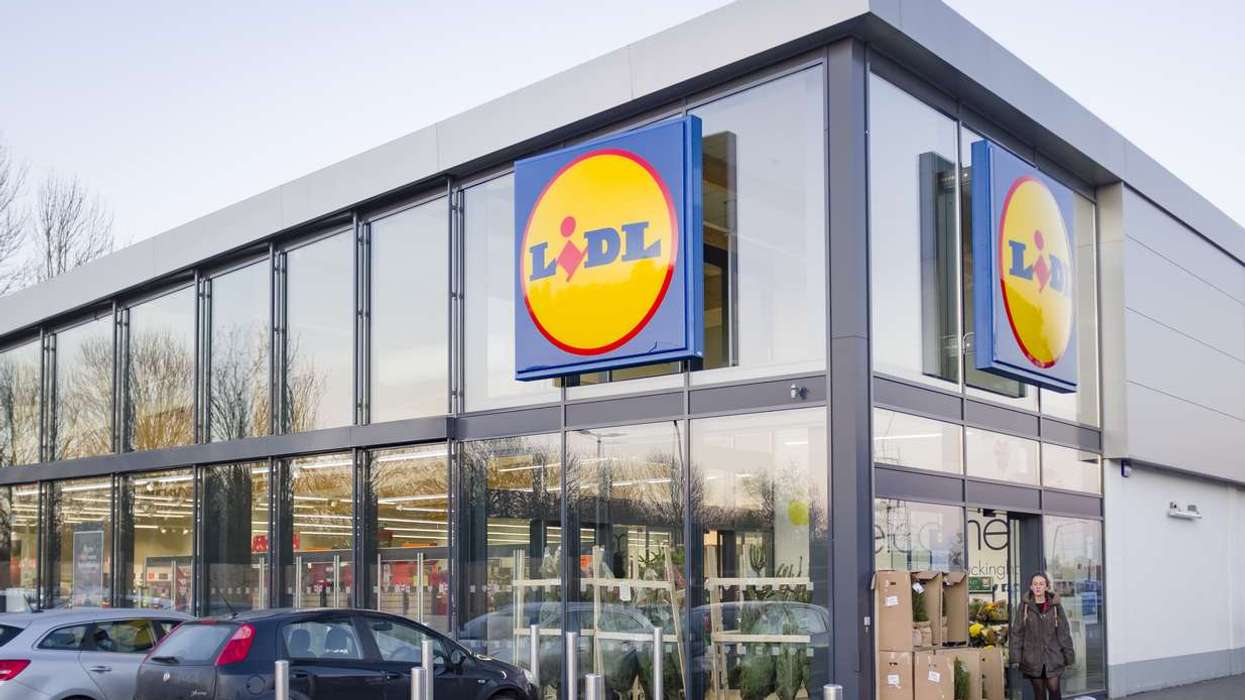
The contrast with its rivals is difficult to ignore. Tesco sales rose 1.8 per cent, Sainsbury’s increased 3.5 per cent and Morrisons grew 3.3 per cent. Lidl was up 8.5 per cent, Aldi rose 1.1 per cent, while Ocado recorded the strongest growth at 13.1 per cent.
So why is Asda struggling to keep pace when shoppers are still spending?
The price cuts have not yet delivered a sales turnaround
There are some signs that Asda’s position is improving, even if the headline sales figure remains negative.
Its 11.9 per cent market share was higher than the 11.5 per cent recorded a year earlier. The 0.2 per cent decline in sales was also its best performance since March 2024, suggesting the rate of decline is slowing.
But that improvement comes with a sizeable gap to the market leader.
Tesco controls 27.8 per cent of grocery spending, while Sainsbury’s has 15.1 per cent. Aldi has also moved closer to Asda, with a 10.9 per cent share.
That leaves Asda only one percentage point ahead of Aldi, despite being Britain's third-largest supermarket.
Executive chairman Allan Leighton is attempting to change that position through an aggressive price-cutting strategy designed to win shoppers back. The approach comes at a cost, however, with Leighton warning that lower prices would have a “material hit” on profits.
The challenge is that shoppers have plenty of reasons to look elsewhere.
Grocery price inflation slowed to 2.1 per cent, its lowest level since October 2024, while promotions accounted for 31.3 per cent of sales in the latest four-week period. Fierce competition between supermarkets is giving customers more opportunities to hunt for deals.
Asda has a lot of ground to make up
The summer numbers underline how difficult the turnaround could be.
Warm weather pushed sales of sun cream up by 58.4 per cent and ice cream and sorbet by 26.1 per cent in the latest four-week period. Yet Asda was unable to turn the broader increase in grocery spending into sales growth.
The supermarket's problems also run deeper than one set of figures. Its sales fell 3.4 per cent last year, pushing the business into a loss of almost £1 billion, while its debt interest bill climbed to £730 million.
Asda has been under pressure since its £6.8 billion takeover in 2021 by TDR Capital and the Issa brothers. The business has since faced falling sales, high debt costs and weaker profitability, leaving Leighton with the task of rebuilding a supermarket that has lost ground to both the traditional giants and the discount chains.
The latest figures therefore offer a mixed picture. Asda is no longer falling as quickly as it was, and its market share has improved slightly. But with rivals growing and Aldi closing in, the bigger question is whether slowing the decline will be enough.
For now, Asda is still trying to prove that cheaper prices can bring shoppers back before the cost of that strategy starts hurting the business more than the competition does.