
Highlights
- More than 43,000 deaths involving Covid were recorded in UK care homes between March 2020 and July 2022.
- Ethnic minority care workers faced higher risks, but inadequate records delayed recognition of the danger.
- The inquiry found that social care was treated as an “afterthought” as ministers focused on protecting the NHS.
- Care homes faced shortages of tests and personal protective equipment during the early stages of the pandemic.
AN ASIAN GP and former chair of the BMA has said the promised “ring of protection” around care homes was “manifestly not a reality” during the first wave of the Covid-19 pandemic.
“As a GP and former chair of the BMA during the pandemic, I have vivid memories of the devastating impact Covid-19 had on care homes,” Dr Chaand Nagpaul told Eastern Eye after the UK Covid-19 Inquiry published its report on adult social care on Tuesday (20).
“The UK entered the pandemic without sufficient testing capacity, which fuelled the dangerous policy of discharging patients from hospitals into care homes during the first wave without knowing whether they were infected. Combined with inadequate testing of residents and staff, this allowed the virus to rapidly spread within care homes, causing widespread illness and deaths.
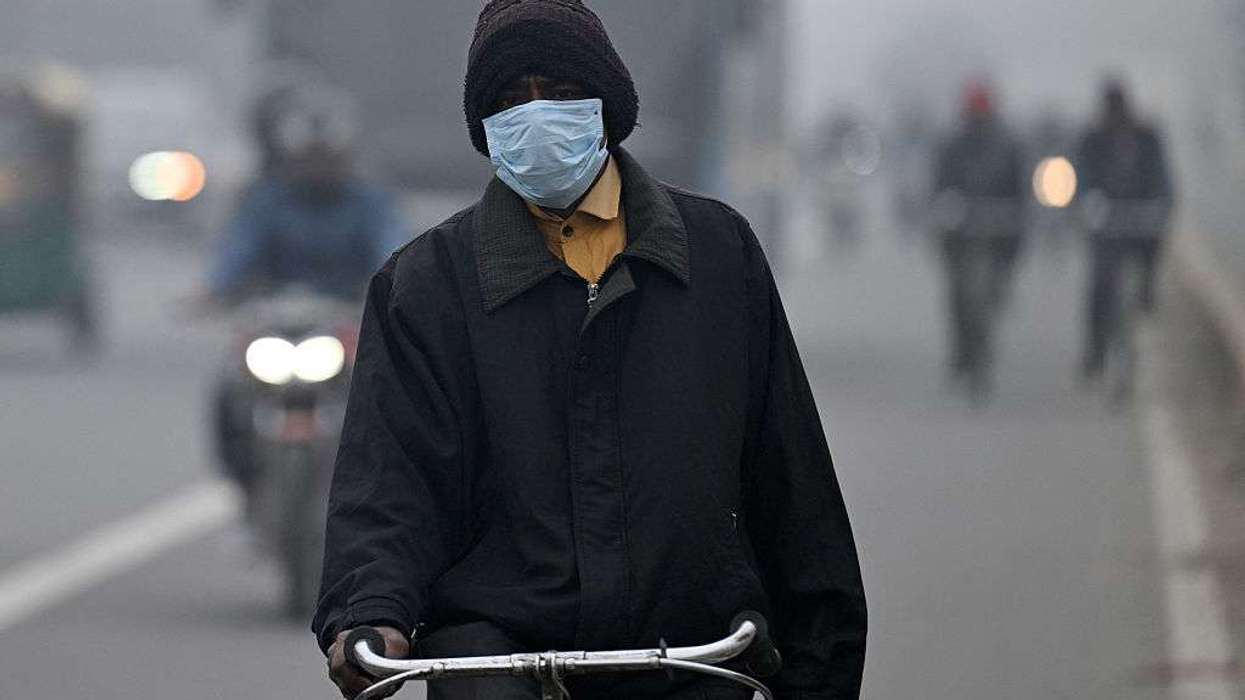
“This was compounded by national shortages of PPE in which the NHS was prioritised, leaving care home staff and residents not provided with essential protection such as masks at the onset of the pandemic, jeopardising effective infection prevention and control.
“The promised ‘ring of protection’ around care homes was manifestly not a reality during the first wave, during which we saw the highest mortality facing residents.”
He said care home residents were “among the frailest and most vulnerable people in our society”, adding: “Many are elderly and live with multiple medical conditions, making Covid-19 particularly dangerous for them.
“There must be serious learning from this experience. For any future pandemic, the UK needs a resilient public health infrastructure capable of rapidly scaling up testing, together with sufficient PPE reserves and robust supply chains.
“Care homes must be prioritised from the outset, recognising that they care for some of the most vulnerable people in our society and those at greatest risk of serious illness and death from infectious disease.”
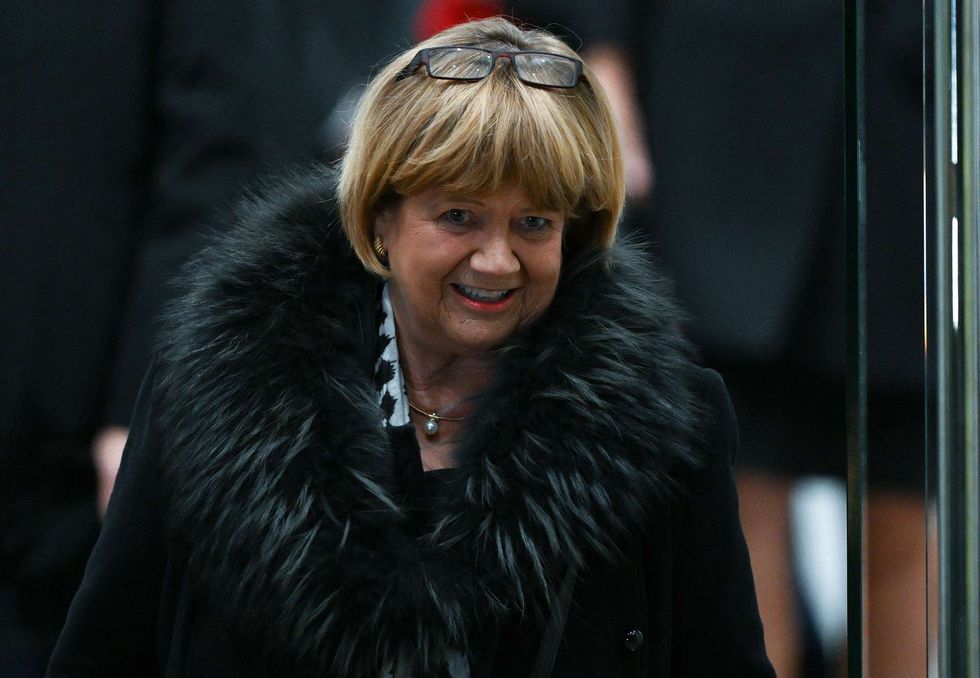 Baroness Heather HallettJustin Tallis/AFP via Getty Images
The inquiry found that care workers from ethnic minority backgrounds were more likely to die from Covid, but the government was slow to recognise the risk nobody was properly recording who was dying.
The report said there were more than 43,000 deaths involving Covid in UK care homes between March 2020 and July 2022. In 2020, Covid-19 was the second leading cause of death in care homes in England, Scotland, Wales and Northern Ireland.
According to the report, the risk was higher for ethnic minority workers, who make up a significant proportion of the care workforce.
In April 2020, two in three care workers in London (67 per cent) were from ethnic minority backgrounds. Across England, the figure was 22 per cent.
Death rates were higher among ethnic minority groups than white British people throughout the pandemic, the report said. But because death certificates did not properly record people’s ethnicity and occupations, the greater risk faced by care workers from particular ethnic groups “was not identified as quickly as it could have been”.
There were at least 1.5 million care workers during the pandemic. The inquiry said many “put their lives at risk to provide care”, yet no central record was kept of how many died.
Even the official figures did not match. By June 2020, the Department of Health and Social Care had counted about 60 care worker deaths. The Office for National Statistics had recorded 200.
The NHS Race and Health Observatory said ethnic minority staff accounted for 63 per cent of deaths among health and social care workers in the early stages of the pandemic, three times their share of the NHS workforce.
Inquiry chair Baroness Heather Hallett said social care “appeared to be something of an afterthought” during the pandemic, as ministers focused on protecting the NHS. The result, she said, was that the virus could “spread like wildfire” in care homes.
 Dr Chaand Nagpaul BMA
She dismissed former health secretary Matt Hancock’s claim that the government had thrown “a protective ring” around care homes “right from the start”. The report said this did not reflect what happened in March and early April 2020.
At that time, hospital patients were sent to care homes without being tested for Covid-19 because there were not enough test kits. In England, Wales and Northern Ireland, care homes were not instructed to isolate all such patients. The inquiry called this “a significant omission”.
Studies examined by the inquiry found that hospital discharges were one of several ways the virus entered care homes, and probably not the main one. But without testing, it was impossible to establish how significant a role they played.
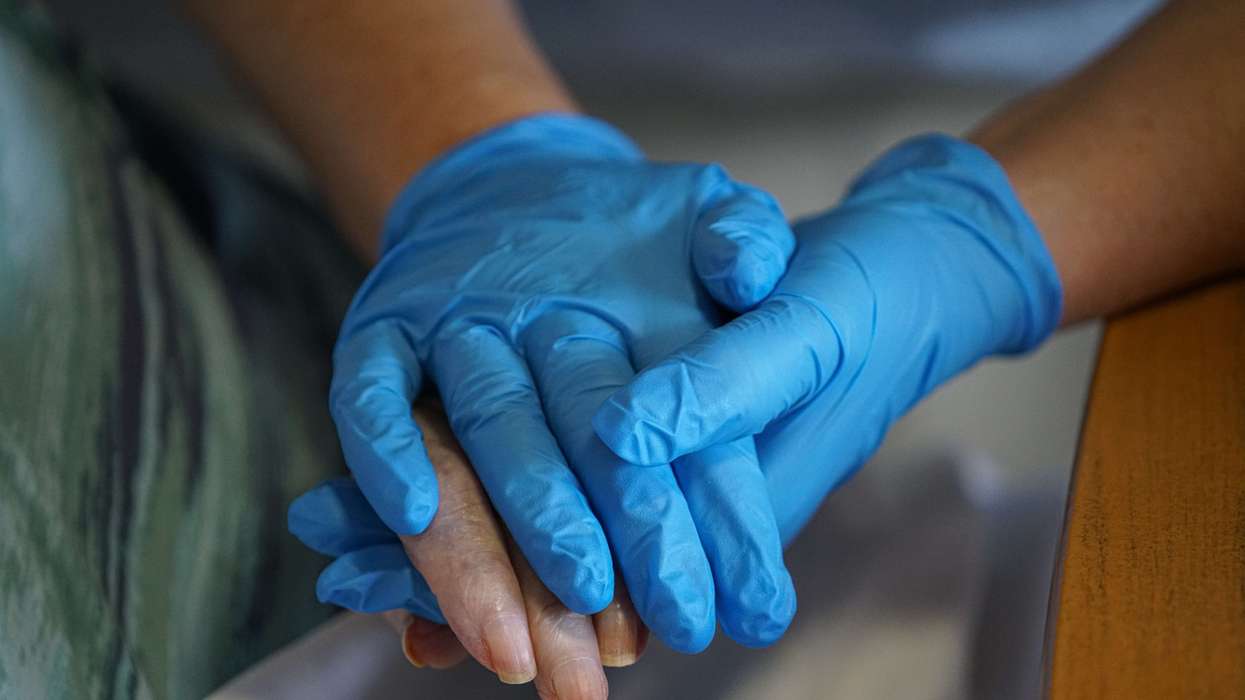
Care workers often had to work with poor-quality protective equipment, or none at all, which the report called “wholly unacceptable”. Early advice telling them to stay two metres away from the people they were caring for was “wholly unrealistic”, it said.
The Royal College of Nursing’s general secretary, Professor Nicola Ranger, called the report “a damning assessment of how social care was so badly failed”. She said the failures were preventable and that care staff and residents had been treated as second-class citizens.
The report found that migrant care workers faced additional pressures. Some feared that seeking mental health support could affect their jobs or visas. Kanlungan, a group of Filipino, SouthEast Asian and East Asian community organisations, stepped in to offer support.
The Frontline Migrant Health Workers Group told the inquiry that figures on how many migrant care workers died would have been vital, and urged better record-keeping in future.
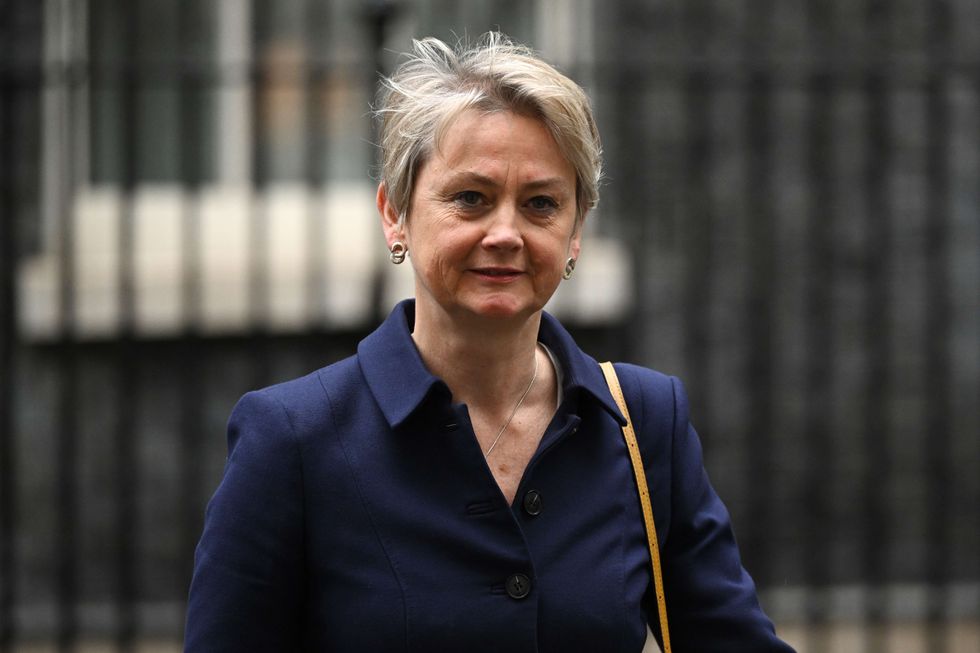 Yvette CooperLeon Neal/Getty Images
Inspectors also found that some care homes had not carried out risk assessments for staff and residents from black and ethnic minority groups. Where assessments had been carried out, their findings were not always acted upon.
Public Health England called for ethnicity to be recorded on all death certificates as early as June 2020. Today, death certificates in England and Wales record ethnicity if it is included in a person’s medical records. But Northern Ireland still records only country of birth, while in Wales, ethnicity was missing for one in four reported deaths.
Low pay made matters worse. Rules limiting staff to working in one care home reduced the income of many agency workers, and money meant to make up for this did not always reach them. In Wales, full sick pay for care staff was introduced only in November 2020, “too late”, the report said.
Families also suffered. Visiting bans left residents feeling “isolated”, “abandoned” and “alone”, people told the inquiry. Some relatives were not allowed to be with loved ones as they died.
One person described their mother dying in a care home “alone and confused about why her only child appeared to have abandoned her”.
The country’s 5.8 million unpaid carers, many of them looking after relatives at home, were left to cope with heavier workloads and little respite. Help for them “came too late”, the report said.
Responding to the report in the House of Commons, health secretary Yvette Cooper said her thoughts were with everyone who had lost loved ones, “and especially those who endured the immense distress and harm of visiting restrictions in care homes, which meant they could not be with loved ones, even as they died”.
She accepted the report’s finding that the care sector “was in a fragile state and insufficiently prepared for a pandemic” and had been treated as an afterthought compared with the NHS.
“We will provide a full response to the report’s recommendations in due course, but I agree with the chair when she says, adult social care has, for too long, been undervalued and under recognised,” she said.
“That has to end, and I hope we can work cross party to support the prime minister’s vision for a National Care Service in the future.”
Cooper was appointed health secretary by prime minister Andy Burnham in July.
The inquiry called on all four UK governments to collect and publish accurate figures on care worker deaths in any future pandemic, so risks to particular groups could be identified quickly.
Other recommendations included better planning, ready-made sick pay schemes to allow staff to isolate without losing income, clear rules on care home visits and compulsory end-of-life care training.
The inquiry also called for a voluntary register of care workers in England within two years, to give the profession greater recognition. Scotland, Wales and Northern Ireland already have registers.
The Frontline Migrant Health Workers Group warned that a register could deter people with “really precarious immigration status”. Baroness Hallett acknowledged the risk but said making registration voluntary initially would help.
The report comes after Britain stopped recruiting care workers from abroad. The visa route for overseas care workers closed to new applicants in July 2025.
Analysis of Home Office figures shows that work visas granted to Indian nationals fell from 162,655 in 2023 to 54,605 in 2025, as care jobs were removed from the scheme.
Wider reform of social care is being examined by Baroness Casey’s commission, which is due to report in summer 2027.
Baroness Hallett said the care sector “cannot be allowed to enter the next pandemic in such an unprepared state”.