
England and Wales' population has become more diverse now than a decade ago, with almost one in every 10 people identifying themselves as having Asian ethnicity, Census 2021 has revealed.
According to the figures released by the Office for National Statistics (ONS) on Tuesday, the share of Asian, Asian British or Asian Welsh ethnic groups rose both in terms of absolute numbers and as the percentage of the total population during the 10 years preceding the most recent census.
They accounted for 9.3 per cent (5.5 million) of the overall population in 2021, up from 7.5 per cent (4.2 million) 10 years earlier.
They form the second largest ethnic group in England and Wales after white people whose proportion in the population declined to 81.7 per cent (48.7 million) in 2021 from 86.0 per cent (48.2 million) in 2011.
The share of people identifying themselves as belonging to black or Caribbean or African ethnicity went up to 2.5 to (1.5 million) in 2021, up from 1.8 per cent (990,000) in 2011.
Many factors such as different patterns of ageing, fertility, mortality and migration may be contributing to the changing ethnic composition, the ONS said adding it could also be caused by differences in the way individuals chose to self-identify between censuses.
Within England, London remains the most ethnically diverse region with the number of people who identified as white declining by 8.1 percentage points to 36.8 per cent (3.2 million) in 2021, down from 44.9 per cent (3.7 million) in 2011).
North-east is the least diverse English region with 90.6 per of people (2.4 million) identifying themselves as white, while about seven out of 10 (71.8 per cent or 4.3 million) identify themselves as white in the West Midlands.
Separate census data revealed that 90.3 per cent (53.8 million) of usual residents identified with at least one UK national identity – English, Welsh, Scottish, Northern Irish, British, and Cornish.
Census deputy director Jon Wroth-Smith said the data highlighted “the increasingly multi-cultural society we live in.”
Despite the ethnic diversity, “nine in 10 people across England and Wales still identify with a UK national identity,” Wroth-Smith.
England and Wales more ethnically mixed; nearly one in 10 has Asian roots
North-east is the least diverse English region with 90.6 per of people (2.4 million) identifying themselves as white. About seven out of 10 people (71.8 per cent or 4.3 million) people identify themselves as white.






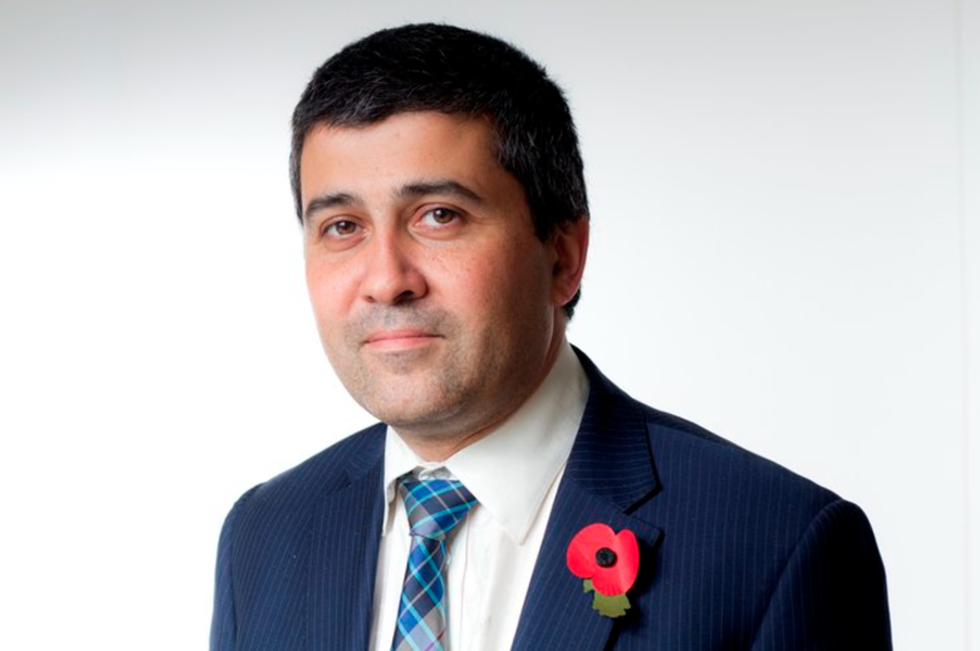 Sunder Katwala
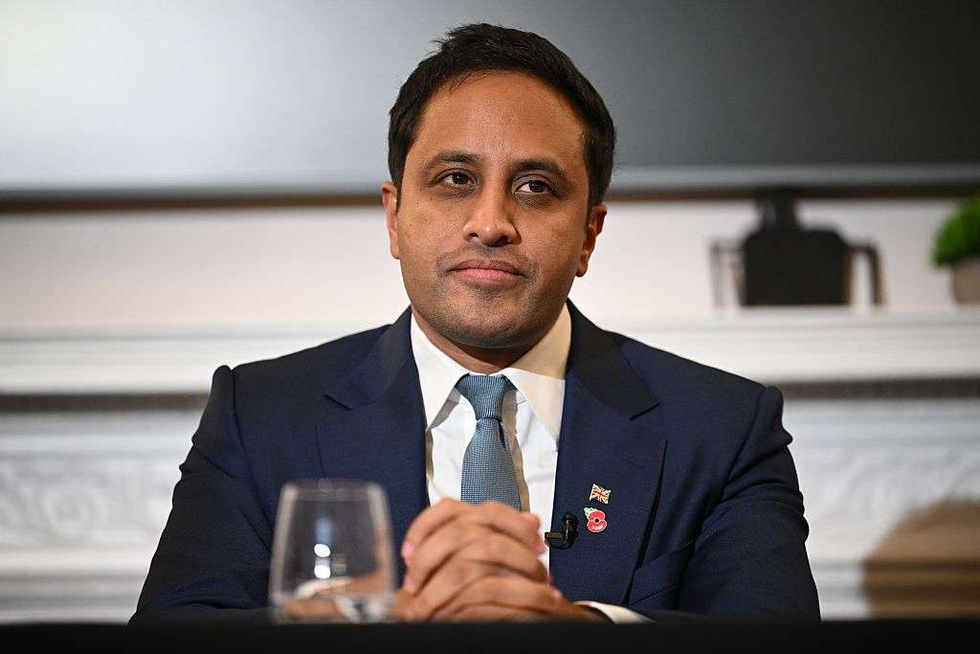 Reform UK spokesperson for home affairs, Zia Yusuf, attends a press conference with Leader of Reform UK Nigel Farage at The Clermont London Hotel on November 2, 2026 in London, United Kingdom. (Photo by Ben Montgomery/Getty Images)
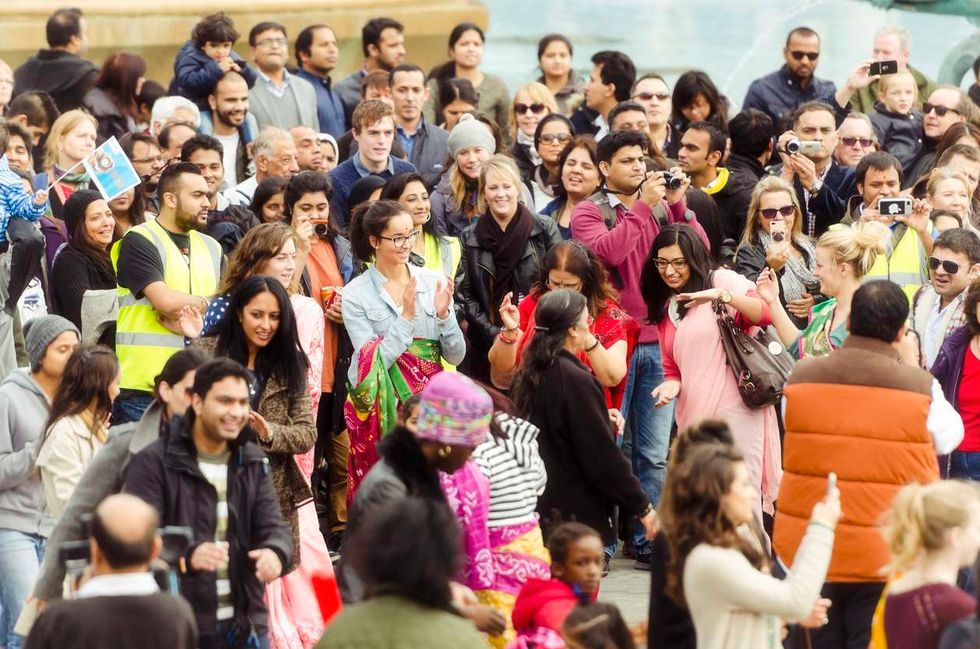 The decline has renewed calls for tighter immigration controls from the Conservatives.


