
US PRESIDENT Donald Trump has paused the American operation escorting commercial ships through the Strait of Hormuz, saying progress was being made towards an agreement with Iran.
The decision came a day after the operation, called “Project Freedom”, began.
At the same time, US Secretary of State Marco Rubio said “Operation Epic Fury” — the wider US military campaign launched alongside Israel — had concluded.
The Strait of Hormuz remains largely blocked, with thousands of seafarers and hundreds of ships still waiting to cross.
Here is what happened:
What is Project Freedom?
Project Freedom was a US military effort to escort commercial ships through the Strait of Hormuz.
The operation began on Monday after shipping through the waterway was disrupted during the US-Israeli conflict with Iran.
Trump says he is "not satisfied" with Iran's peace proposal
The strait is one of the world’s key oil routes and carries around 20 per cent of global oil supplies.
The US said Iran had effectively shut the route by threatening to use mines, drones, missiles and fast-attack boats.
Washington responded by blockading Iranian ports and organising escorted passages for commercial vessels.
Why did Trump pause the operation?
Trump said the operation would be paused because talks with Iran were making progress.
On social media, he wrote: “We have mutually agreed that, while the Blockade will remain in full force and effect, Project Freedom ... will be paused for a short period of time to see whether or not the Agreement can be finalized and signed.”
He also said requests from “mediator Pakistan and other countries” influenced the decision.
Pakistan Prime Minister Shehbaz Sharif later said he was “hopeful” the momentum would help end the conflict with a “lasting agreement.”
The White House did not immediately explain what progress had been made or how long the pause would last.
What is Operation Epic Fury?
Operation Epic Fury was a US-Israeli military campaign launched on February 28, 2026, targeting Iran’s military infrastructure, missile systems and nuclear programme.
Led by the US, the operation was declared completed on May 6, 2026.
Rubio said “Operation Epic Fury” had achieved its objectives and was over. “Operation Epic Fury is concluded,” Rubio said. “We're not cheering for an additional situation to occur.”
One of Trump’s stated aims was to stop Iran from developing a nuclear weapon, something Tehran has denied seeking.
West Asia War: US Jet Downed in Iran Amid Escalation
Rubio said Iran still had not handed over more than 900 pounds of highly enriched uranium.
What is happening in the Strait of Hormuz?
The Strait of Hormuz remains tense despite the pause in Project Freedom.
According to US officials, more than 22,000 seafarers and 1,500 commercial ships are still waiting to transit the route.
The US military said it had destroyed Iranian small boats, cruise missiles and drones.
Washington also said it struck six Iranian boats accused of threatening commercial shipping.
Iran fired missiles and drones at US forces on Monday, according to US officials.
A container ship owned by French shipping company CMA CGM was also targeted in the strait on Tuesday.
Britain’s Maritime Trade Operations agency separately reported that a cargo vessel had been hit by a projectile.
Iran denied some of the claims made by the US and Gulf countries.
What did US officials say?
Rubio said Iran could not be allowed to control shipping through the waterway.
He also called on China to pressure Iranian Foreign Minister Abbas Araghchi to end the blockade.
“I hope the Chinese tell him (Araghchi) what he needs to be told, and that is that what you were doing in the straits is causing you to be globally isolated,” Rubio said.
US Defense Secretary Pete Hegseth said Washington was “not looking for a fight” and warned further attacks would bring a “devastating response”.
He also said: “Right now the ceasefire certainly holds, but we're going to be watching very, very closely.”
Blasts Reported in Tehran as West Asia Conflict Intensifies
General Dan Caine, chairman of the US Joint Chiefs of Staff, said Iranian attacks on US forces were “below the threshold of restarting major combat operations at this point”.
Asked what Iran would need to do to violate the ceasefire, Trump said: “They know what not to do.”
What is Iran saying?
Iran has maintained that its actions are defensive.
Iran’s foreign ministry said its armed forces’ actions were aimed at “repelling American aggression”.
A senior Iranian negotiator also said Tehran “had not even started yet” in the Strait of Hormuz.
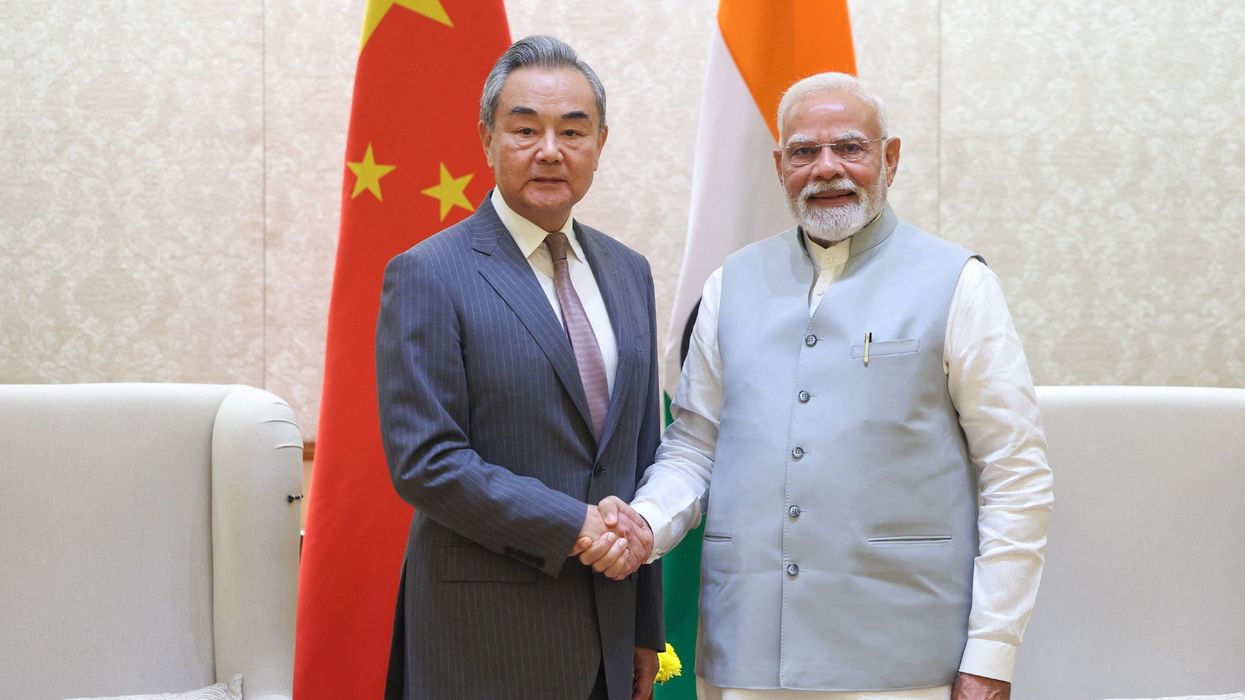
Araghchi travelled to Beijing on Wednesday for talks with Chinese Foreign Minister Wang Yi.
Iranian state TV reported that Araghchi told Wang that Tehran would “only accept a fair and comprehensive agreement.”
After the meeting, China called for both sides to reopen the Strait of Hormuz “as soon as possible”.
Araghchi also held a phone call with Saudi Arabia’s foreign minister as diplomatic efforts continued.
Iran has said peace talks are progressing with Pakistan’s mediation.
What impact has the conflict had on oil markets?
Oil prices fell after Trump announced the pause.
US crude futures dropped by $2.30 and fell below $100 a barrel.
Brent crude also fell by more than five per cent.
The conflict had earlier pushed up fuel prices and triggered concerns over global energy supplies.
The head of the International Monetary Fund said that even if the conflict ended immediately, it would take three to four months to deal with the economic effects.
What happens next?
The US and Gulf countries are drafting a UN Security Council resolution demanding Iran halt attacks, reveal the location of mines and stop efforts to charge tolls in the strait, Rubio said.
The proposed resolution would also require Iran to support a humanitarian corridor.
A vote is expected in the coming days.
Meanwhile, tensions continue beyond Iran.
Israel issued new evacuation warnings for villages in southern Lebanon on Wednesday and later carried out strikes in the area.
Israel’s military chief of staff Eyal Zamir said the country remained “on high alert across all fronts”.
Israel’s new air force chief also said the country was prepared to deploy its full fleet of fighter jets against Iran if needed.
(With inputs from agencies)