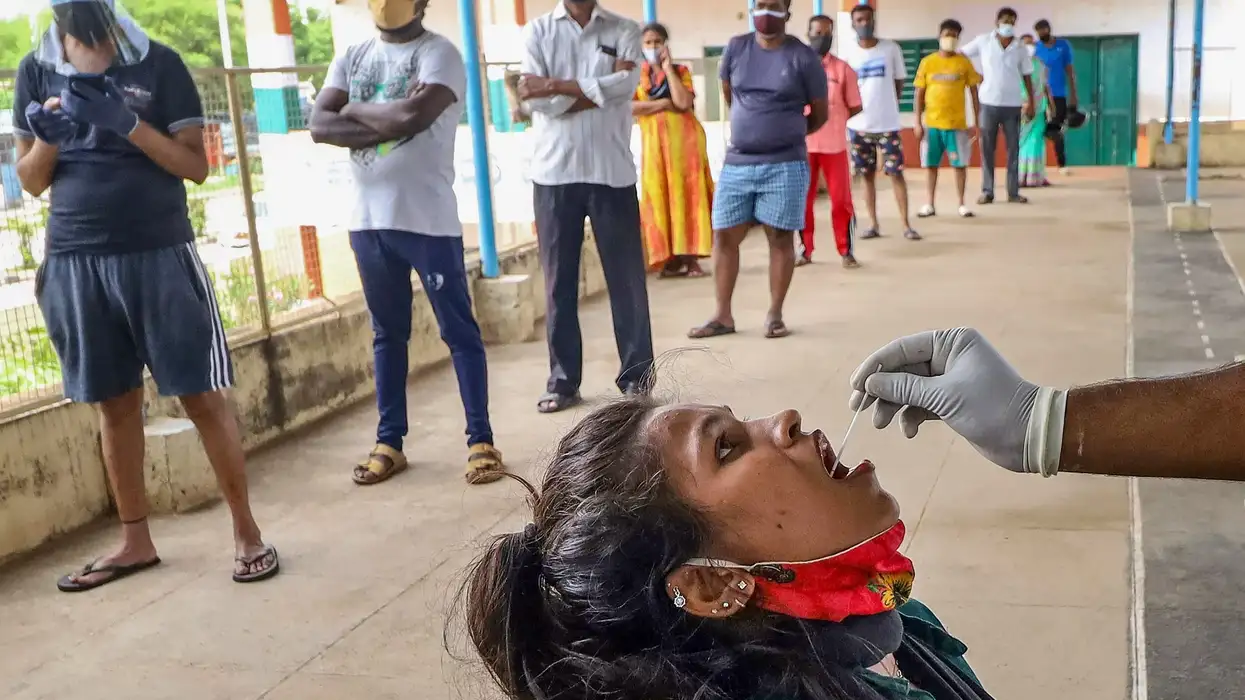

At least two Indian states have said they plan to give their populations the anti-parasitic drug ivermectin to protect against severe Covid-19 infections as their hospitals are overrun with patients in critical condition.
The move by the coastal state of Goa and northern state of Uttarakhand, come despite the World Health Organization and others warning against such measures.
"The current evidence on the use of ivermectin to treat Covid-19 patients is inconclusive," WHO said in a statement in late March. "Until more data is available, WHO recommends that the drug only be used within clinical trials."
Merck, a manufacturer of the drug, has also said available data does not support using the drug as a Covid-19 treatment.
"We do not have enough data to support its use," said Anita Mathew, an infectious diseases expert in Mumbai.
The state of Goa, a major tourist haven, said earlier this week it plans to give ivermectin to all those older than 18, while the Himalayan state of Uttarakhand announced plans on Wednesday (12) to distribute the tablets to any person over the age of two, except for pregnant and lactating women.
"An expert medical panel has recommended this" Uttarakhand's Chief Secretary Om Prakash told Reuters. "We are waiting for supplies to come in. Once they do we will distribute this drug."
Uttarakhand state in March and April played host to the Kumbh Mela, a weeks-long Hindu gathering that attracted millions of devotees from across the country. Images of the gathering showed scant evidence of any mask wearing or social distancing as throngs of people congregated for a holy dip in the river Ganges.
Despite India's overwhelming surge in cases, prime minister Narendra Modi has shied away from imposing a nationwide lockdown fearing the economic fallout and has left it to state governments, which experts say have acted too late.
Uttarakhand state currently has coronavirus-related social restrictions, including curbs on interstate travel.
Goa, remains open to tourists and only imposed an extended 15-day lockdown this week, despite data showing more than one in three patients were testing positive for Covid-19 since mid-April. The state is reporting the highest positivity rates in the country.
The state-run Indian Council of Medical Research recommends doctors could use the drug for mild Covid-19 patients, but warns this is based on "low certainty of evidence".





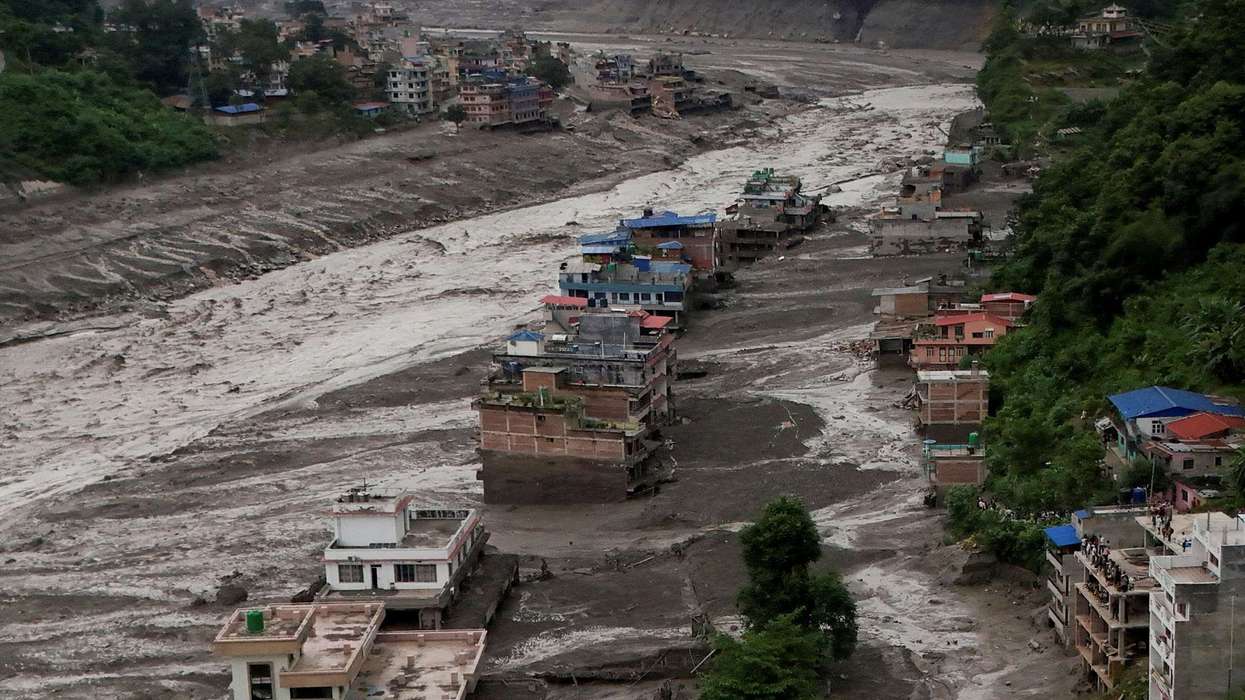
 A CCTV footage shows people running away as wall of mud and water destroys buildings in a valley at Nepal-China border, in Gyirong, Tibet region, China August 26, 2026, in this screengrab obtained from a social media video. Reuters