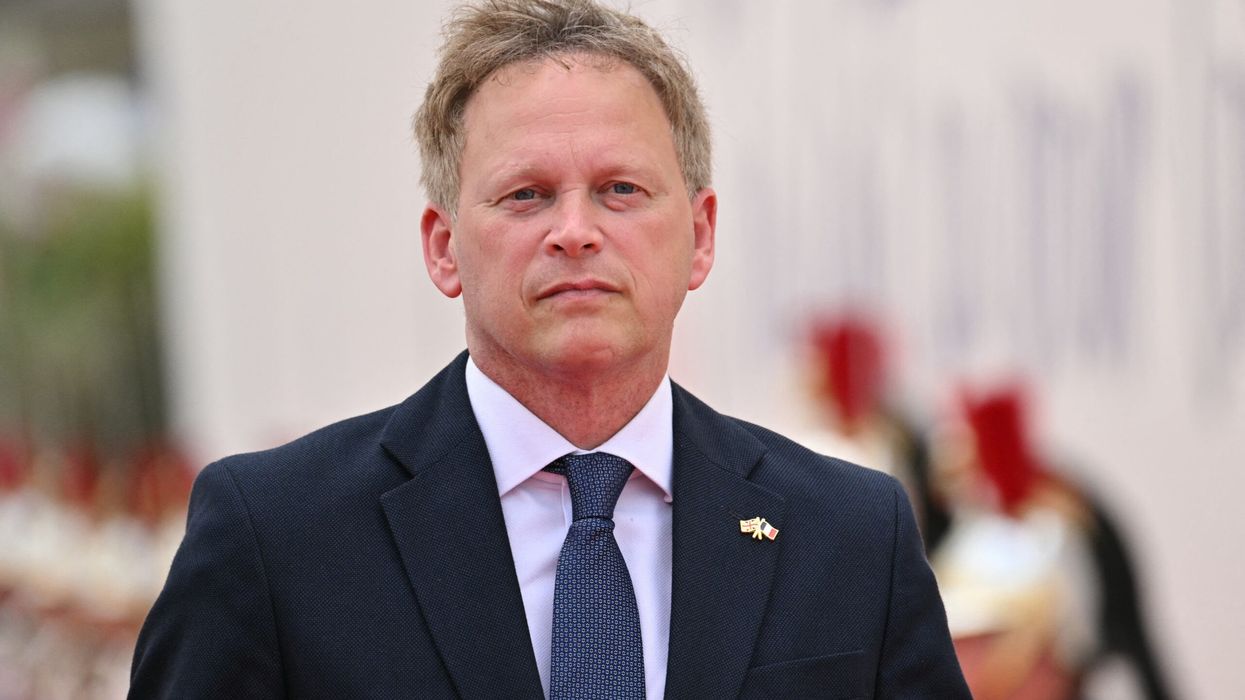

Defence secretary Grant Shapps lost his seat at Thursday's parliamentary election, becoming the most senior Conservative cabinet member so far to be defeated in what is set to be a clear overall victory for the Labour Party.
Shapps was defeated by Labour's Andrew Lewin in the Welwyn Hatfield constituency in southern England he had held for nearly two decades. Lewin won 19,877 votes compared to Shapps' 16,078.
Shapps, a loyal supporter of Prime Minister Rishi Sunak, had held other cabinet roles, including in departments of energy, housing and transport, and a six-day stint as interior minister under former leader Liz Truss.
The 55-year old former businessman was regarded as being one of the Conservatives best media communicators, often deployed in the aftermath of scandals or to defend the government at awkward times, such as during the COVID-19 pandemic.
He had been staunch in his backing for Ukraine since he was picked to replace Ben Wallace as defence minister nearly two years ago, travelling to wartime Kyiv just a month after his appointment. (Reuters)