
UK retail sales edged up by 0.4 per cent in December, offering a modest but unexpected lift during the crucial Christmas period, according to data from Office for National Statistics.
The rise followed a fall of 0.1 per cent in November and a sharper 0.8 per cent drop in October, suggesting shoppers returned later in the season rather than staying away entirely. Most forecasters had expected sales to remain flat in December.
Over the whole of 2025, retail sales volumes rose by 1.3 per cent, marking a second consecutive annual increase. Even so, sales remained below 2019 levels, before the coronavirus pandemic disrupted spending patterns.
Despite the December improvement, the quantity of goods bought fell by 0.3 per cent in the final quarter of 2025 compared with the previous three months, as earlier weakness weighed on the overall picture.
Gold, silver and the online shift
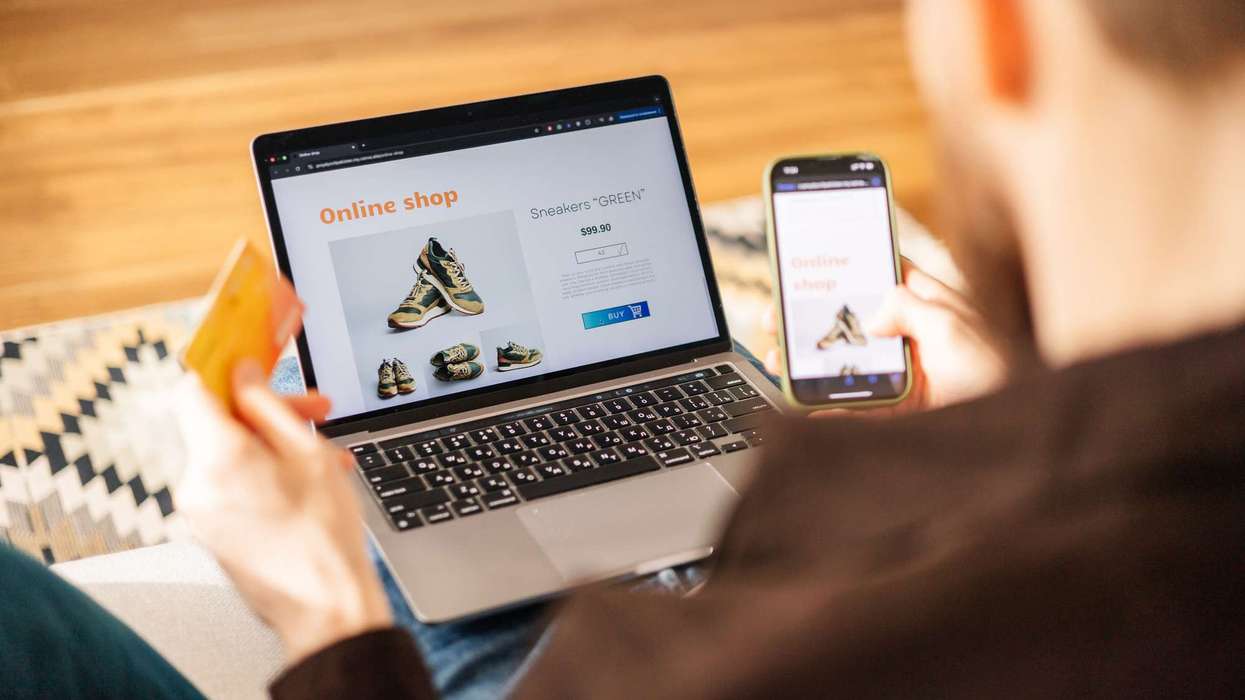
The standout performer in December was online retail. Internet sales volumes jumped by 4.4 per cent, the strongest rise since February 2024, helped by a surge in demand for jewellery.
ONS said online jewellers reported higher demand for precious metals such as gold and silver after a quieter November. Non-store retailers, which include online sellers, had struggled in October and November but saw a clear rebound in December.
Marty Bauer, retail and ecommerce expert at Omnisend, reportedly said retailers would be relieved by the late boost, adding that the data pointed to “delayed decision-making rather than lost demand”.
He was quoted in a news report as saying shoppers appeared to be waiting longer, comparing prices more closely and committing only when they felt confident they were getting real value.
Supermarkets also recorded a small month-on-month rise of 0.2 per cent in December, supported by festive food spending and price competition.
High street pain lingers
Away from food and online sales, the picture was less encouraging. Non-food retailers, including clothing, department and household goods stores, saw sales fall by 0.9 per cent in December, the weakest performance since May 2024. Clothing and footwear sales alone dropped 0.7 per cent.
ONS senior statistician Hannah Finselbach reportedly said December sales were higher, with internet retailing doing well, but added that the final three months of the year saw a slight overall drop following a strong third quarter.
Industry voices suggest cost-of-living pressures and budget-related uncertainty earlier in the autumn may have dampened spending. Alice Cowley, managing director in Accenture’s retail practice, was quoted as saying the monthly rise would bring some relief after a difficult autumn, but not enough to drive strong growth.
Jacqueline Windsor, head of retail at PwC UK, reportedly said the final quarter, when retailers traditionally make most of their money, was a disappointment, as shoppers held back and prioritised essentials.
Looking ahead, some economists see tentative reasons for optimism. Elliott Jordan-Doak, senior UK economist at Pantheon Macroeconomics, was quoted as saying that easing policy uncertainty, falling inflation and expected interest rate cuts in April could support spending through 2026. A separate consumer confidence reading from GfK also showed a slight improvement, hinting at resilience among households.
For now, the data suggest a cautious consumer: willing to spend, but only after waiting, comparing and choosing carefully.