INDIA has kept Britain’s demand on data-related issues and duty concessions on dairy sector out of the ambit of the proposed Free Trade Agreement (FTA) being negotiated between the two countries, sources said.
However, India is looking at providing duty concessions on auto and certain confectionery items, they said.
The negotiation for the agreement has reached a critical stage and in all likelihood it could be concluded by October end or November.
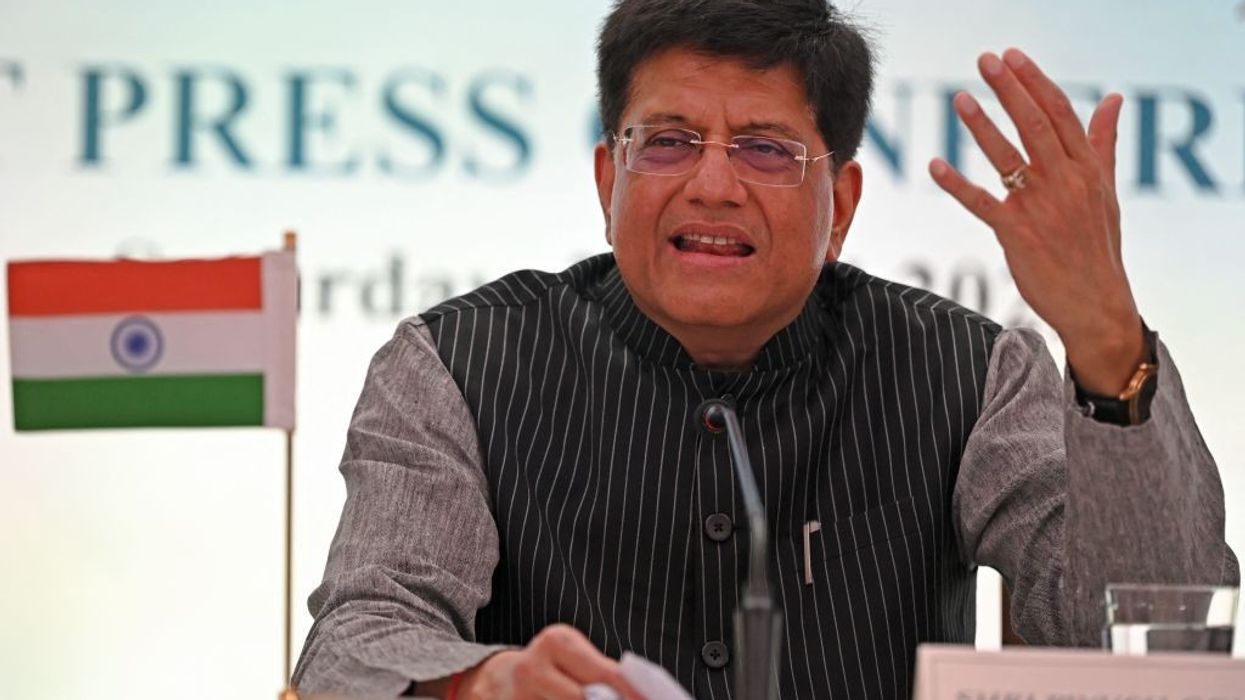
The talks received impetus following the recent visit of India’s commerce and industry minister Piyush Goyal and commerce secretary Sunil Barthwal to London in July, where they held meetings with various stakeholders including senior British officials.
The negotiation is likely to get a further fillip during the meetings of trade ministers of India and the UK on the sidelines of G20 trade ministers meeting this month in Jaipur.
"The visit of the Indian minister and secretary was very positive for the negotiations. Most of the issues are sorted out between the two countries," one of the sources said.
In the dairy sector, India would not touch any product because of the sensitivities of the domestic players, they added.
As both India and UK are strong players in the services sectors, the two sides are negotiating hard for easing of norms in several sectors such as IT, healthcare, accounting, education, medical practices, banking, insurance, legal, and telecommunications.
The UK has shown keen interest in areas like banking, insurance, legal, and telecommunications.
British firms have raised concerns over data localisations norms in India.
Another official said India and the UK are close to concluding negotiations for an FTA as both sides are working to iron out differences on issues including investment treaty, intellectual property rights (IPRs) and rules of origin.
Out of the total 26 chapters in the FTA, 19 have been closed. In the rules of origin chapters, both countries are talking about product specific rules, value addition, and certification.
The 'rules of origin' provision prescribes minimal processing that should happen in an FTA country.
Under this provision, a country that has inked an FTA with India cannot dump goods from some third country in the Indian market by just putting a label on it. It has to undertake a prescribed value addition in that product to export to India. Rules of origin norms help contain dumping of goods.
Investment is being negotiated as a separate agreement (bilateral investment treaty) between India and the UK and it could be concluded simultaneously with the free trade agreement.
The bilateral trade between the countries increased to $20.36 billion in 2022-23 from $17.5 billion in 2021-22.
(PTI)
Data localisation, duty cut on dairy products ‘out of India-UK FTA’
Sources say New Delhi is looking at providing duty concessions on auto and certain confectionery items