
Highlights
- Study finds 15 per cent of online food retailers in England operate as dark kitchens without customer-facing premises.
- Researchers establish first industry-wide definition to help regulators monitor delivery-only hubs.
- Consumer awareness remains low with only quarter having heard of ghost kitchen concept.
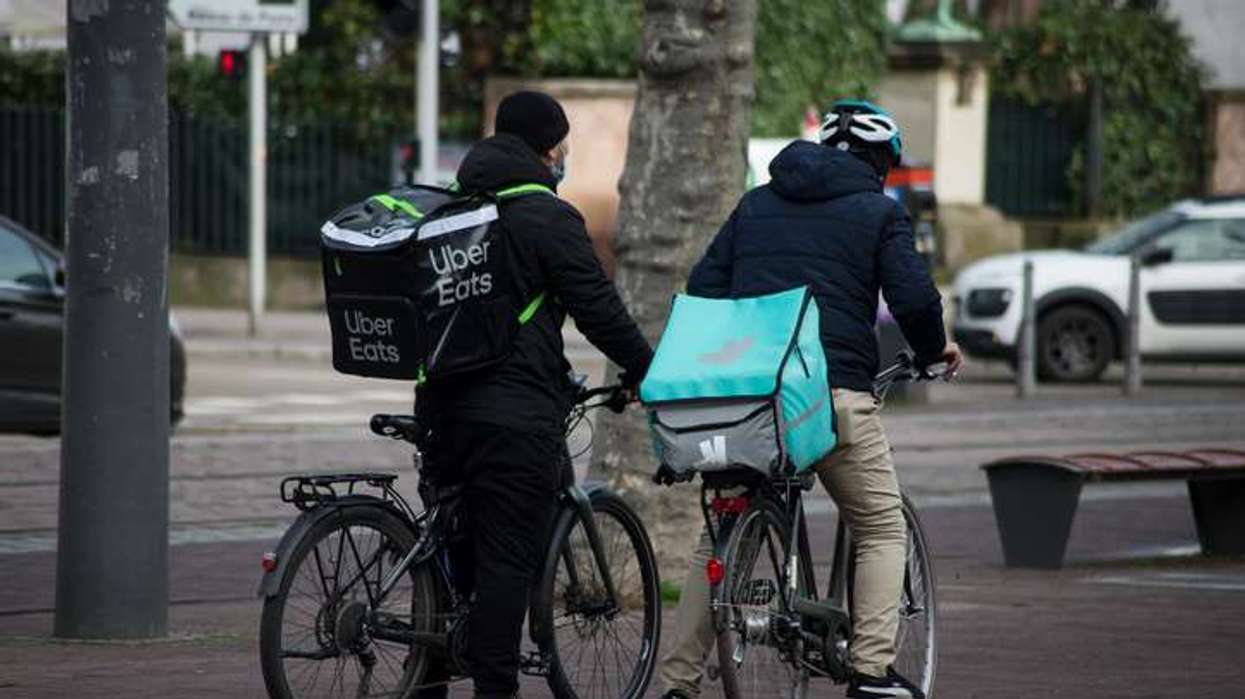
Approximately one in seven food businesses operating on major delivery platforms including Deliveroo and Just Eat are "dark kitchens" with no physical storefronts, according to new university research.
The study, commissioned by the National Institute for Health and Care Research, found that 15 per cent of all online food retailers in England were dark kitchens – also known as "cloud," "ghost" or "virtual" kitchens that operate exclusively for delivery orders.
Public health implications
Dr Lucie Nield, co-lead investigator from the University of Sheffield, told The Guardian "People deserve greater transparency about the food they are ordering online, and these businesses must be held to the appropriate regulatory standards.
Without this, dark kitchens risk falling through the gap, with potential consequences for public health, particularly by encouraging increased use of online takeaways, greater availability and therefore greater consumption of high fat, salt or sugar food."
The research team worked with academics, public health professionals, local authorities and industry workers to establish the first comprehensive definition
"Technology-enabled commercial kitchen(s) operating primarily for delivery, to fulfil remote, on-demand, consumer online orders of food for immediate consumption."
Using data analysis across platforms like Uber Eats and Deliveroo, researchers identified clusters of food brands operating from identical postcodes, a key indicator of delivery-only hubs.
Cross-referencing with tools like Google Maps revealed how challenging these businesses can be for consumers and regulators to identify.
Low consumer awareness
While dark kitchens offer commercial benefits including reduced operating costs and flexible locations, the research highlighted regulatory challenges.
Unlike traditional takeaways controlled by local planning policies, delivery-only operations remain largely invisible and can undermine management zones designed to limit takeaway density around schools.
Food safety concerns were also raised, particularly regarding allergen cross-contamination in shared kitchen spaces where multiple businesses operate simultaneously.
A 2023 survey found 40 per cent of participants purchased takeaways at least weekly, yet only one quarter had heard of dark kitchens and just 9 per cent knowingly used one.
After learning about the concept, over half said they would consider ordering from dark kitchens if clearly identified.
The new industry definition aims to bring delivery-only hubs under stricter planning oversight and improve consumer transparency.