
- Crypto vault deposits have climbed from $4bn to more than $10bn, according to Blockworks data cited by the Financial Times.
- Vaults typically offer returns of 3 to 10 per cent, with riskier strategies promising 20 per cent or more.
- Regulators in the US and Europe are examining whether parts of the sector should face financial rules.
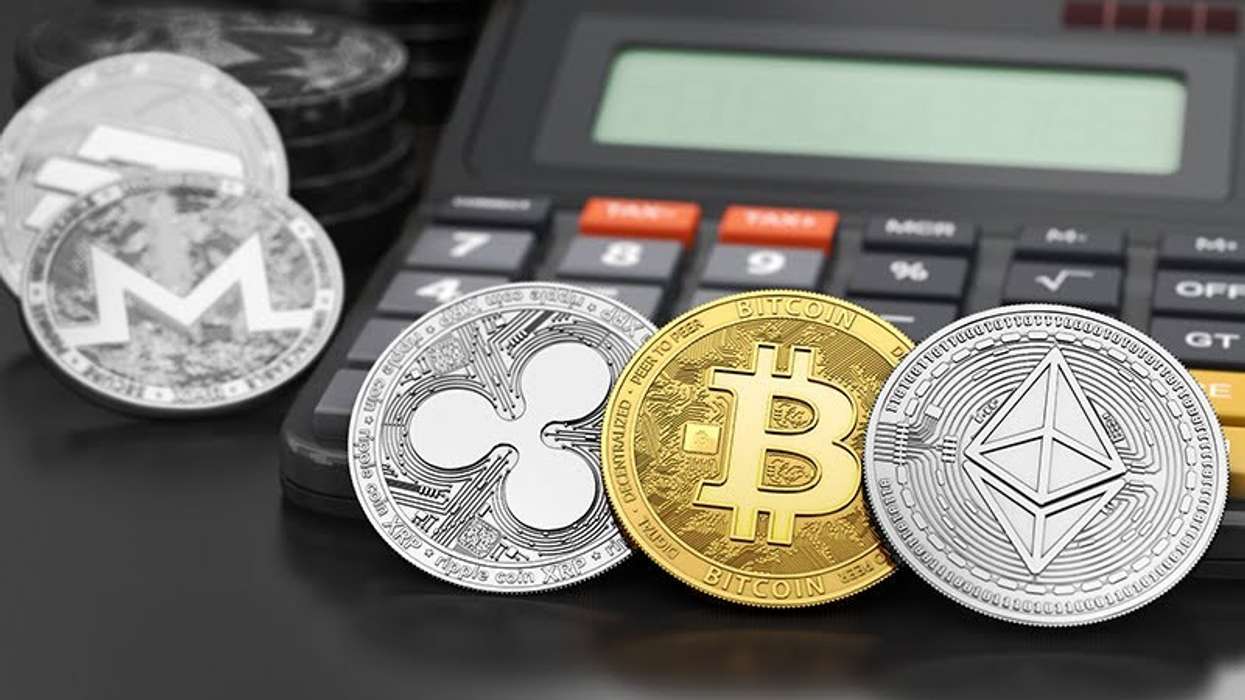
Crypto vaults have attracted more than $10bn in deposits as investors chase returns of up to 20 per cent, but analysts warn that the strategies can expose them to rapid liquidations, hacking and risks they may struggle to assess.
Deposits into the products have risen from about $4bn at the start of last year, according to data group Blockworks cited by the Financial Times. Investors deposit stablecoins and other crypto tokens into vaults that lend or stake assets to traders in exchange for interest.
The products offer a way to earn returns without managing trading strategies themselves. But many operate in an unregulated corner of decentralised finance (DeFi), where positions can unwind automatically and investors may have little protection when things go wrong.
How do crypto vaults offer returns of up to 20 per cent?
Each vault has a curator who selects the investment strategy, sets risk parameters and charges fees. The curator effectively acts like a fund manager, deciding how investors' tokens are deployed.
Typical returns range from 3 to 10 per cent, while riskier strategies can offer 20 per cent or more. The higher yields can attract investors seeking income from their crypto holdings, but returns depend on the strategy and the risks it takes.
Adrian Cachinero Vasiljevic of Steakhouse Financial, described by the FT as the largest vault curator, said fintech companies, digital asset treasury firms and hedge funds were among the main depositors.
The structure can also leave investors exposed to risks that are not immediately obvious from the headline interest rate. Léopold Wenger, digital assets director at Kaiko, said investors often focus on yields rather than collateral ratios, liquidity and other details visible in public smart contracts.
What can go wrong when crypto vaults come under pressure?
Vaults can automatically liquidate positions when collateral falls below required levels. That can accelerate losses during market stress, particularly when the assets used as collateral are difficult to sell or their value changes sharply.
Andrew O'Neill of S&P Global Ratings warned that problems in DeFi can spread faster than in traditional financial markets because distressed positions can unwind quickly.
Security failures pose another risk. TRM Labs data cited by the FT showed $972mn was stolen from DeFi platforms in the first half of the year.
A March hack involving the Resolv protocol also exposed weaknesses in how some vaults value collateral. The USR token, used as collateral in certain vaults, had its price hard-coded at $1. After the incident caused its market price to fall, those vaults did not recognise the decline, leaving them exposed to a mismatch between the token's assumed and actual value.
Some popular Morpho vaults also accept illiquid collateral, including a stablecoin backed by other crypto tokens and a token linked to tokenised private credit assets. Such arrangements can make it harder to determine how quickly collateral could be sold if borrowers default or market conditions deteriorate.
Will regulators bring crypto vaults under financial rules?
Regulators in the US and Europe are examining whether parts of the sector should face formal oversight.
The US Securities and Exchange Commission said in July it was examining how crypto vaults may fall under securities laws. Former commissioner Hester Peirce wrote that some vaults could resemble unit investment trusts, while lending strategies may carry implications under federal securities rules.
In September, the European Securities and Markets Authority proposed regulating gatekeepers that facilitate access to DeFi services, saying the proposals were relevant to lending vaults.
Jonathan Galea of Cahill Gordon & Reindel said curators who actively adjust parameters each day and remain closely involved in managing assets were more likely to be treated like traditional fund managers.
Kaiko's Wenger said the main challenge for curators was becoming compliant, a prospect that could meet resistance from a sector that has largely operated without formal regulation.