I RECENTLY heard happy news about someone and should have been excited for them, but for a little while, I wasn’t.
I know that’s a really bad thing to say, but if you know me, I am always honest. When you’re 39 and single, you do wonder why these things don’t happen to you. Why you’re not with the man of your dreams, buying a house and having babies? Why aren’t you getting that dream promotion, even though you work so hard? Why the perfect body is just a figment of your imagination. For a long time, I beat myself up about having these feelings of envy.
I am genuinely happy for those around me moving to the next phase of their life, but that doesn’t mean there isn’t a part of me that wants that ‘can’t live without you’ love. The kind of love where the guy doesn’t want to lose you and chases you to Paris (yes, I’ve been watching more Sex and the City than ever in lockdown).
The problem is that we, as women, have grown up having too-high expectations of ourselves. That we must get married and have children by 30. Have a successful career and that fancy car. We are forced to sacrifice our own dreams because of families or children, rather than just following our hearts and being happy. We hide romantic relationships, especially in the Asian community, and how many sexual partners we have had. What if that all changed, and I posted on Instagram how many men I have slept with or the fact I’ve had counselling due to a breakup. What if we stand up for what we believe in and say, ‘hey, you know what, you’ve crossed a line here, that’s not okay’, when an aunty asks why you’ve put on weight or why you’re not married.
We have to remember that whoever we are, wherever we may be, we are where we are supposed to be. And that if you don’t have kids, there’s always a dog that will give you all of the cuddles you need (they’re hard work, don’t be mistaken). Or that there will be another job, at a different company that will help you climb the ladder to success. Or that you’ll find love at 40, instead of 25. But in between, you’re going to have the most beautiful life experiences that will make you a much more interesting person than someone who hasn’t experienced life.
I want you all to do one thing this year and that is to read a book called The Midnight Library by Matt Haig. It is about a woman who is stuck between life and death and visits where she could have been if she just took a different path or made an alternative decision. I assure you it will remind you that your existence matters and that you are, where you are meant to be.
Follow Priya Mulji on www.twitter.com/priyamulji or log onto www.priyamulji.com


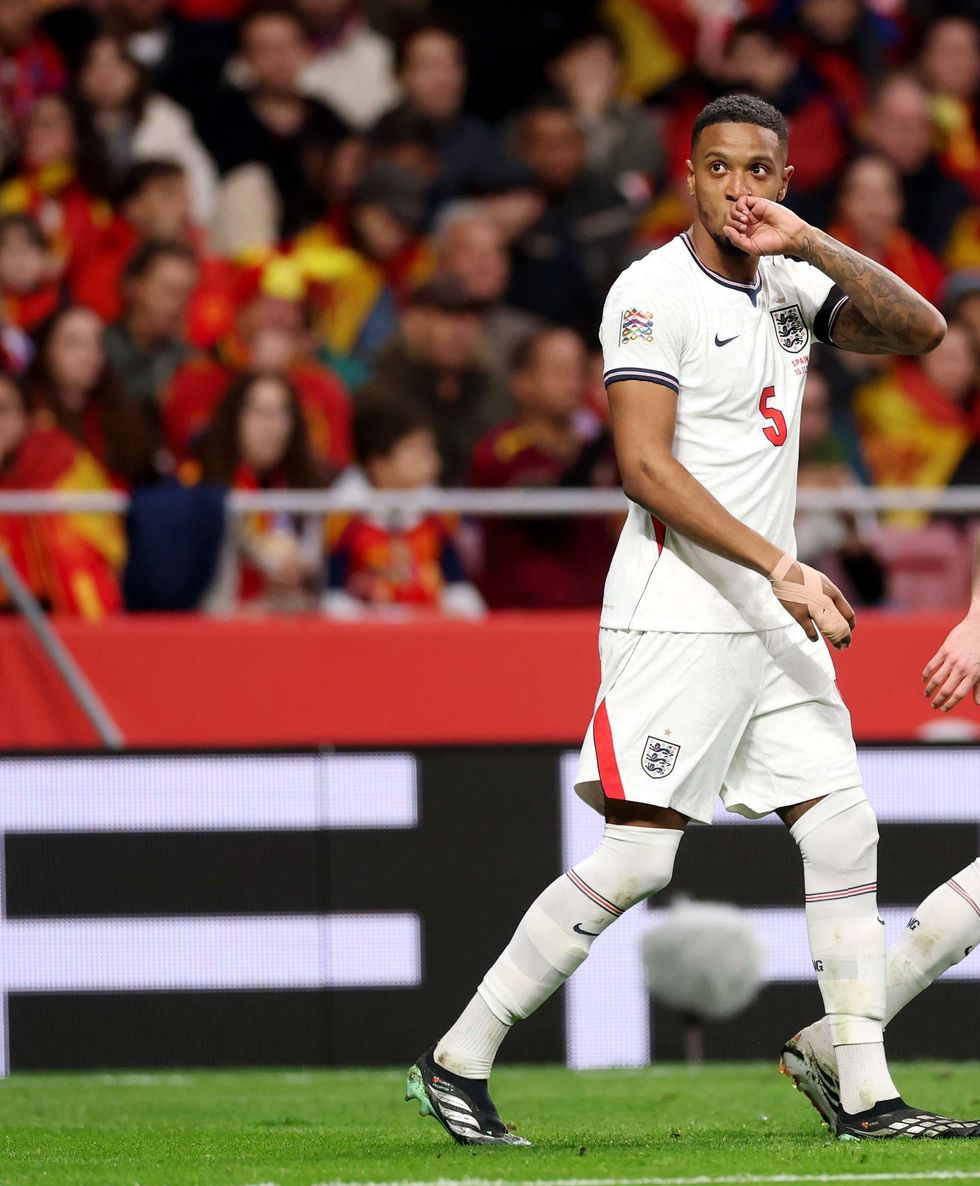 MADRID, SPAIN - NOVEMBER 15: Ezri Konsa of England celebrates scoring his team’s second goal during the UEFA Nations League 2026/27 group phase match between Spain and England at Riyadh Air Metropolitano on November 15, 2026 in Madrid, Spain. (Photo by Carl Recine/Getty Images)