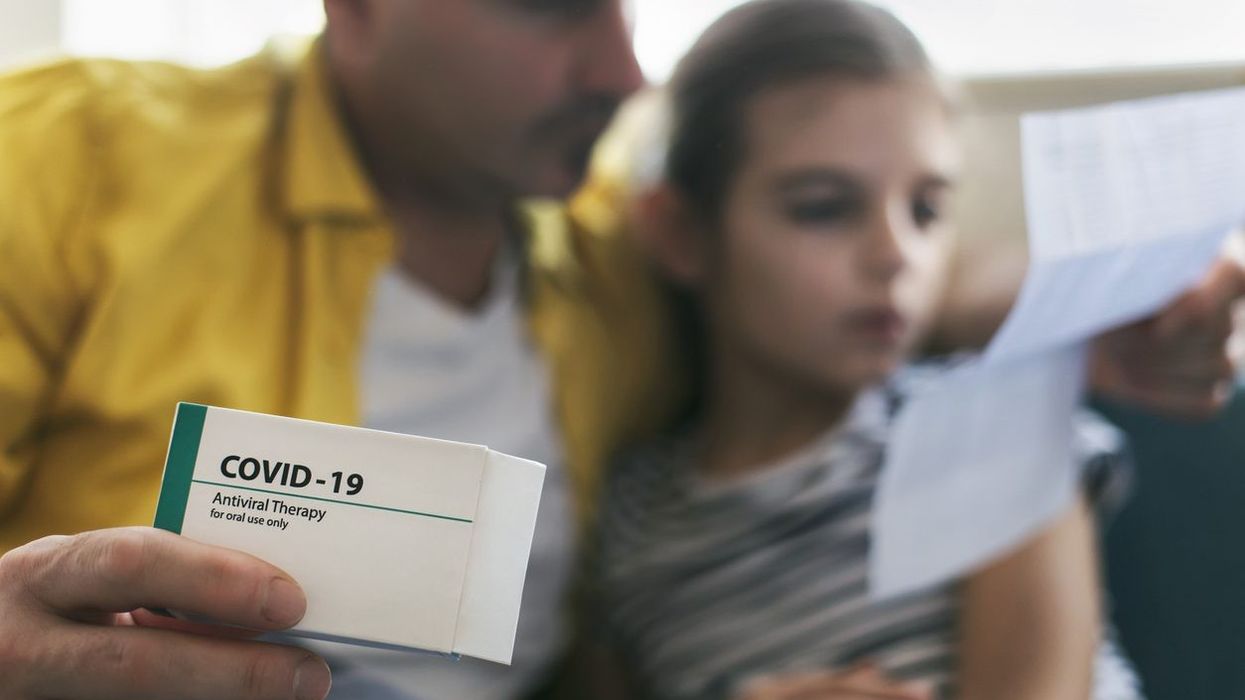

THE NHS has started providing a new antiviral treatment against Covid for high-risk patients at home that improves symptoms “within hours”, the health service said in a statement.
Known as Paxlovid, has been given to more than 6,000 patients already – with over 1,400 patients benefitting in the last seven days alone. It is expected to cut hospitalisation and deaths by 88 per cent.
The NHS has given 'game-changing' covid treatments to more than 32,000 patients since December.
According to the statement, the treatment stops the virus from multiplying in cells and therefore prevents the virus from multiplying in the body.
Professor Stephen Powis, NHS national medical director, said: “It’s fantastic that since launching the latest antiviral treatment Paxlovid just over a month ago, thousands of our most vulnerable patients have already had access to this latest cutting-edge, life-saving treatment.
“Antivirals are another weapon in our arsenal to reduce hospital admissions and fatalities amongst patients at highest risk of becoming seriously ill from Covid-19 and needing hospitalisation — each and every person treated with the new drugs is a testament to how the NHS is doing everything possible to protect those who are at most risk."
It will be up to clinicians to decide on a case-by-case basis whether this treatment or another Covid-19 medicine, is the best choice for their patients. People who are eligible for Paxlovid will be sent the tests to keep at home in case they develop symptoms, the NHS said.
Health secretary Sajid Javid said: “We have secured more antivirals per head than any other country in Europe - almost five million doses for NHS patients. Both of our groundbreaking antivirals – molnupiravir and Paxlovid – are available to those most vulnerable to the virus directly through the NHS, and it’s fantastic to see 32,000 patients reaping the benefits.
“For anyone not in this high-risk group, if you’re aged 50 and over or 18 to 49 with an underlying health condition and test positive, you can sign up to the PANORAMIC study to potentially access this treatment too.”
“Although I initially declined Paxlovid because I didn’t feel too bad. I had initially felt fine, just a bit tired, but two days in I had an extremely sore throat, to the point where I couldn’t swallow or talk, and I could barely walk," said Helen West, 56, from Walderslade, Kent, who received Paxlovid.
“The process was so quick and efficient. Within six hours of taking the first tablet, I felt a very slight improvement. After four days, I was back to work. Covid hit me hard but Paxlovid really made a positive difference to my recovery.”
Another Paxlovid patient, Cathy Merry from Duffield near Derby, said: “Having these treatments available is just brilliant and we are so lucky to have them for free on the NHS. The hospital staff have always been brilliant, but to deal with this so efficiently is absolutely unbelievably good care.
“I lived in the US and we are so lucky to have the NHS and the brilliant care they give to us all.”