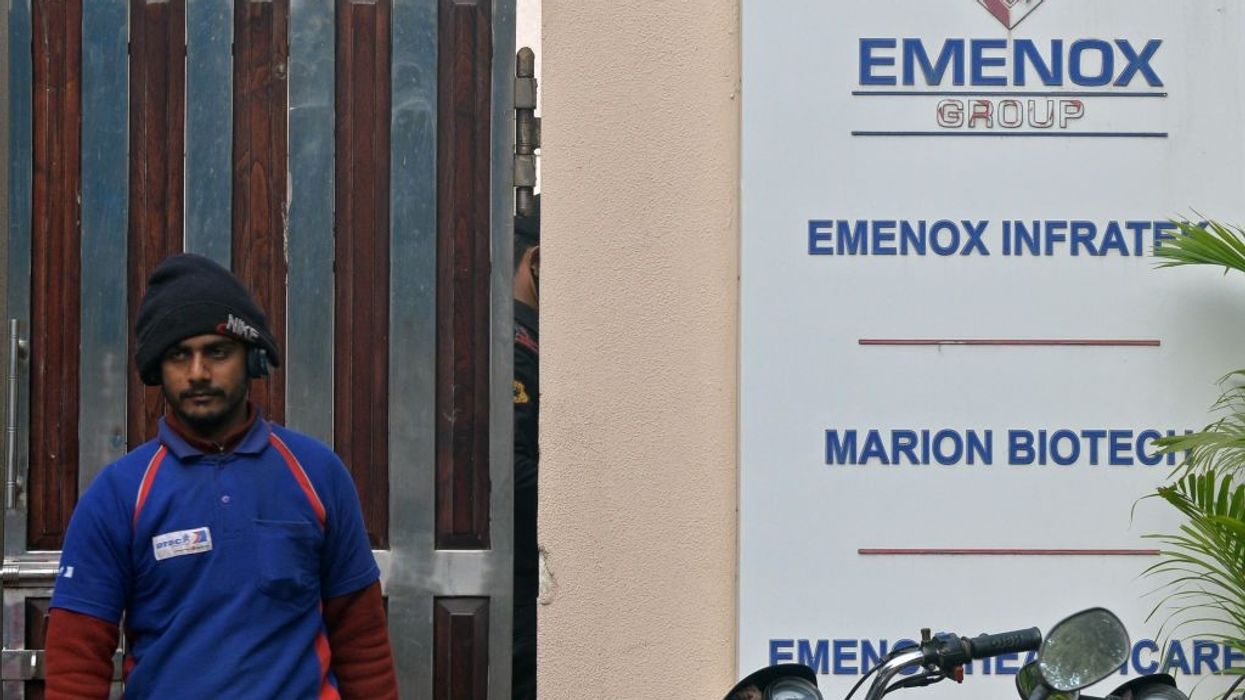

A court in Uzbekistan sentenced 23 people to prison terms on Monday (26) over the deaths of 68 children linked to contaminated cough syrups produced by India's Marion Biotech, following a six-month-long trial.
The Central Asian nation had previously reported 65 deaths linked to the medicines, but last month the prosecutors at the Tashkent city court updated the death toll and said two more people had been charged during the hearings.
The defendants, including one Indian national, faced jail terms ranging from two to 20 years. They were found guilty of tax evasion, sale of substandard or counterfeit medicines, abuse of office, negligence, forgery, and bribery.
Singh Raghvendra Pratar, an executive director of Quramax Medical, a company that sold medicines produced by India’s Marion Biotech in Uzbekistan, was handed the longest – 20-year - prison term.
Former senior officials who were in charge of licensing imported medicines were also sentenced to lengthy terms.
The court decided that compensation amounting to $80,000 (1 billion Uzbek sums) would be paid to each of the families of 68 children who died from consumption of the syrup, as well as to four other children who became disabled.
Parents of eight other children affected by the drug will get from $16,000 to $40,000. The compensation money will be collected from seven of the convicts, the court’s decision said, according to the Supreme Court statement.
(Reuters)