
AS the Glasgow Commonwealth Games came to a close, India officially launched the journey to the 2030 Commonwealth Games in Ahmedabad with a cultural presentation during the closing ceremony.
The ceremony at the OVO Hydro saw Glasgow hand the Commonwealth Games baton to India before a performance of music, dance and storytelling highlighted the country's culture and marked the beginning of preparations for the centenary edition of the Games.
Prince Edward, Duke of Edinburgh, representing King Charles III, formally declared the Games closed.
"Thanks for the manner in which you have competed, officiated, supported, organised the Games. You have once again brought the spirit and value of Commonwealth tonight. Thank You Glasgow," he said.
"I call up on athletes of all countries and territories to come to Ahmedabad, India in four years time to celebrate the 24th Commonwealth Games in what will be the centenary of the Games," he added.
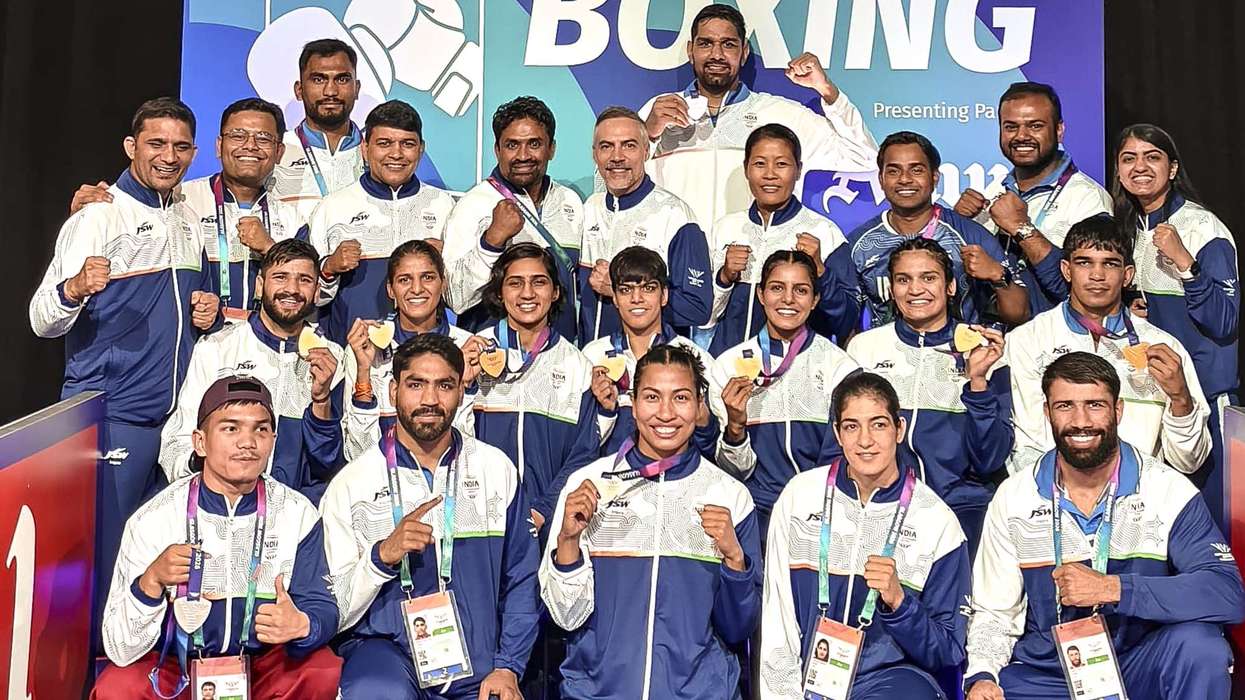
ALSO READ: India climb fourth as boxers deliver record gold haul at Commonwealth Games
Jaismine Lamboria carried India's flag at the closing ceremony after winning gold in the women's 57kg boxing competition.
The handover began with the Commonwealth Games flag making its way across the arena.
Led by flag bearers carrying the Scottish and Indian flags, the procession lowered the folded Games flag.
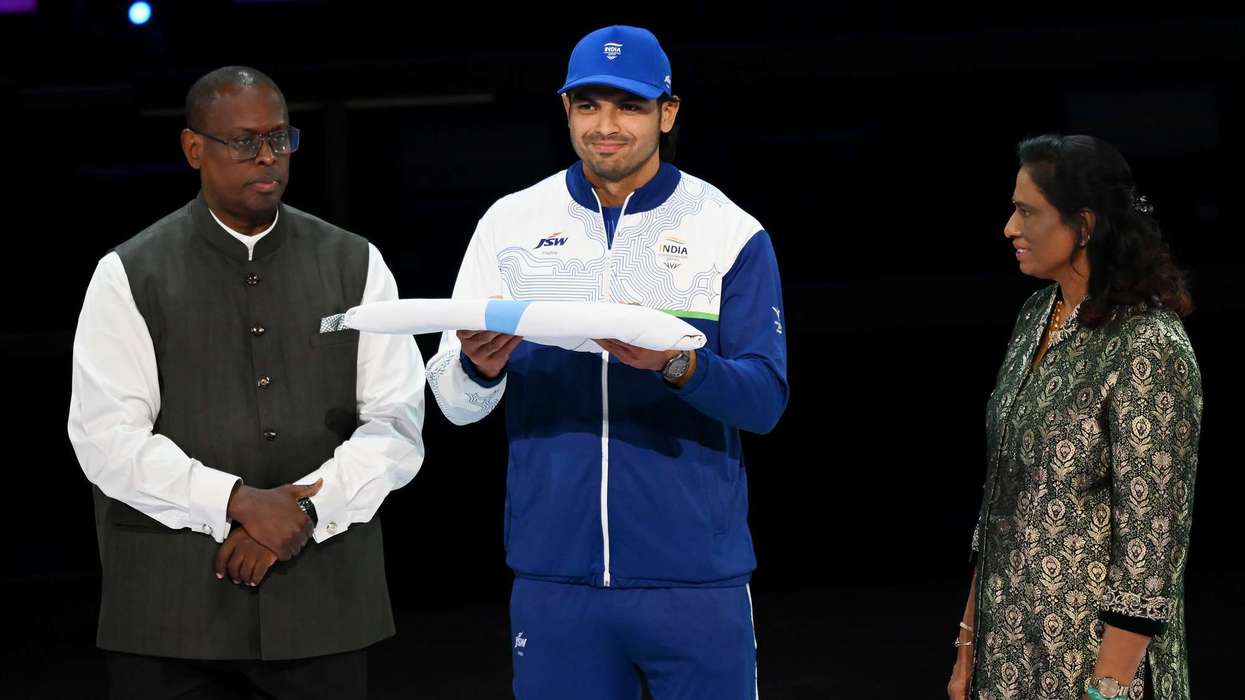
Glasgow's Lord Provost Jacqueline McLaren then handed the flag to Commonwealth Games Scotland vice-chair Susan Jackson, Scottish netball player Emily Nicholl, Commonwealth Sport president Dr Donald Rukare, two-time Olympic medallist Neeraj Chopra, Indian Olympic Association president PT Usha, and Gujarat Deputy Chief Minister Harsh Sanghavi.
The ceremony marked the official transfer of hosting responsibilities from Scotland to India.
India's presentation was divided into three acts, with organisers describing it as a journey celebrating shared values, culture and connection.
The programme was based on the Indian philosophy of Vasudhaiva Kutumbakam — "The World is One Family" — reflecting the Commonwealth's values of unity and friendship.
The opening act also marked 150 years of Vande Mataram, India's national song, with a performance led by actor Manushi Chhillar.
Accompanied by digital visuals, hundreds of dancers performed to music composed by Shankar Mahadevan, bringing together orchestral and Indian musical traditions.
The performance highlighted India's many languages, customs and artistic traditions.
A specially produced film then introduced international audiences to Ahmedabad.
The film showed sport as part of Indian life, tracing its journey from ancient traditions of discipline and physical excellence to the ambitions of one of the world's youngest nations.
It also presented Gujarat as a place where heritage and innovation meet, positioning Ahmedabad as the host city for the Commonwealth Games' centenary edition.
The film ended with the message that sport can unite people, celebrate diversity and bring the Commonwealth together in India.
The second act focused on music and was titled "The Cultural Jugalbandi".
It featured Indian sitar player Rishab Sharma performing with Scottish musician Ross Ainslie.
The performance brought together Sharma's sitar with Ainslie's Scottish pipes and whistles, reflecting the musical traditions of both countries.
The finale featured Shankar Mahadevan performing with his sons Siddharth and Shivam Mahadevan. They performed songs including "Suno gaur se duniya walon, Bhaag Milkha, Ae watan watan and Lehara Do."
Gujarati playback singer Bhoomi Trivedi also performed in a tribute to the host state before Ahmedabad welcomes the Commonwealth in four years.
India's presentation followed Glasgow's farewell programme of Scottish music, poetry and dance.
Scotland's wheelchair racer Melanie Woods received the David Dixon Award, presented to the outstanding athlete of the Commonwealth Games for performance, fair play and overall contribution to their team's participation at the Games.

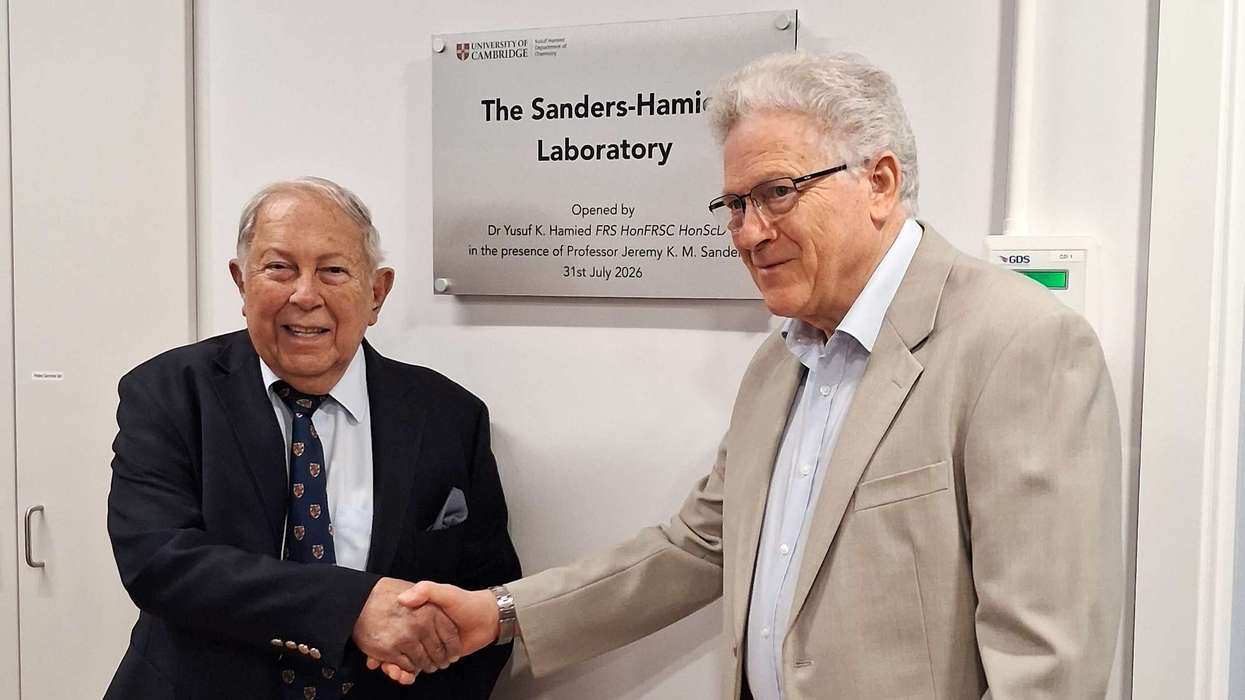
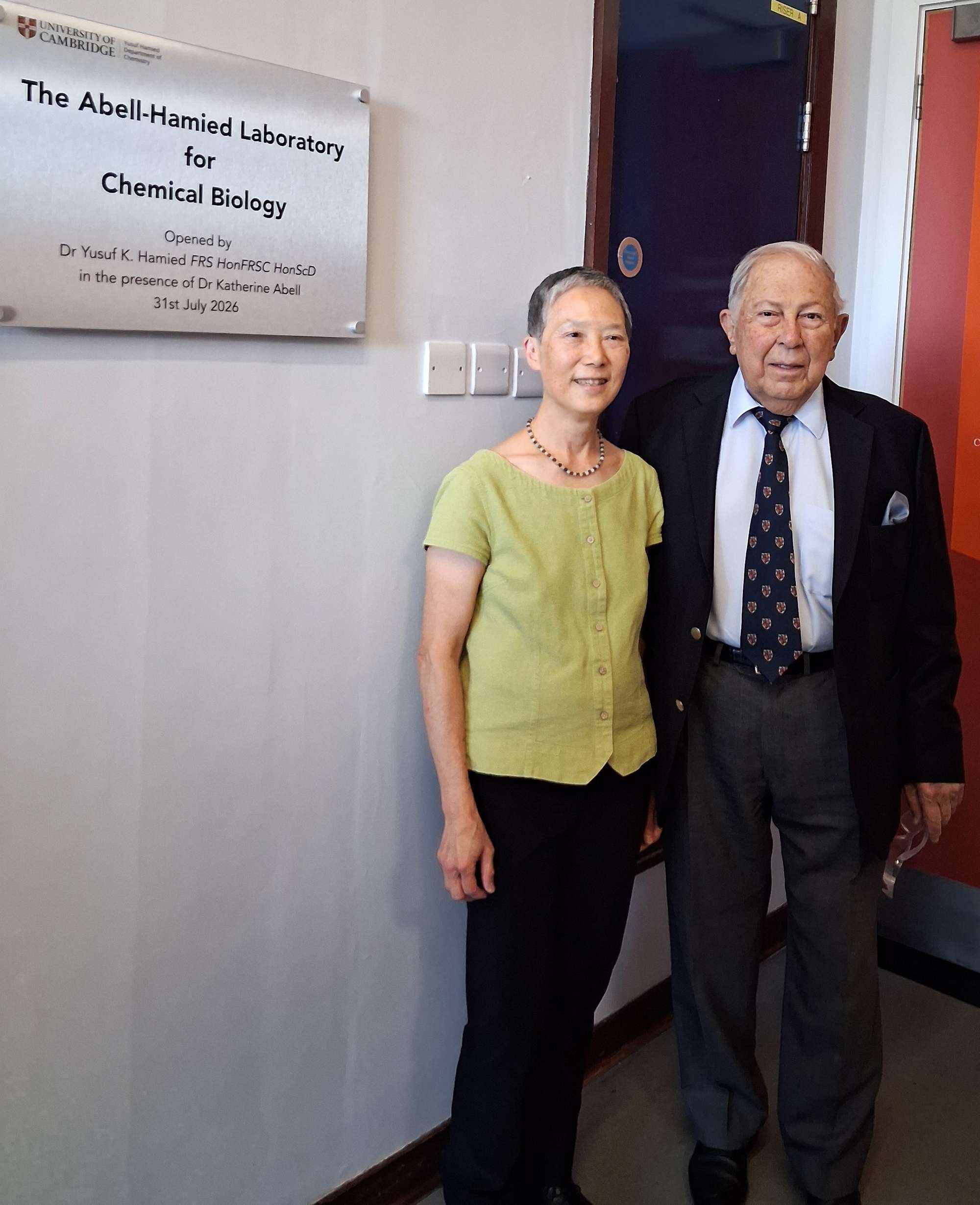 Katherine Abell and Yusuf Hamied Amit Roy
 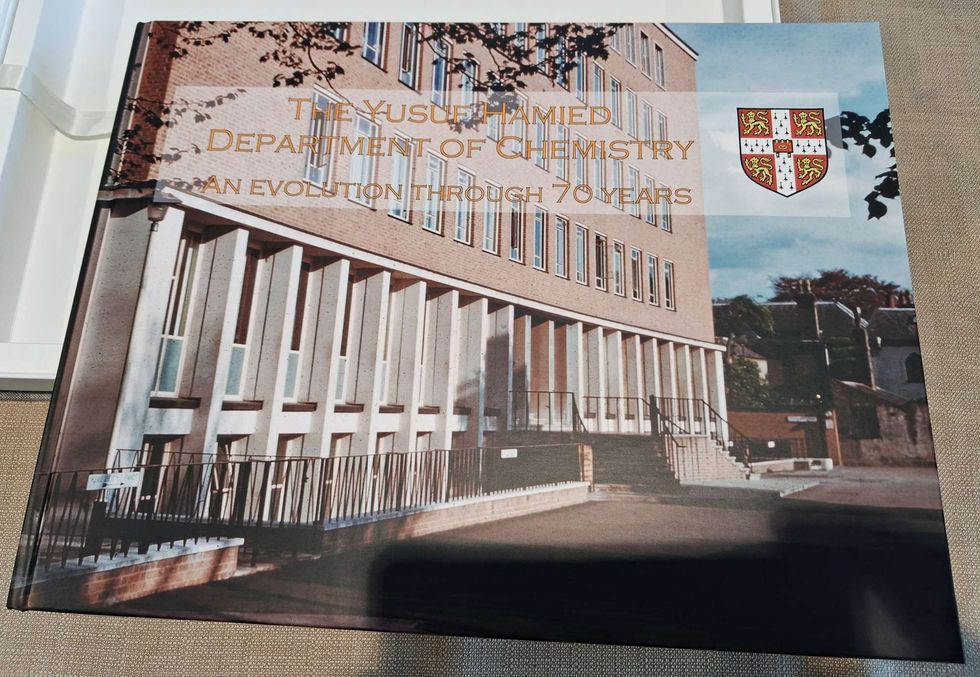 The album gifted to Yusuf Hamied Amit Roy
 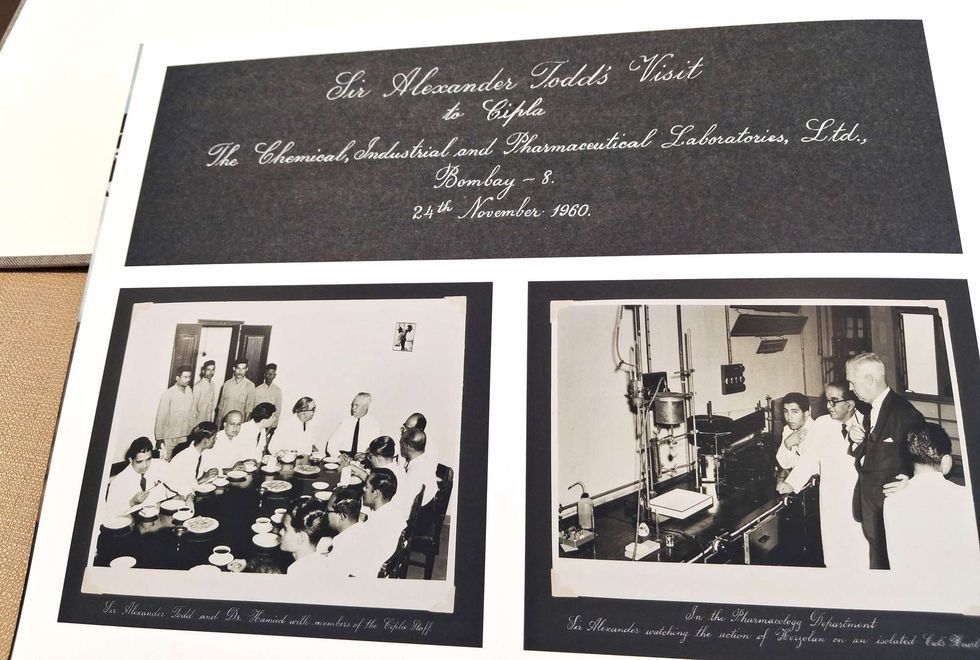 Todd visit to Cipla in Bombay in 1960 (from the album) Amit Roy
  Abell-Hamied plaqueAmit Roy
 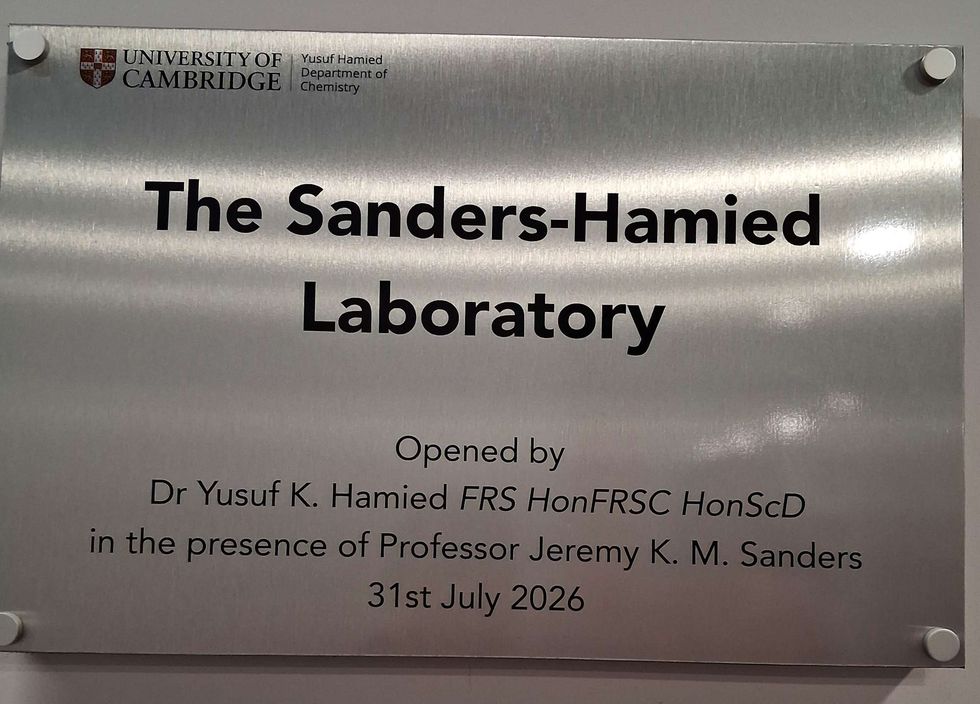 Sanders-Hamied plaque Amit Roy
 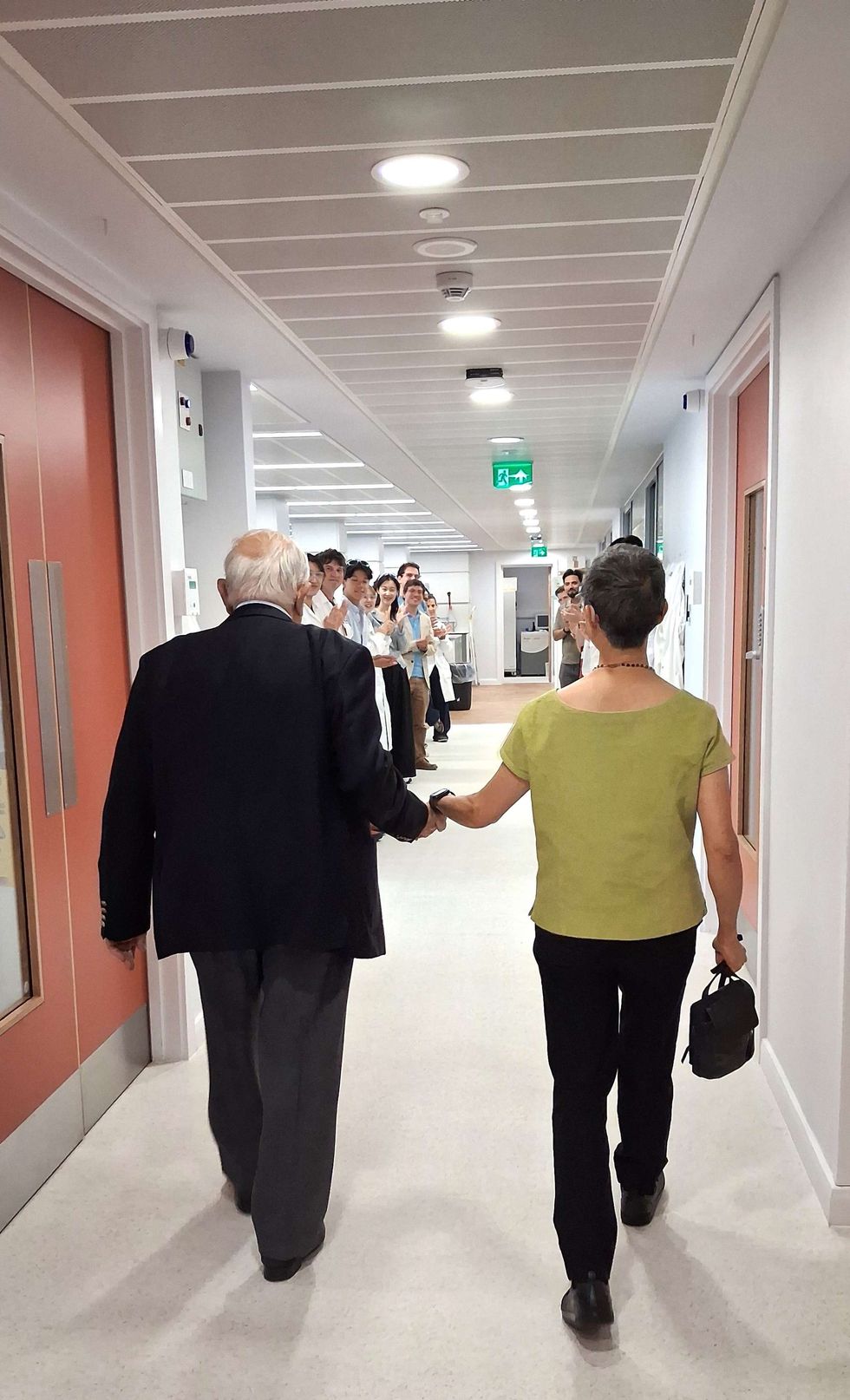 Yusuf Hamed & Katherine Abell meet students Amit Roy
 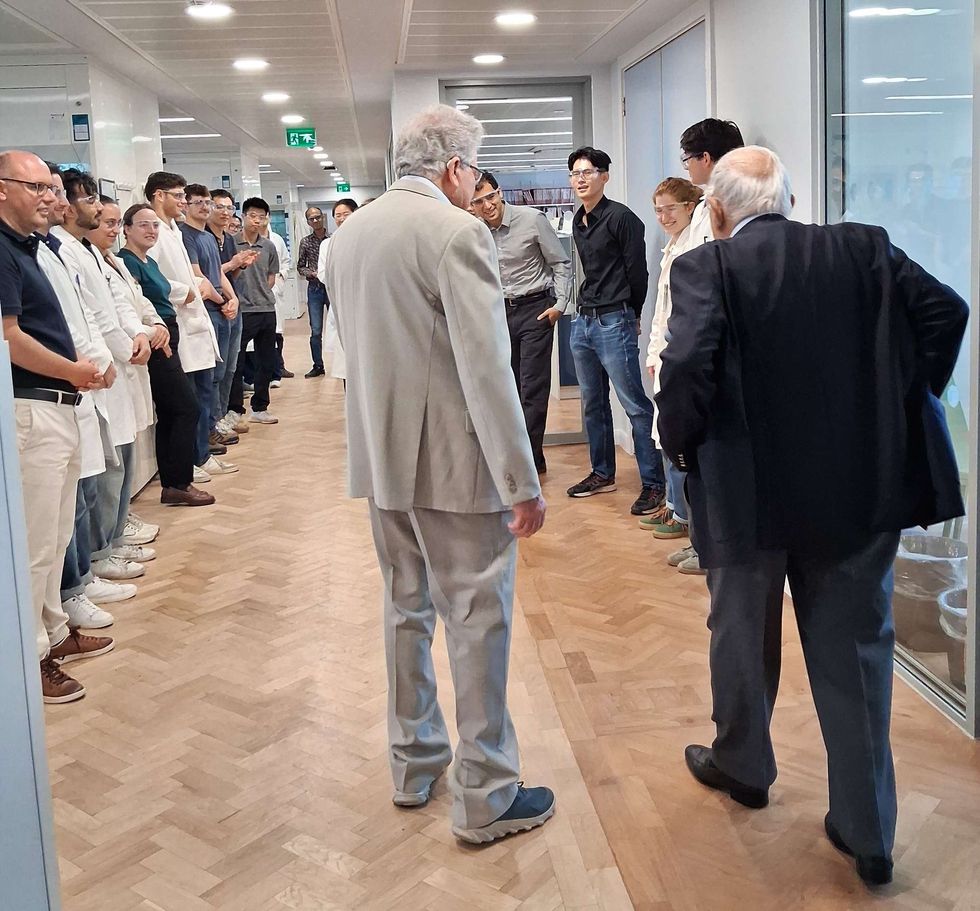 Yusuf Hamied and Jeremy Sanders meet studentsAmit Roy
 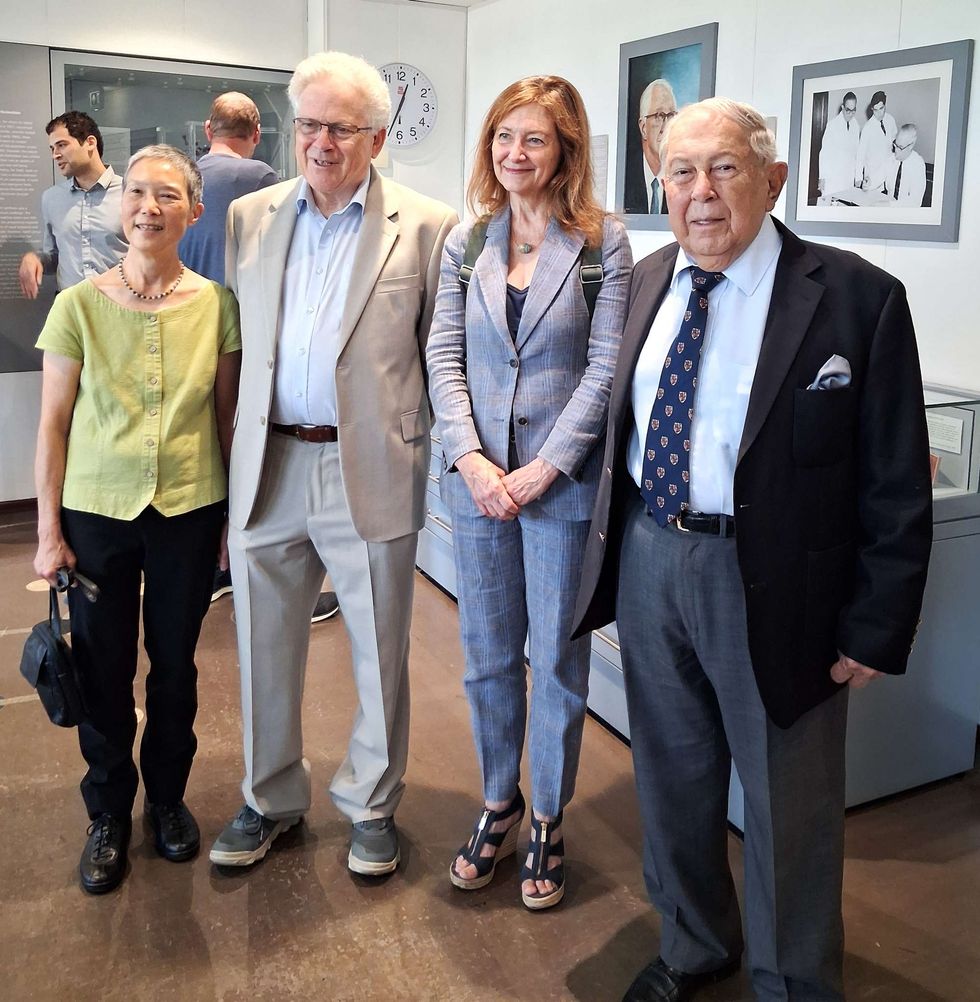 (From left) Katherine Abell. Jeremy Sanders. Deborah Prentice. and Yusuf Hamied Amit Roy
  James Keeler Amit Roy
 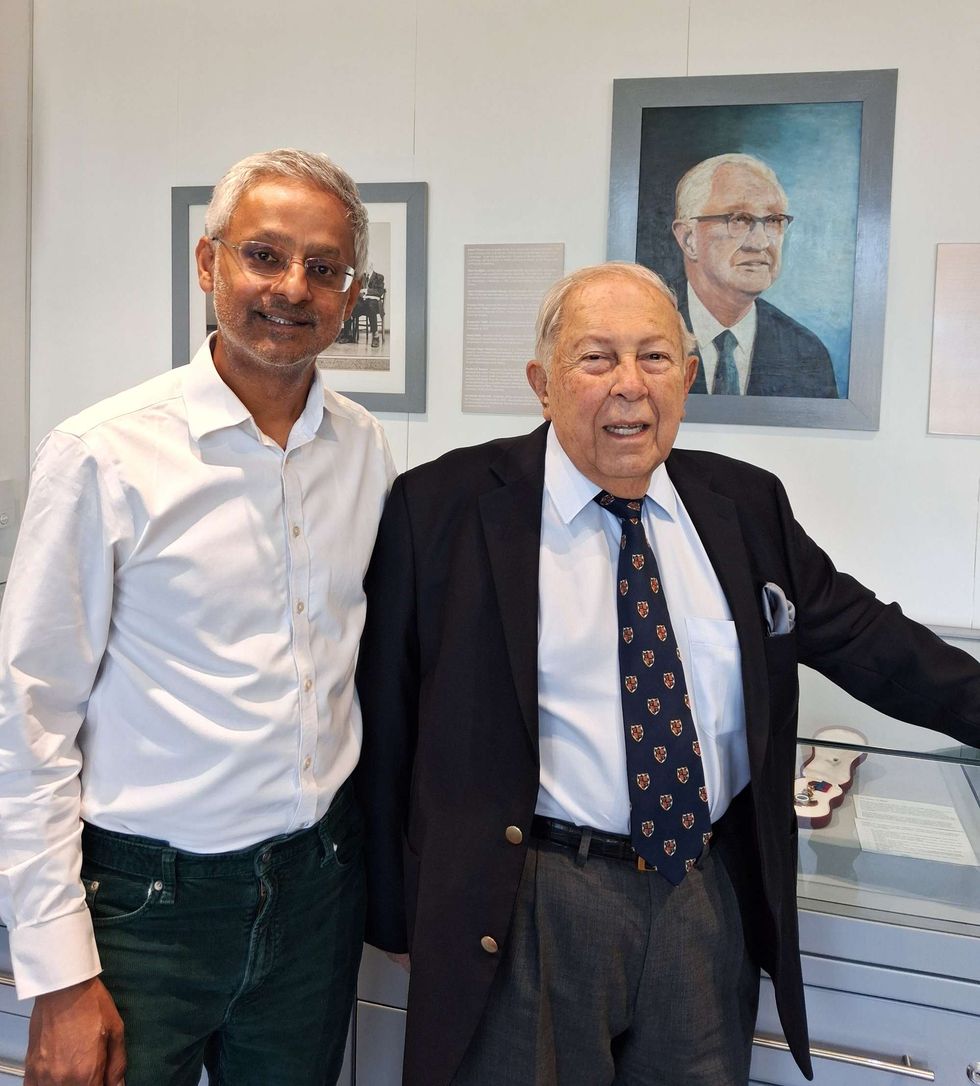 Shankar Balasubramanian with Yusuf Hamed Amit Roy