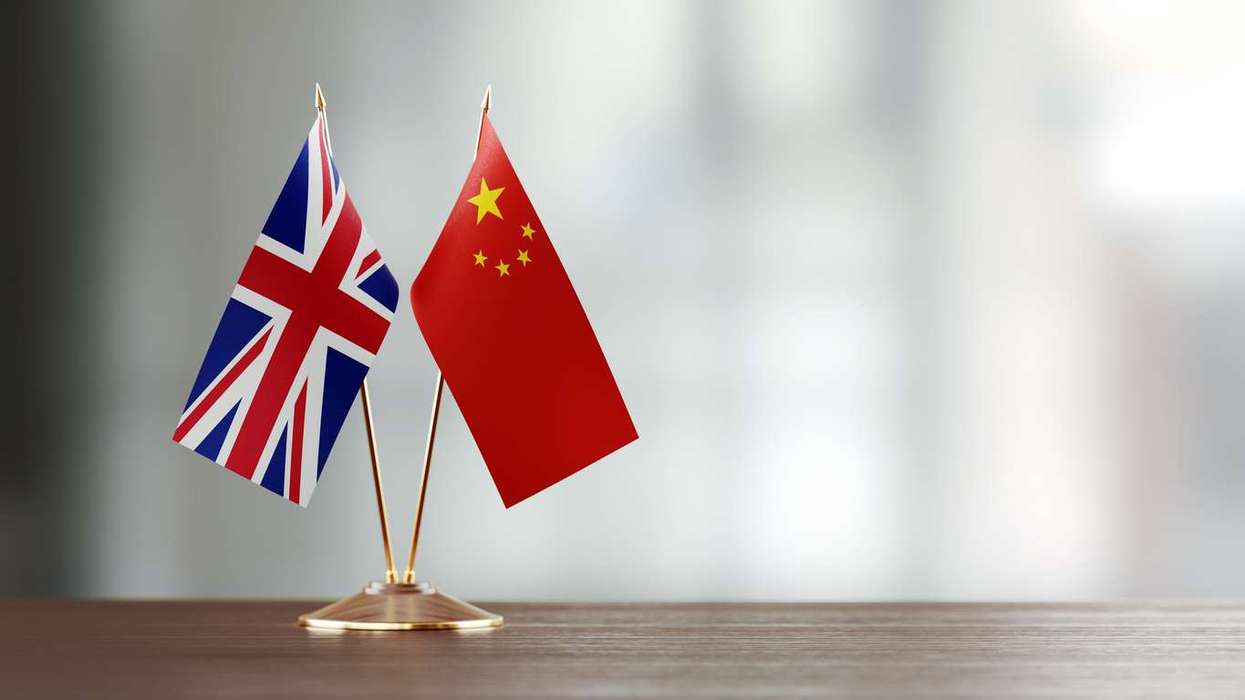

- China has criticised the UK's decision to nationalise British Steel, calling it a violation of Jingye's rights.
- The UK says public ownership is needed to protect jobs and preserve a strategic industry.
- The dispute could add pressure to UK-China relations as the new prime minister prepares to take office.
China has strongly criticised the British Steel nationalisation, accusing the UK government of unfairly taking control of the company and damaging the confidence of Chinese investors.
A day after the UK announced it would bring British Steel into public ownership, China's Ministry of Commerce said it was "firmly opposed and strongly dissatisfied" with the decision. The ministry argued that the move seriously harmed the interests of British Steel's Chinese owner, Jingye Group, and undermined confidence among Chinese businesses investing in Britain.
The UK government, however, said nationalising the loss-making steelmaker was necessary to protect thousands of jobs and secure a strategically important industry. Ministers also argued the move would allow the government to decide the future of the Scunthorpe plant while keeping its blast furnaces operating.
A diplomatic row over a strategic industry
In a statement, China's commerce ministry said the UK had "forcibly" taken control of British Steel in the name of national security, despite Jingye's contribution to the British economy, as quoted in a news report.
The ministry also urged Britain to honour its commitments under the China-UK Bilateral Investment Treaty, warning that Beijing would closely monitor developments and support Chinese companies in protecting their legal rights. It did not explain what action that support might involve.
The dispute comes at a politically sensitive moment, with Andy Burnham due to become prime minister on July 20. The issue is expected to test how the incoming government balances national security concerns with maintaining economic ties with the world's second-largest economy.
Although the UK took operational control of British Steel's Scunthorpe works in 2025, the business remained owned by Jingye, limiting the government's ability to shape its long-term future. That changed after Parliament passed legislation on July 16 allowing ministers to bring steel companies into public ownership where it serves the public interest.
An expensive rescue with an uncertain future
The nationalisation also leaves the government responsible for the company's day-to-day costs.
Jingye has previously said British Steel was losing around £700,000 a day, while the National Audit Office estimated in March that the Scunthorpe steelworks was costing the government about £1.3 million a day to support.
Business Secretary Peter Kyle reportedly said the government would continue covering the company's running costs "for the immediate future".
While public ownership gives ministers greater control over the plant's future, the government is not expected to remain a long-term owner because of the significant financial burden. Instead, nationalisation is widely seen as a temporary measure to keep Britain's last remaining blast furnace steelmaker operating while a longer-term solution is explored.