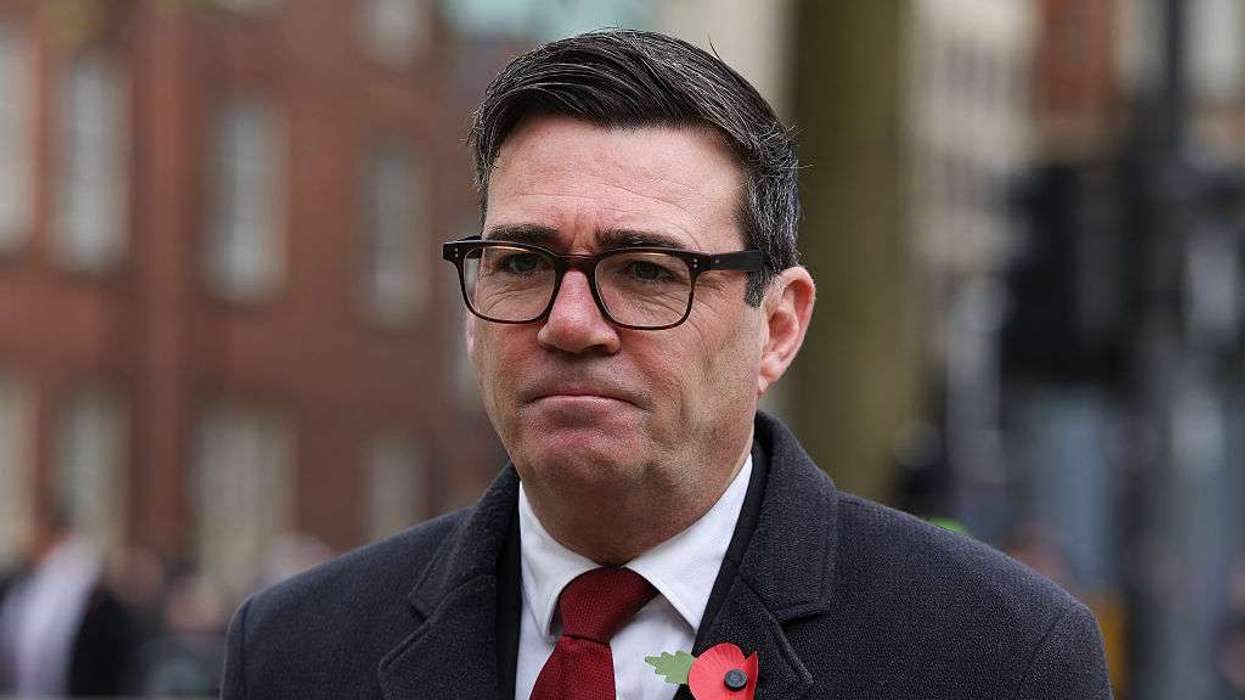

- Andy Burnham said rent controls are among several cost-of-living measures being considered.
- Rental supply in London has already fallen as landlords adjust to recent housing reforms.
- Supporters say rent freezes could protect struggling tenants, while landlords warn they may reduce the number of homes available.
Rent controls are back on the political agenda after prime minister Andy Burnham confirmed his Government is considering freezing rents as part of a wider package of measures aimed at easing Britain's cost-of-living pressures.
The proposal has immediately reopened one of the housing market's longest-running debates. Supporters argue a rent freeze could give tenants much-needed relief as housing costs continue to climb. Critics, however, warn it could persuade more landlords to leave the market, making it even harder for renters to find homes.
Speaking after entering Downing Street, Burnham reportedly said the Government is looking at several measures that could make a difference "this year", including support for energy bills, bus fares and rent controls. He stressed that no final decisions had been made and that further announcements would follow after ministers complete their plans.
A lifeline for tenants—or another blow to supply?
The discussion comes as London's rental market is already showing signs of strain.
Figures from SpareRoom show the number of flatshares available in inner London fell 5 per cent in the second quarter of 2026 compared with a year earlier. Separate data from Rightmove found rental listings across London were down 7 per cent in June from the previous year.
At the same time, average monthly rents across Greater London have climbed to £915, around 33 per cent higher than in 2021, adding to pressure on households already dealing with higher living costs.
Supporters of rent controls argue limiting rent increases could give tenants greater financial certainty and help prevent housing costs from rising faster than incomes.
The proposal would also build on the Renters' Rights Act, introduced in May, which limits rent increases to once a year, ends fixed-term tenancies and bans no-fault evictions.
However, some housing experts believe the legislation has already contributed to a tightening rental market.
Matt Hutchinson, director of SpareRoom, reportedly said it was no coincidence that rental supply fell during the same quarter the new law came into force. He argued that when the number of available homes falls, rents inevitably rise, adding that affordability has become the biggest challenge facing renters.
Landlords warn of unintended consequences
Property owners and industry groups say additional controls could accelerate an existing landlord exodus.
David Coughlin, of the Landlord Sales Agency, reportedly said many landlords had frozen rents voluntarily during the cost-of-living crisis but are now choosing to sell because increasing regulation has made letting less attractive.
The trend appears particularly noticeable in London. Analysis by estate agency Savills found around 30 per cent of homes put up for sale in London during the year to March were previously buy-to-let properties, compared with 13 per cent across the rest of the country.
Jessica Tomlinson, of Savills, reportedly said outer London could be more vulnerable to future shortages because a larger share of rental homes there are owned by smaller landlords, who may be less able to absorb additional regulatory changes than large institutional investors operating in central London.
Alongside rent controls, Burnham said ministers are also considering further measures to ease living costs, including continued support for household energy bills, maintaining lower bus fares and potentially reviewing income tax thresholds, although he acknowledged such changes would have significant consequences for the public finances.
If rent controls are introduced, the debate is unlikely to end with whether rents become cheaper. The bigger question may be whether the policy can make housing more affordable without reducing the number of homes available to rent—a balance successive governments have struggled to achieve.