
Quick highlights
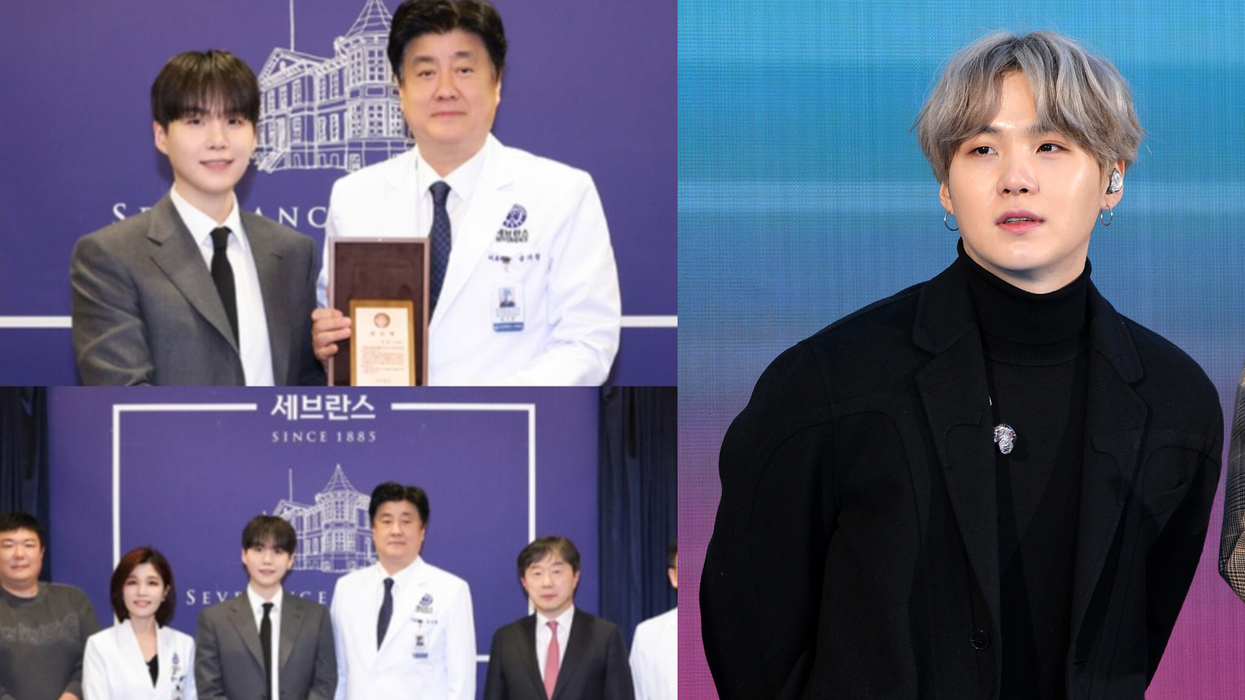
• BTS’ Suga has donated 5 billion won (£3 million / ₹25 crore) to Severance Hospital in Seoul to build a treatment centre for children with autism.
• Named the Min Yoon-gi Centre, the facility is expected to open in September 2025.
• The centre will house the MIND programme: Music, Interaction, Network, Diversity, using music as a tool for therapy and communication.
• Suga was personally involved in developing and piloting the music therapy sessions during his military social service period.
Just days after finishing his 21-month social service, BTS member Suga has made a historic donation of 5 billion won (£3 million) to Severance Hospital to establish a dedicated autism care centre. The new facility will focus on long-term mental health care for children with autism and aims to integrate music into clinical therapy.
How the MIND programme uses music as a communication tool
The centre will house a unique initiative called MIND, short for Music, Interaction, Network, Diversity. The idea first came up in late 2023 when Suga began working with Professor Cheon Keun-ah, a leading child psychiatrist. Together, they developed the programme to help autistic children communicate and build emotional skills through music.
From March to June 2025, Suga volunteered every weekend at the hospital, helping guide children through group music sessions. He played guitar, led rhythm exercises, and encouraged expression through melody. Doctors reported noticeable improvements in children’s behaviour, verbal response, and social interaction over the sessions.
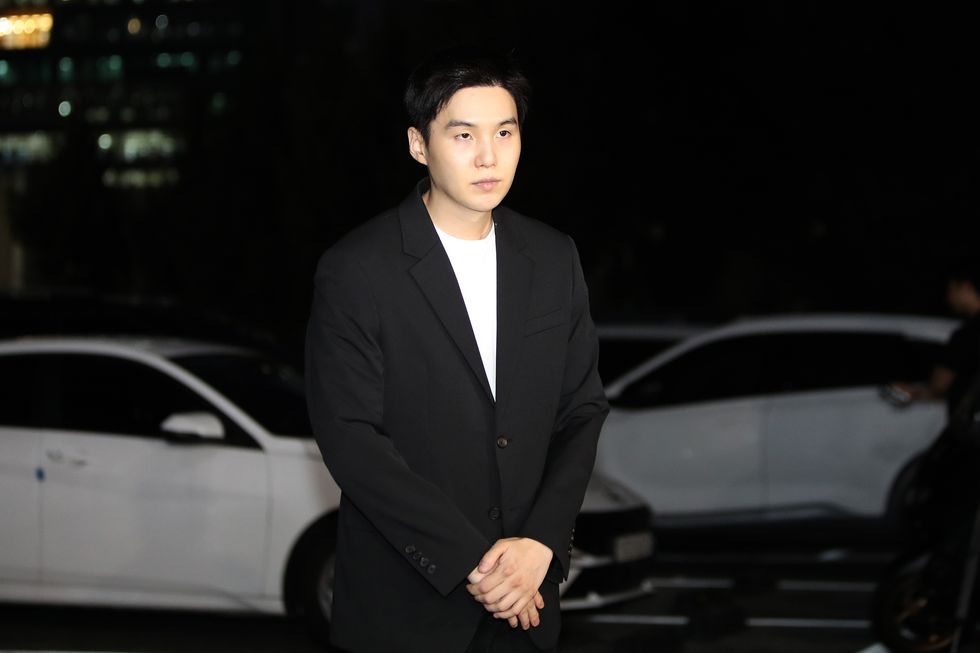 BTS star Suga builds autism treatment centre in Korea with personal 5 billion won donationGetty Images
A personal mission for mental health advocacy
Suga’s interest in mental health support for youth has been a recurring theme throughout his career. However, this initiative marks his most hands-on contribution yet. He not only funded the centre but participated in shaping its approach and testing its impact.
“Music became a bridge that helped these kids express feelings they couldn’t in words,” he shared. “It’s been a privilege to be part of this journey, and I’ll continue supporting them in any way I can.”
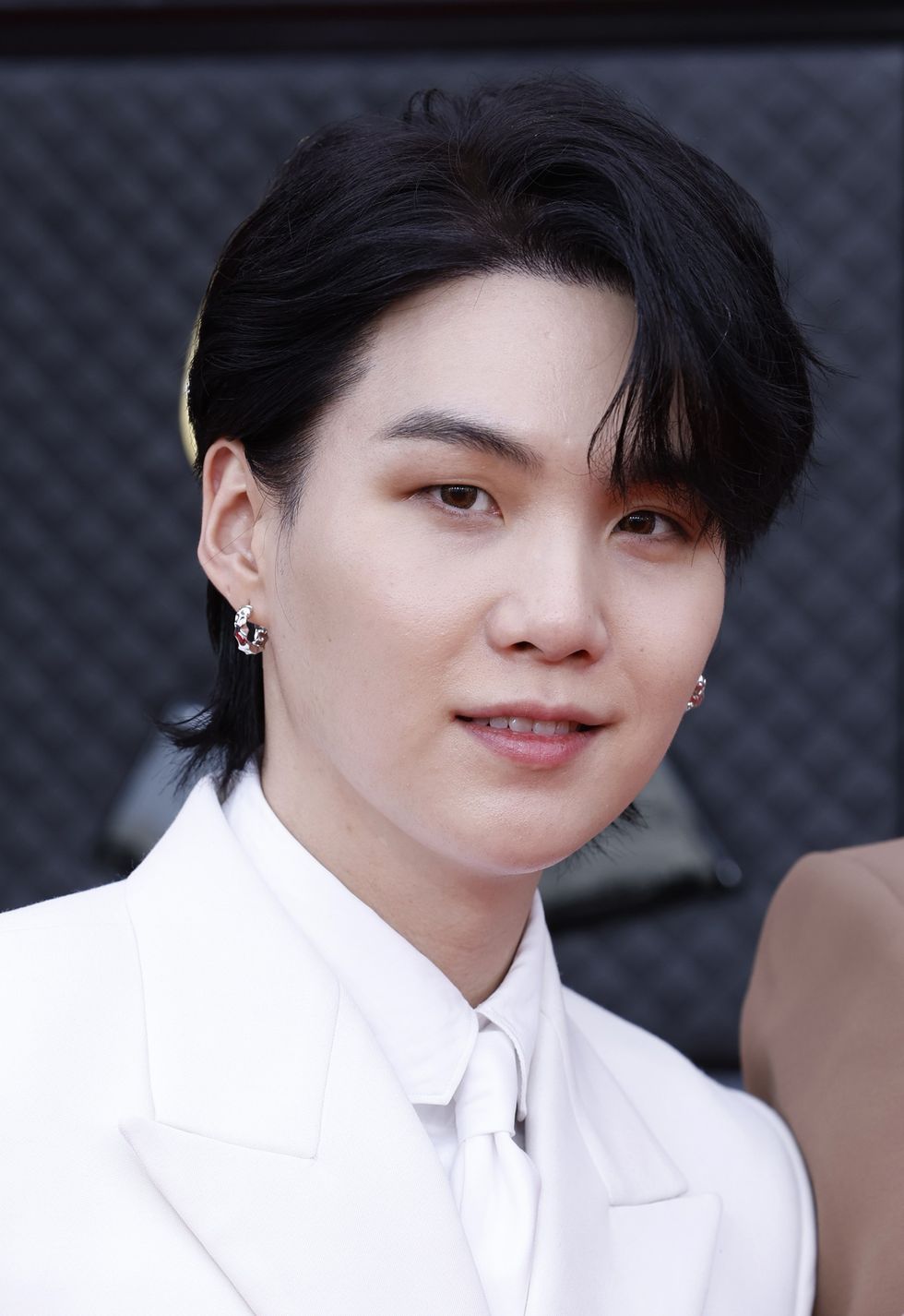 BTS Suga donates nearly £3 million to launch autism centre with music-based therapy in SeoulGetty Images
The Min Yoon-gi Centre will open at Severance’s Sinchon branch in September. Beyond therapy, it will also serve as a research hub for autism-related treatments and train future specialists in music-based interventions.
With this effort, Suga sets a precedent for how artists can meaningfully contribute to mental health advocacy, bringing together art, empathy, and action.