
Highlights
- Bruce Willis’s family plans to donate his brain for scientific study
- Decision follows his diagnosis with Frontotemporal dementia
- Move turns a private health battle into a contribution to future research
A final act beyond cinema
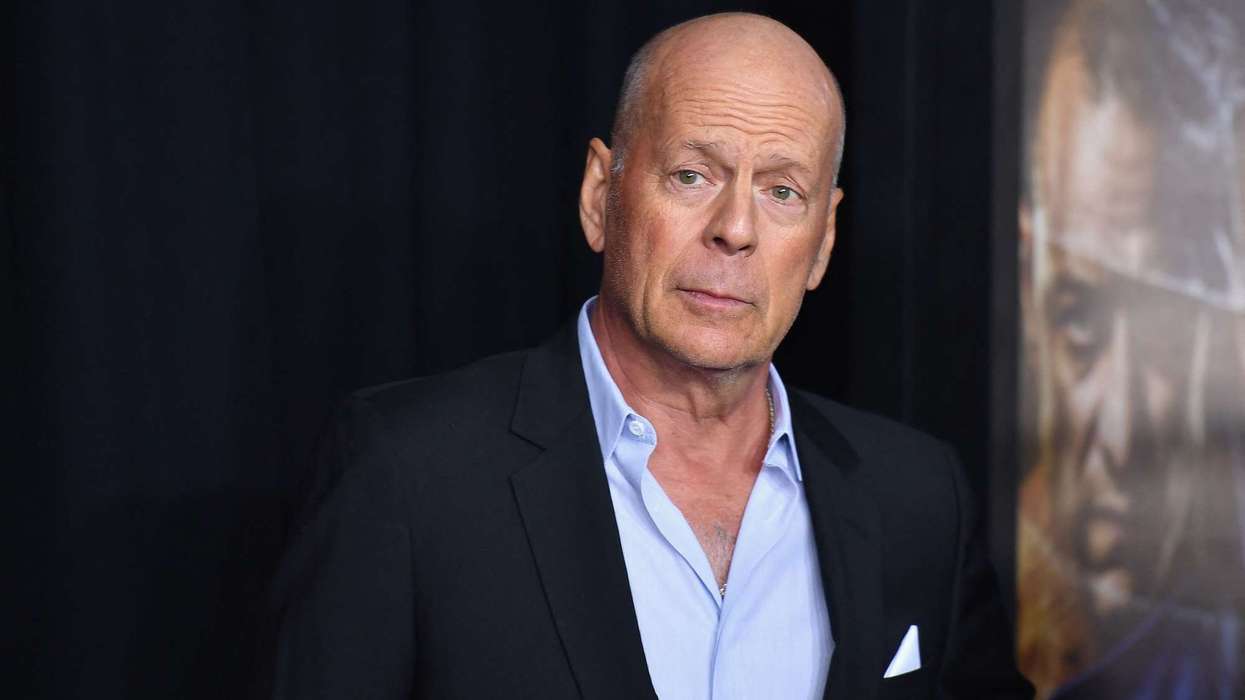
For decades, Bruce Willis defined action cinema through performances in films such as Die Hard and The Sixth Sense. Now, his story is taking a different turn, one that moves away from the screen and into the realm of medical research.
His family has decided to donate his brain to science, transforming a deeply personal chapter into something that could aid understanding of neurological disease. The choice follows his diagnosis with aphasia, which later progressed into Frontotemporal dementia, a condition that affects speech, behaviour and cognitive function.
As his public appearances became limited, his family stepped forward to share updates, making his condition part of a wider conversation about dementia.
When legacy meets science
Brain donation remains one of the most direct ways to advance research into neurodegenerative illnesses. By studying brain tissue, scientists can better understand how conditions like Frontotemporal dementia develop and progress, and why they remain difficult to diagnose early or treat effectively.
In recent years, more families have chosen this path, seeing it as a way to ensure that personal loss contributes to broader medical knowledge. In Willis’s case, the decision reflects both the reality of his illness and the awareness it has generated.
Rewriting the meaning of farewell
The significance of this decision lies not only in research, but in how it reshapes the idea of legacy. Willis’s career has long been associated with memorable roles and global recognition. This step suggests another way his influence may continue.
His family’s openness about his condition has already helped bring attention to the challenges of dementia. By choosing donation, they extend that effort beyond awareness into action.
It turns a moment often defined by loss into one linked with purpose, suggesting that even as his screen career has ended, his impact may continue in a different field.