
Highlights
- Jeremy Wade shares a video testing water from the river Ganga
- The test indicates the presence of faecal coliform bacteria
- Wade reflects on the tension between religious belief and environmental reality
- The clip prompts strong and divided reactions on social media
A simple test with stark results
A video shared by British biologist and television presenter Jeremy Wade has reignited discussion around pollution in the river Ganga. Posted on Instagram, the clip shows Wade carrying out a basic water quality test using a container treated with chemicals that change colour when contaminants are present.
Explaining the process, Wade notes that a deep pinkish-brown shade signals clean water. He first tests bottled mineral water to demonstrate the expected result before turning to a sample taken from the Ganga.
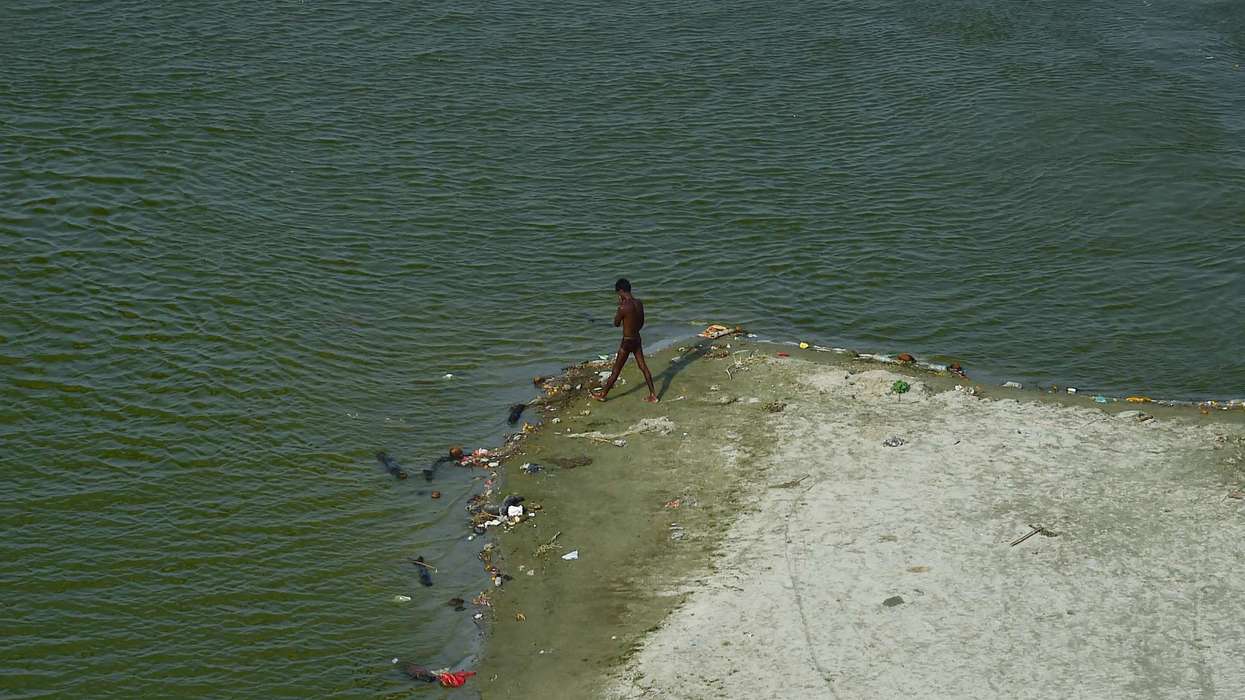
When tested, the river water changes to a light brown colour. Wade explains that this indicates the presence of faecal coliform bacteria, adding that it points to contamination by human waste.
Addressing a sensitive subject
Wade goes on to acknowledge the cultural and religious sensitivity surrounding the Ganga, which is revered by millions of Hindus. He says that highlighting pollution in the river can be deeply offensive to some believers.
Recounting an encounter with a holy man during his visit, Wade describes being invited to take part in a ritual bath. Faced with what he calls an awkward decision, he chose to participate so as not to cause offence.
Immersion and unease
The video shows Wade entering the river and attempting to follow the ritual. He later admits he did not realise swimming formed part of the practice. While he describes the water as refreshing, he also remarks on the unsettling sensation of what he could feel beneath the surface.
At one point, the holy man is seen drinking the river water. Wade stops short of doing the same, saying he only touches the water to his mouth. He adds that while he felt energised afterwards, he remained unsure about the potential health consequences.
Online reactions pour in
The clip quickly drew strong responses on social media. Several users criticised what they see as blind faith overshadowing environmental responsibility, while others questioned the effectiveness of long-running river-cleaning efforts.
Comments ranged from frustration over public funds spent on clean-up campaigns to broader concerns about the balance between belief, science and education.