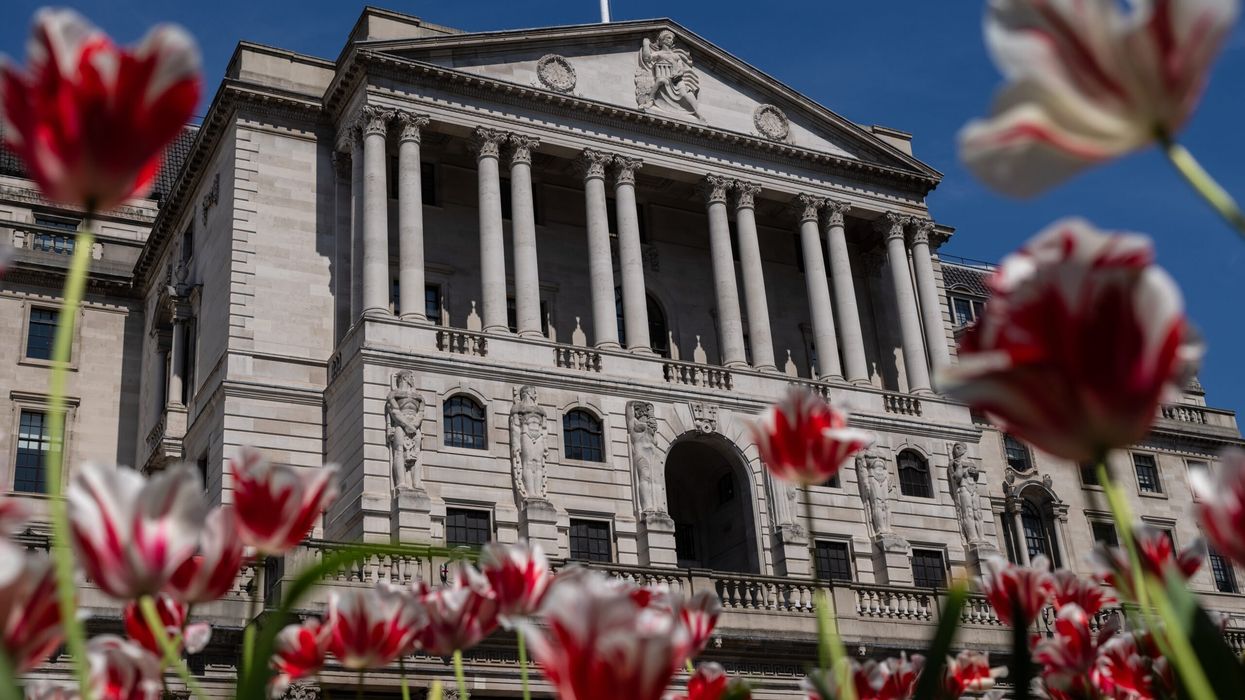

The Bank of England held its main interest rate at 5.25 per cent, a 16-year high, in its final meeting before the UK election on 4 July.
The decision, voted 7-2 by the Monetary Policy Committee, aligned with expectations from a Reuters poll of economists. Deputy governor Dave Ramsden and external MPC member Swati Dhingra were the only members supporting a cut to 5 per cent.
BoE governor Andrew Bailey noted the recent inflation figures, showing it back at the 2 per cent target, as "good news" but stated it was premature to reduce rates. "We need to be sure that inflation will stay low and that's why we've decided to hold rates at 5.25 per cent for now," he said. Previously, Bailey had expressed optimism about data moving towards a rate cut.
Following the announcement, sterling dropped against the US dollar, and British government bond yields decreased. Investors now see a higher likelihood of an early rate cut, with markets pricing in a 55 per cent chance for a cut on 1 August, up from 30 per cent before Thursday's decision.
The BoE's decision comes after the European Central Bank's rate cut earlier this month and the Swiss National Bank's second rate cut of 2024. The Federal Reserve is expected to begin lowering US rates in September, while economists predict the BoE might start earlier.
"We still expect the MPC to cut rates in August but this is not a done deal," said Alpesh Paleja, interim deputy chief economist at the Confederation of British Industry.
Any rate cut may not benefit prime minister Rishi Sunak, whose Conservative Party trails the opposition Labour Party by about 20 points in pre-election polls. Sunak, who took office in October 2022, has claimed credit for the fall in inflation, but Labour attributes high mortgage rates to economic mismanagement by former Conservative leader Liz Truss.
The BoE clarified that the upcoming election did not influence its decision.
The BoE anticipates inflation to rise above target as past energy price decreases phase out of the annual data, maintaining its May forecast of around 2.5 per cent inflation in the second half of 2024. The policy minutes highlighted that some MPC members found the decision to hold rates "finely balanced," indicating a potential rate cut.
Indicators of inflation persistence, such as wage growth and services inflation, have moderated but remain high since the May meeting. MPC members with a "finely balanced" view placed less emphasis on higher-than-expected May services inflation, attributing it to a nearly 10 per cent rise in Britain's minimum wage and annual indexed price increases from past inflation.
"The fact that the decision was described as 'finely balanced' for some of those voting to hold is a signal that an August rate cut is firmly in play," said Peter Arnold, chief economist at EY UK. However, other MPC members believe it is too soon to cut rates, citing high services price inflation and faster-than-expected wage growth.
Since the election campaign began, the BoE has been in a self-imposed period of silence, cancelling public events. Prior to this, BoE chief economist Huw Pill advised against an excessive focus on a June rate cut, while he and deputy governor Ben Broadbent, who steps down this month, acknowledged a possible rate cut over the summer.
The BoE started raising rates in December 2021, earlier than other major central banks, reaching the current peak in August 2023.
(Reuters)