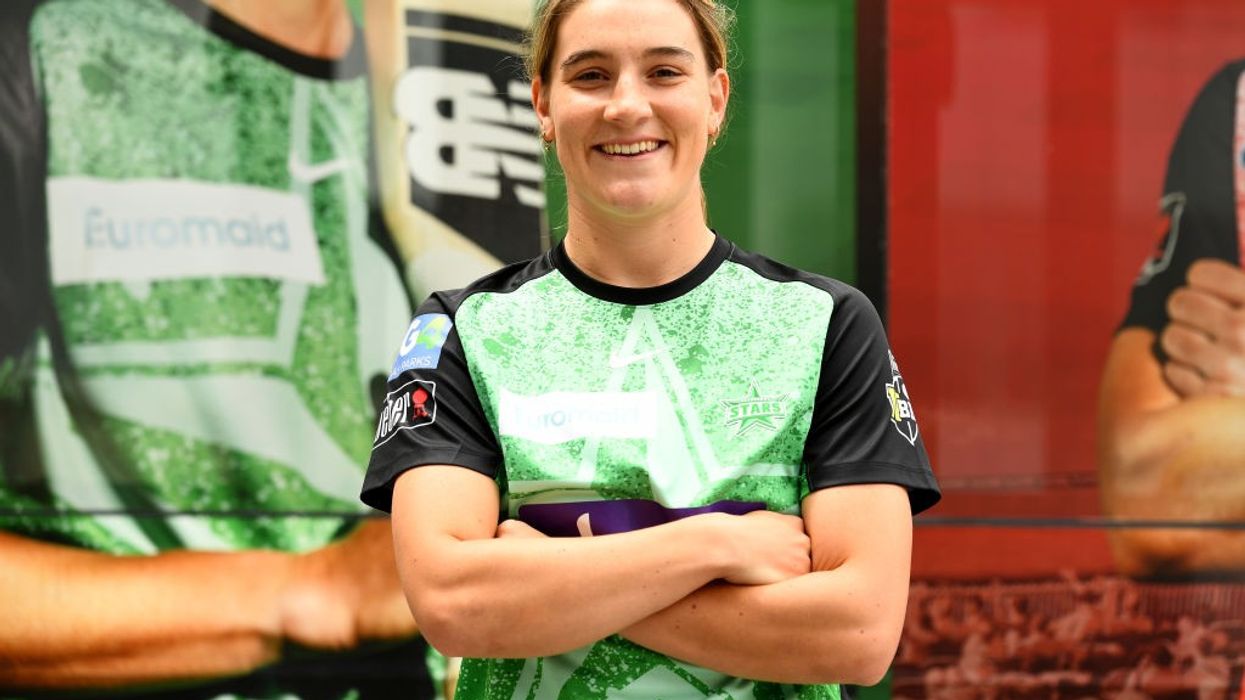

SOME of the world's top women cricketers netted lucrative deals during Saturday's (9) Women's Premier League auction in India, with Australian all-rounder Annabel Sutherland snapped up for $240,000 by Delhi Capitals.
Sutherland, 22, hails from a prominent cricketing family and was the equal most-expensive player at auction alongside Indian all-rounder Kashvee Gautam, who will play for the Gujarat Giants.
Nita Ambani, wife of Asia's richest man Mukesh Ambani and owner of the Mumbai Indians franchise, bid several times for Sutherland before losing out to Delhi ahead of the second WPL season next year.
A total of 165 cricketers participated in Saturday's auction, with South Africa's Shabnim Ismail and Australia's Phoebe Litchfield among the most highly sought foreign players.
The Indian Premier League has transformed the fortunes of cricket globally since its first season in 2008, and the five-team women's game has already proved a tidy earner for India's cricket board.
Franchise rights were auctioned off in January for $572.5 million, while media rights for the first five seasons of the new league were sold to Viacom18 for $116.7m.
The two deals made the WPL the second-most valuable women's league after the WNBA women's basketball in the United States.
All-format India captain Harmanpreet Kaur led Mumbai to victory in the inaugural season with a seven-wicket win over Delhi in March.
(AFP)