
TENS of thousands of anti-Shiite protesters including demonstrators linked to Sunni extremists rallied in Pakistan's Karachi on Saturday(12), in the second day of protests that have sparked fears of sectarian violence.
Vast crowds of men thronged downtown Karachi -- Pakistan's largest city and a major business and industrial hub -- many of them waving pro-Sunni flags and chanting Sunni-power slogans.
The rallies follow a raft of blasphemy accusations against Shiite leaders in Sunni-majority Pakistan after a broadcast of an Ashura procession last month showed clerics and participants allegedly making disparaging remarks about historic Islamic figures.
Ashura commemorates the killing of the Prophet Mohammed's grandson Hussein at the Battle of Karbala in 680 AD -- the defining moment of the religion's schism and the birth of Shiite Islam.
A security official told AFP Saturday's crowd was estimated to exceed 30,000 people. There were no immediate reports of violence.
The rally was organised by the Sunni organisation Jamaat Ahle Sunnat and by the hardline Islamist party Tehreek-e-Labbaik Pakistan (TLP), which has organised huge and often violent protests over alleged blasphemy in the past.
"If you play with the religious sentiments of the Sunni, we will not tolerate it," Karachi TLP chief Allama Abid Mubara told the rally.
Sunni people could ultimately "get their heads cut off, but can also behead other people," he added.
But Mufti Muneeb-ur-Rehman, who was the event's main speaker, insisted the rally aimed to "promote peace."
"Our movement is not against any sectarian group, our movement is against those individuals who desecrate our revered personalities," he said.
Blasphemy is a hugely sensitive issue in conservative Pakistan where laws can carry the death penalty for anyone deemed to have insulted Islam or Islamic figures.
Even unproven allegations have led to mob lynchings and vigilante murders.
Sectarian violence has erupted in fits and bursts for decades in Pakistan, with anti-Shiite militant groups bombing shrines and targeting Ashura processions in attacks that have killed thousands.
A crackdown by security forces culminated in July 2015 when Malik Ishaq -- the chief of banned Sunni group Lashkar-e-Jhangvi (LeJ) -- was killed in a firefight with police along with 13 fellow militants.
The shootout wiped out much of the top leadership of LeJ, a driving force in the violence targeting Shiites, who make up around 20 percent of Pakistan's 220 million population.
Karachi was once rife with political, sectarian, and ethnic militancy with thousands killed.
A years-long operation by security forces starting in 2013 has brought a considerable lull in the violence, but scattered attacks still take place.





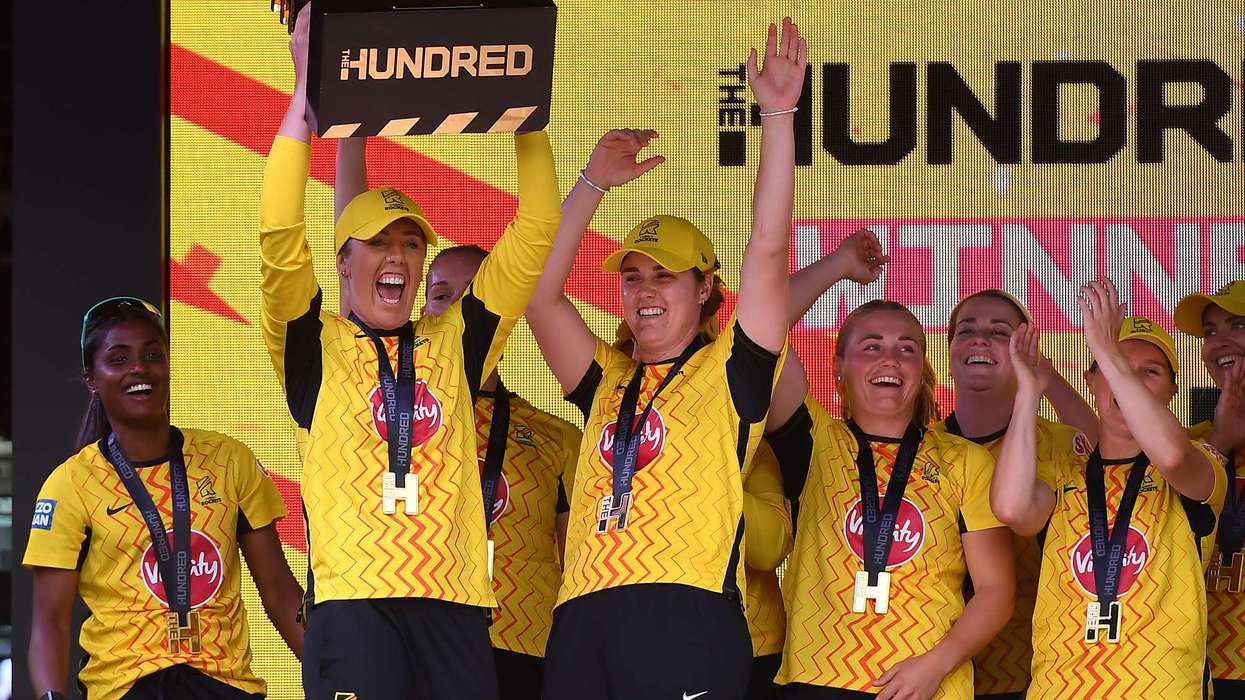
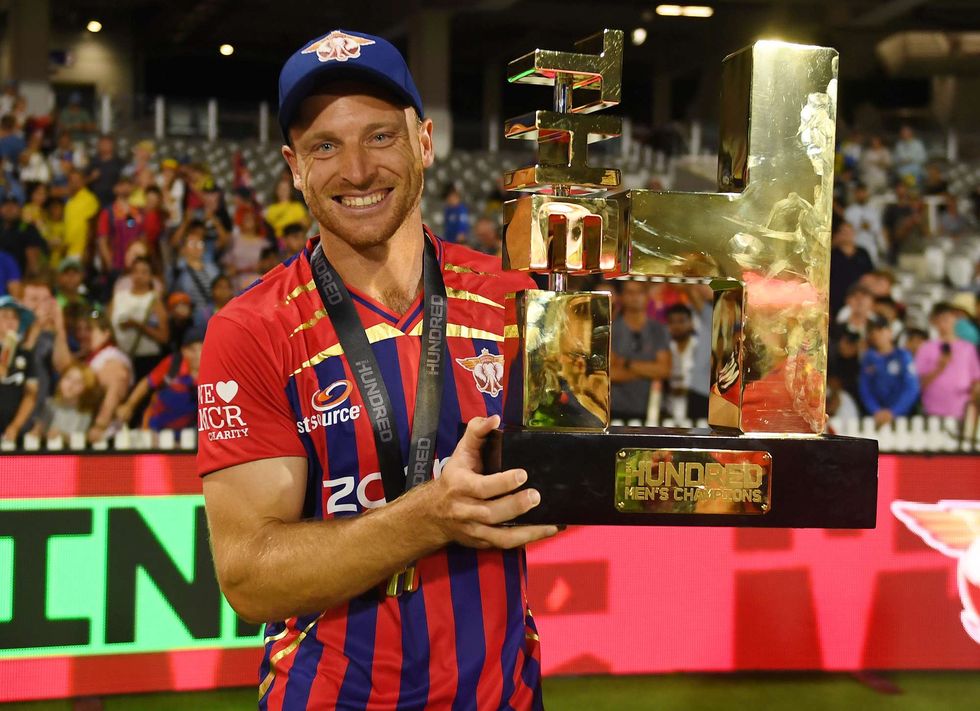 Lift their trophies after their respective victories in The Hundred finals at Lord’s in London on August 16Philip Brown/Getty Images
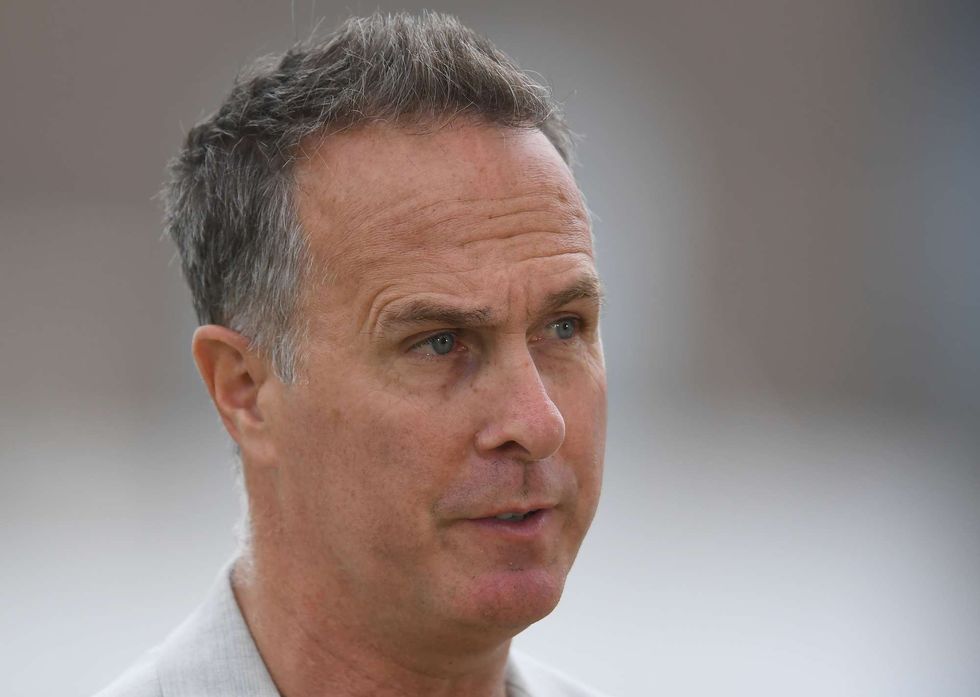 Michael VaughanPhilip Brown/Getty Images
 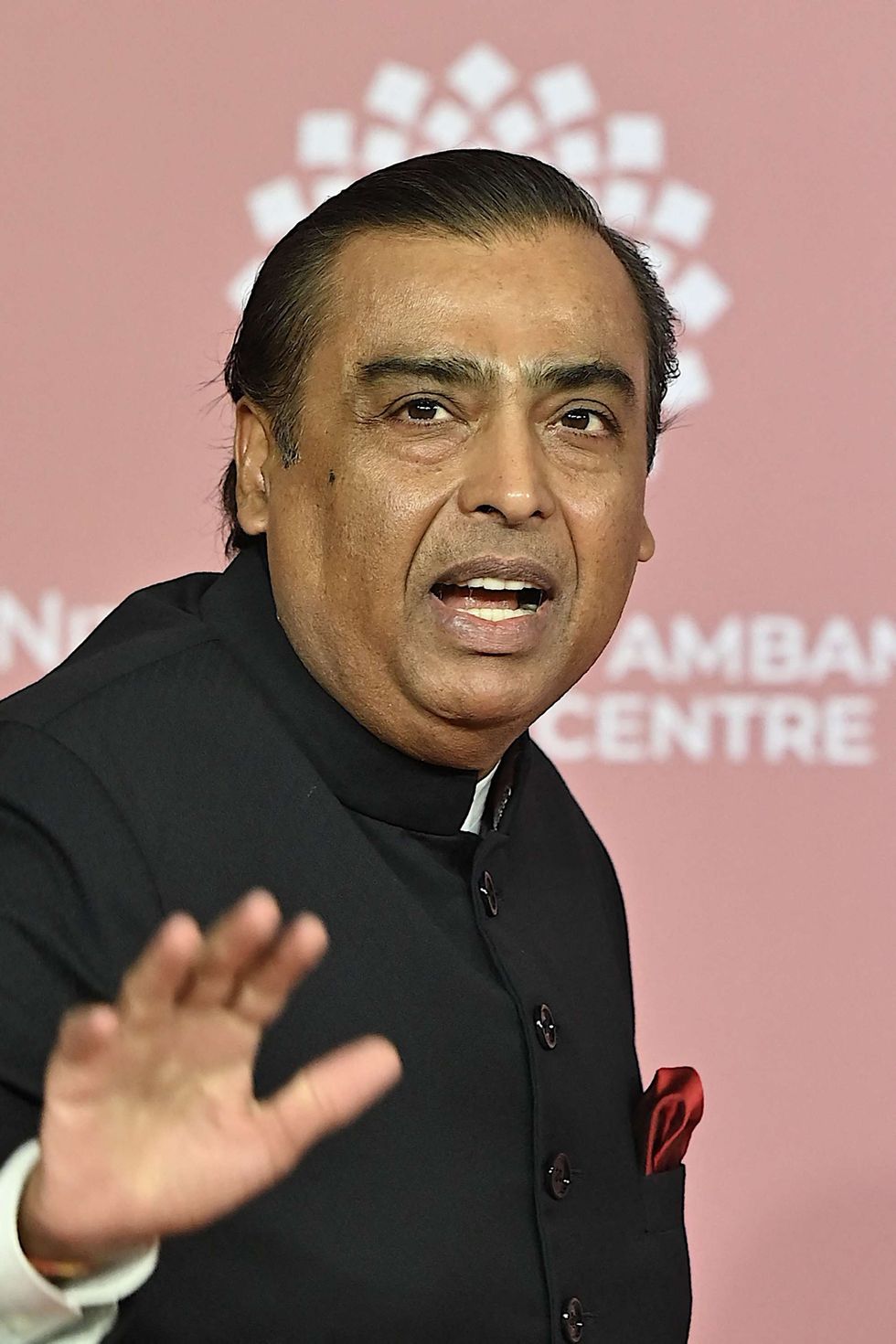 Mukesh AmbaniSujit Jaiswal/AFP via Getty Images
 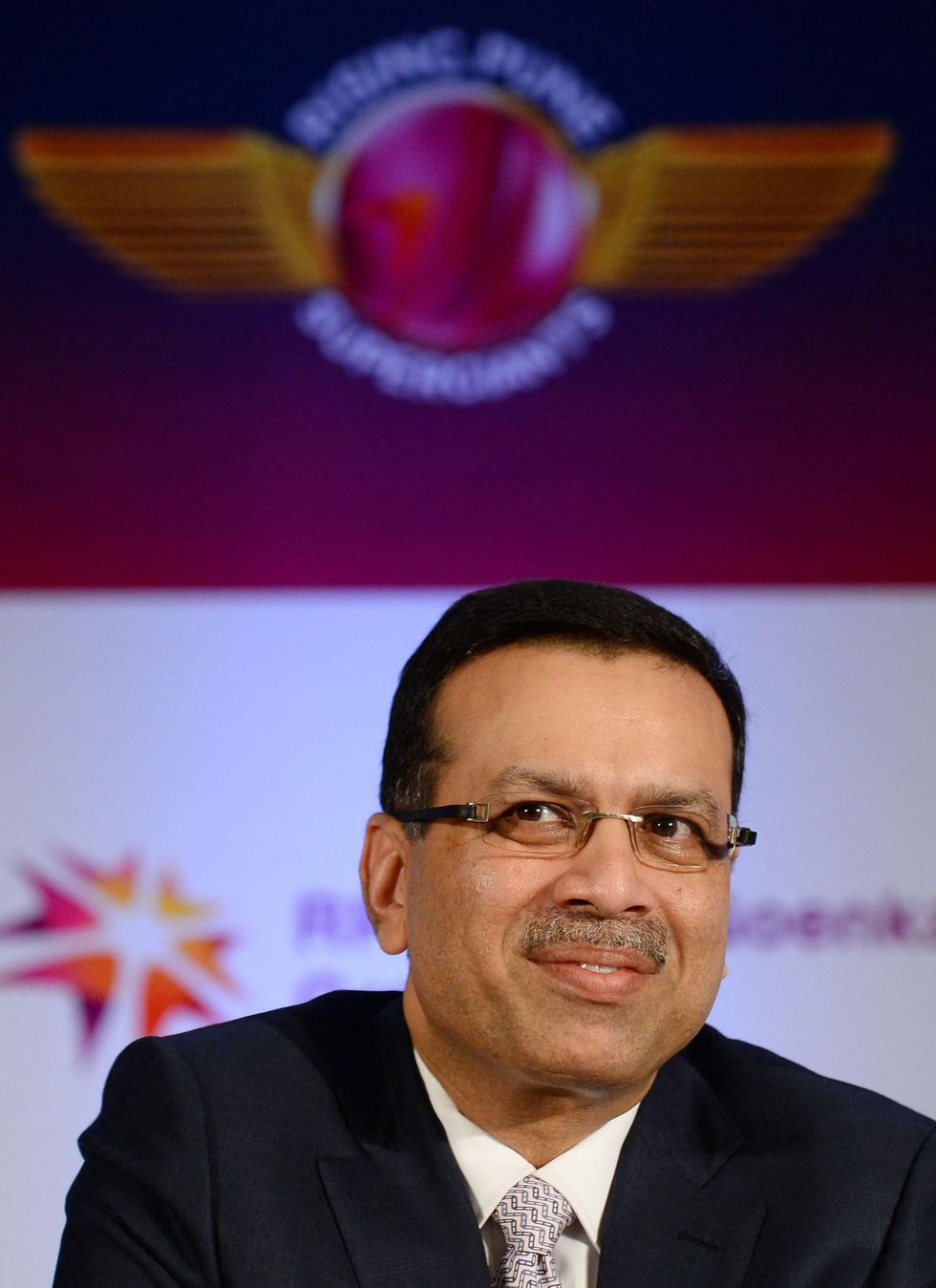 Sanjiv GoenkaSajjad Hussain/AFP via Getty Images