
Highlights:
- One in four UK health workers reported lasting COVID symptoms.
- 26.5 per cent of health workers worldwide still had symptoms after a year.
- Fatigue was the most common problem, affecting 35 per cent.
- Brain fog, headaches and loss of taste or smell were also common.
- Many health workers felt they had to keep working despite being unwell.
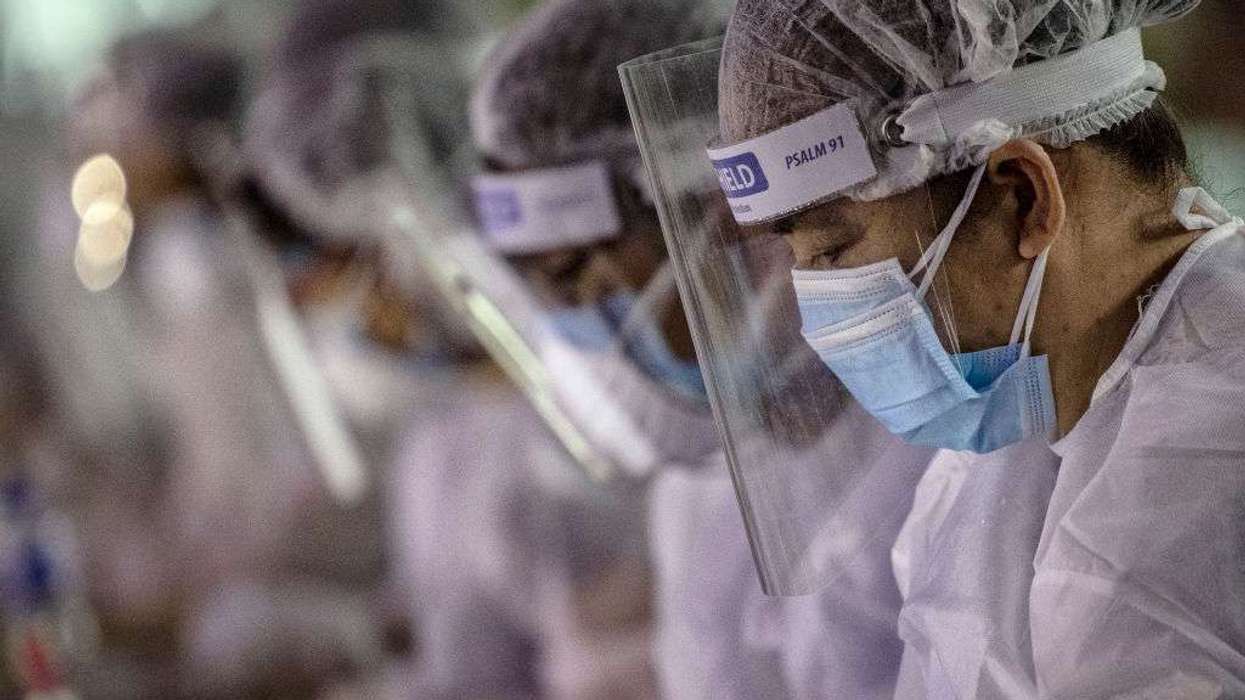
Almost six years after COVID-19 first changed the world, health workers are still living with the consequences of the virus.
For many of the people who cared for patients during the pandemic, the crisis did not end when lockdowns were lifted or hospitals returned to normal. Some health workers are still dealing with tiredness, brain fog, breathing problems, pain and other long-COVID symptoms.
A new report looking at the long-term impact of COVID-19 on the healthcare workforce shows just how deep that impact has been.
The report was produced by the NHS Race and Health Observatory in partnership with the University of Leicester, the University of Nottingham and University College London. Researchers looked at studies from around the world, surveys of UK health workers and interviews with workers and their managers.
The global review included 28 studies covering 6,481 health workers. It found that around 40 per cent of health workers who had COVID-19 were still experiencing long-COVID symptoms after an average of 22 weeks.
Even after a year, the problem had not gone away. More than one in four, 26.5 per cent, were still experiencing symptoms.
Fatigue was the most common complaint, affecting 35 per cent of health workers. Around one in four reported neurological problems such as brain fog and headaches. A similar number experienced a loss of taste or smell. Muscle pain affected 22 per cent, while 19 per cent had shortness of breath.
The UK figures were also worrying. Among health workers who had previously contracted COVID-19, 23 per cent reported symptoms lasting at least five weeks in a survey conducted between December 2020 and March 2021. In a later survey, 27 per cent said their symptoms had lasted at least 12 weeks.
Women, health workers with existing health conditions, and those who had more severe COVID-19 infections were more likely to report long COVID. Nurses, allied health professionals, and administrative staff also appeared to face a greater risk.
Vaccination was linked to a lower risk of prolonged symptoms. Researchers found that health workers who had received more vaccine doses before infection were less likely to report long COVID.
But for many health workers, the struggle was not only about their health. It was also about trying to stay at work.
Interviews showed that exhaustion, poor concentration, and sudden relapses could make even normal working days difficult. Some workers felt pressure to “keep going” because they did not want to let their colleagues or patients down.
Others worried that they would be judged for taking time off or asking for help. This meant some continued working while ill and delayed seeking support.
The report says health workers need better support, including reduced hours, lighter or modified duties and phased returns to work. It also recommends better access to physical, psychological and occupational therapy.
Almost six years on, the message is simple: the pandemic may be over, but for many health workers, its effects are still part of their working lives.



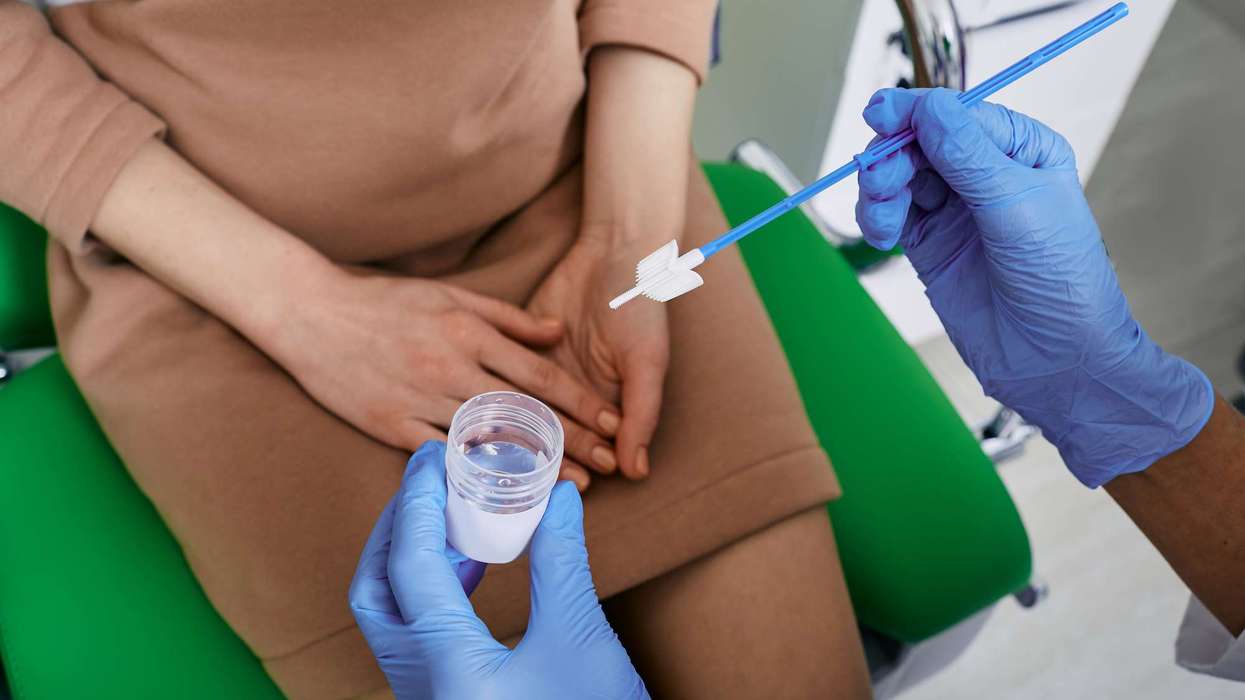
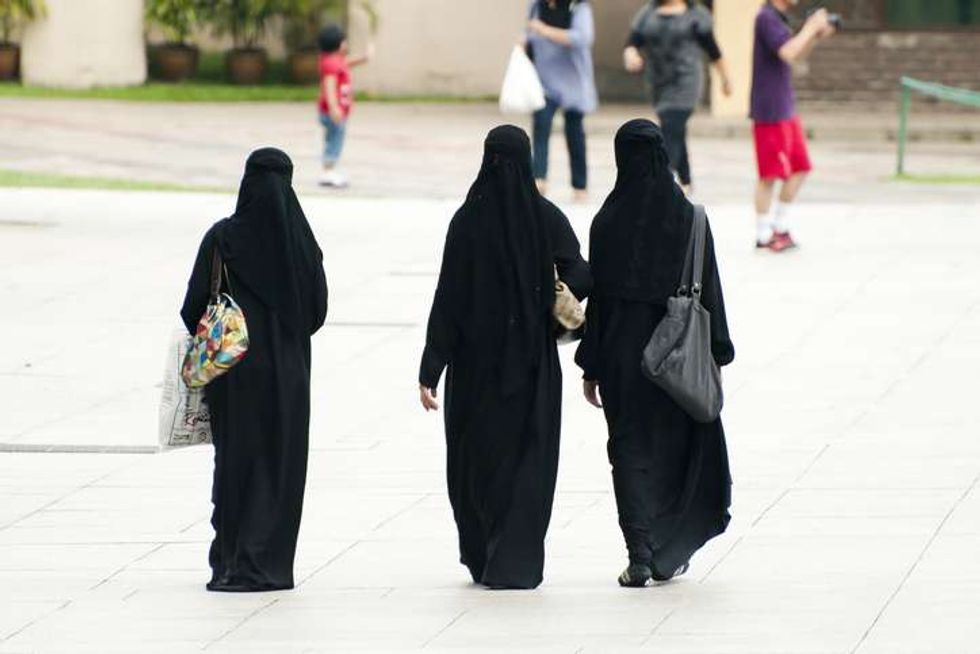 The research found that South Asian women were more likely to describe smear tests as embarrassing, with 71 per cent to 91 per cent of South Asian participants agreeing with that description compared with 28 per cent of White British women.iStock
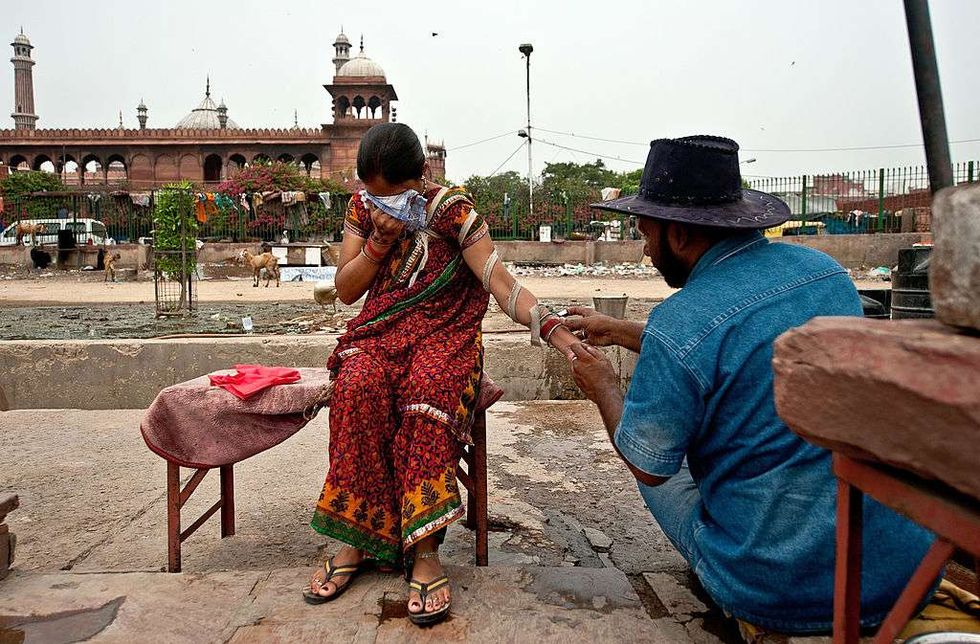 O GO WITH India-therapy-health-doctors,FEATURE by Rupam Nair In this photograph taken on July 2, 2013 an Indian woman covers her face in pain as she is cut on her hand by Mohammed Iqbal, (R), son of elderly doctor Mohammed Gyas, at their open air clinic outside the Jama Masjid in the old quarters of Delhi. Among a handful of poorer, and sometimes remote, communities in India, traditional practices like bloodletting are favoured. About 50 patients queue each day at the open-air clinic in the shadow of India's largest mosque, the Jama Masjid, for the treatment which Gyas says can cure everything from paralysis to diabetes and even cervical cancer. Getty Images
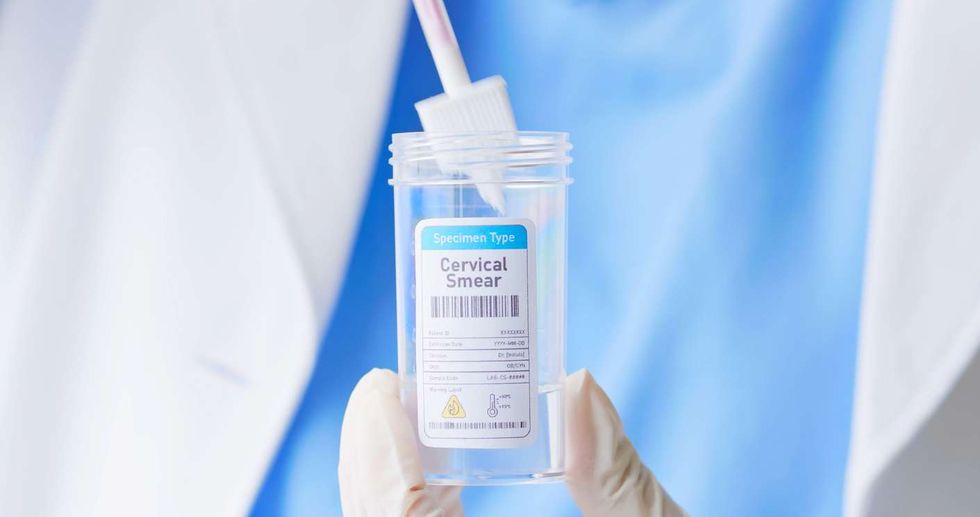 Bryant had cancerous cells discovered during screening when she was 32. iStock