
- Alcohol-free beer and hummus have been added to the UK inflation basket.
- Premium bottled lager has been removed from the list used to track prices.
- The ONS will also start using supermarket scanner data to improve inflation tracking.
Britain’s changing food and lifestyle habits are beginning to show up in the way inflation is measured. Alcohol-free beer and hummus are among the latest additions to the UK inflation basket, the list of goods and services used by the Office for National Statistics (ONS) to track consumer prices.
The update is part of the ONS’s annual review of its consumer price inflation basket, which is designed to reflect the main areas where households spend their money. The refreshed basket will appear in the February inflation data due for release on March 25.
Other new additions include croissants, motor homes and international rail fares, offering a snapshot of how consumer behaviour is evolving.
Stephen Burgess, deputy director for prices at the ONS, said the changes highlight how spending patterns are shifting.
“This year healthier lifestyle choices influence consumer spending,” Burgess reportedly said, as quoted in a news report.
Health trends reshaping the basket
The arrival of alcohol-free beer in the inflation basket also marks the departure of premium bottled lager, suggesting a shift in drinking habits. At the same time, the ONS is simplifying the way it measures wine prices.
Previously, price collectors tracked separate categories for European and New World white wines. These will now be merged into a single category, following a similar change for red wines introduced in 2023.
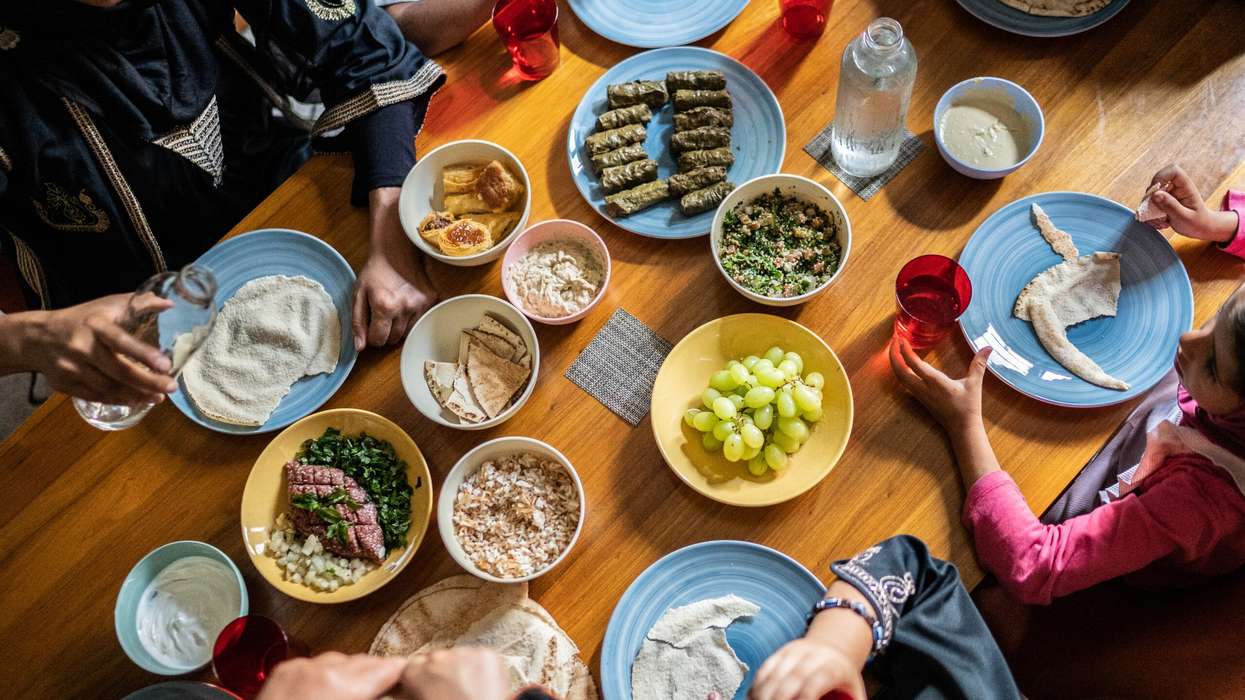
Hummus has been added for a different reason. According to the ONS, vegetables — particularly processed vegetable products — were under-represented in the basket, prompting statisticians to widen the selection of foods being monitored.
The basket is reviewed each year to ensure it reflects everyday spending as closely as possible. When items become less popular, they are removed, while new products or services are added to better match real consumer habits.
New ways to track prices
Beyond updating the list of goods, the ONS is also changing how it collects some of the price data used to calculate inflation.
The statistics agency plans to begin using supermarket scanner data to capture around half of the grocery market, while the remaining prices will continue to be collected manually by staff in stores and online.
Officials say this approach will give a more accurate picture of how consumers actually shop.
By recording the quantities of items sold, the system should reduce reliance on a fixed basket of groceries and provide a clearer view of spending patterns, Burgess reportedly said in a news report.
The update comes at a time when policymakers are closely watching inflation pressures, particularly as energy prices remain volatile following tensions in the Middle East. Rising fuel costs could still feed into broader consumer prices in the coming months, making accurate inflation data increasingly important for economic decision-makers.