
The World Health Organisation said on Tuesday (21) that Covid-19 virus variant continues to pose a threat as it steadily spreads across the globe.
"This virus, SARS-CoV-2, is circulating in every country right now and it still poses a threat," WHO expert Maria Van Kerkhove said.
"We have to remain vigilant because the virus is circulating, evolving, and changing," she told a discussion on the WHO's social media channels.
Van Kerkhove was the WHO's technical lead during the coronavirus pandemic that struck in 2019 and is now the UN health agency's interim director for epidemic and pandemic preparedness and prevention.
There are currently three variants of interest (XBB.1.5, XXB.1.16 and EG.5) and six variants under monitoring -- a lower level of concern.
One of the six, BA.2.86, is being moved up to become a variant of interest.
"We don't see a change in severity" compared to other variant sub-lineages, Van Kerkhove said, but "we've seen a slow and steady increase in its detection around the world".
The new classification should help promote surveillance and research.
The WHO is also publishing a new risk evaluation for EG.5, which represents about half of the sequences shared globally, though the WHO has also not registered a change in its severity.
Covid-19 pandemic killed millions of people and wreaked economic and social havoc.
The WHO declared a public health emergency of international concern -- its highest available alarm -- on January 30, 2020, and finally lifted it on May 5 this year.
Besides acute infection and disease, the WHO is also concerned about the long-term effects caused by the virus, known collectively as Long Covid, or post-Covid conditions.
"We do have evidence that vaccination with Covid-19 vaccines does reduce the risk of post-Covid condition," Van Kerkhove said.
She said 13.5 billion Covid-19 vaccines had been administered worldwide.
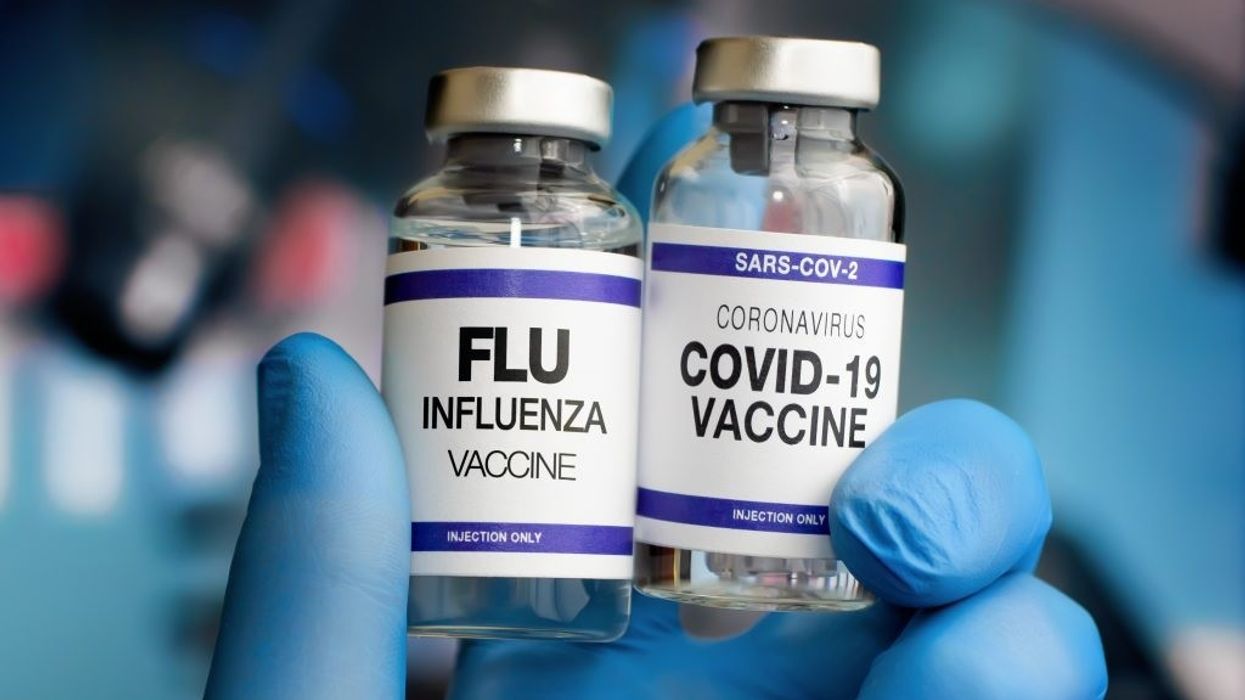
Noting that people can become infected with SARS-CoV-2 and influenza at the same time, she urged people in the northern hemisphere to get vaccinated against both as winter approaches.
(AFP)