Skip to content
Search

Latest Stories

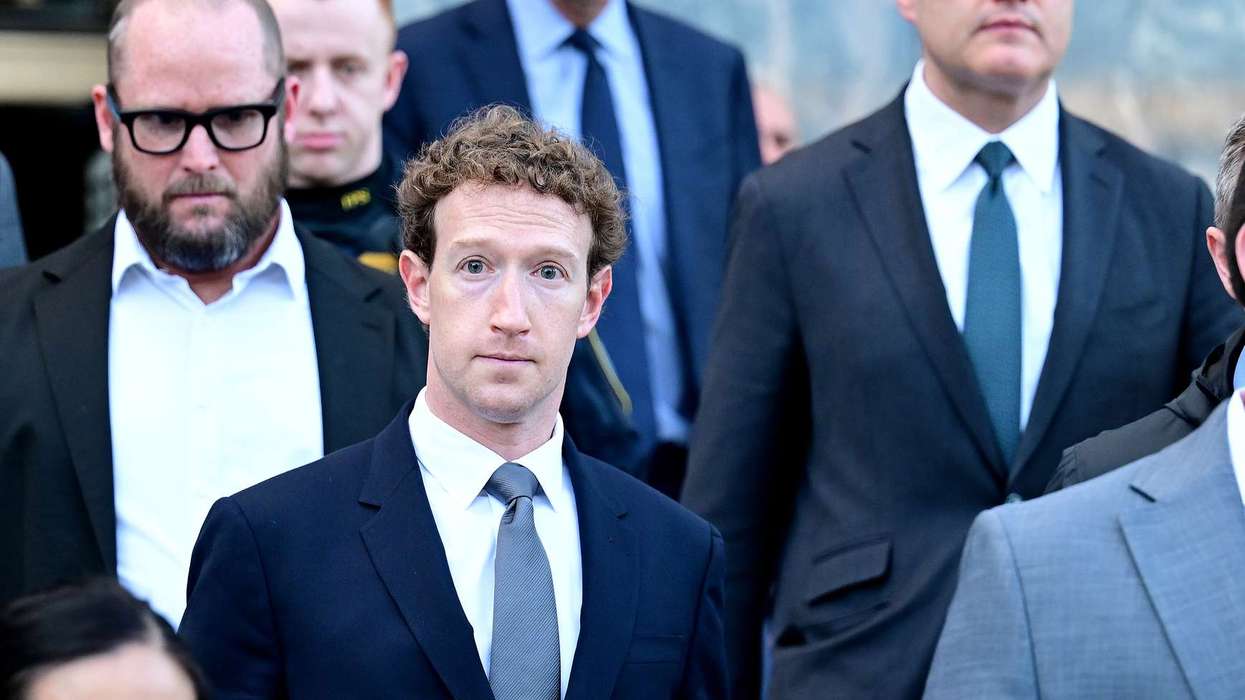
Zuckerberg denies targeting teens; court presents his 'bring them in as tweens' memo

Meta chief confronts damaging internal documents showing executives prioritised teen users while denying company pursued underage audiences

Mark Zuckerberg court case

Meta continues to deny the lawsuits fairly represent its commitment to child safety

Getty Images

Highlights

  • Mark Zuckerberg denied Meta targeted children on Facebook and Instagram despite internal documents suggesting teens were a key priority .
  • A 20-year-old woman known as KGM claims she started using Instagram aged nine and became addicted.
  • The case has been compared to the Big Tobacco trials of the 1990s, with hundreds of families and schools suing Meta, Google, TikTok and Snapchat.
Meta founder Mark Zuckerberg took to the witness stand in Los Angeles this week, flatly denying that his company's apps deliberately targeted children.
Testifying in a landmark trial in California, he told the jury that Meta does not allow children under 13 on Facebook or Instagram, and insisted the company had worked to remove underage accounts from its platforms.

However, Zuckerberg faced a series of uncomfortable confrontations as the claimant's lawyer, Mark Lanier, presented internal company documents that appeared to tell a very different story.

Damaging documents emerge

One internal Instagram presentation shown to the court read "If we want to win big with teens, we must bring them in as tweens." A 2017 executive email stated plainly that "Mark has decided the top priority for the company is teens."


Separately, emails from 2014 and 2015 showed Zuckerberg himself setting targets to increase time spent on the app by double-digit percentages, directly contradicting his 2024 congressional testimony.

Zuckerberg pushed back against each piece of evidence, saying his earlier remarks to Congress were accurate and that Lanier was "mischaracterising" his words.

He acknowledged Meta previously used time-spent goals but said the company had since changed its approach.

Human cost highlighted

Central to the trial is the case of KGM, a 20-year-old who claims she began using YouTube at six and Instagram at nine, developing a serious addiction that damaged her mental health.

Lanier dramatically unfurled a large banner of thousands of selfies KGM had posted during her adolescence, asking Zuckerberg directly: "You expect a nine-year-old to read all of the fine print?"

Before the trial began, both TikTok and Snapchat settled for undisclosed amounts. Meta continues to deny the lawsuits fairly represent its commitment to child safety, pointing to measures such as teen accounts with stricter privacy settings and content limits.


More For You

Roblox

Roblox Kids offers under-nines a simplified, communication-free, curated gaming experience

Getty Images

Roblox found parents helping children bypass age checks using their own faces

Highlights

  • Roblox footage showed children handing phones to parents during facial age checks.
  • The company now monitors account behaviour to detect age mismatches after verification.
  • New Kids and Select account tiers restrict content and communication by age group.
Roblox has revealed that parents have been using their own faces to complete age checks on their children's accounts, inadvertently placing minors into adult user categories with fewer protections.
The disclosure came from Matt Kaufman, the platform's chief safety officer, who said internal validation tests caught the behaviour directly.
"You could see the kid in the background who handed the phone to their parent," he told The Guardian.

The gaming company, which reports 144 million daily users, is now rolling out age-specific account types called Roblox Kids and Roblox Select, the most significant structural change to its platform in years.

A user's estimated age will determine which version of the service they access, what content they can view, and who they can communicate with.

Keep ReadingShow less