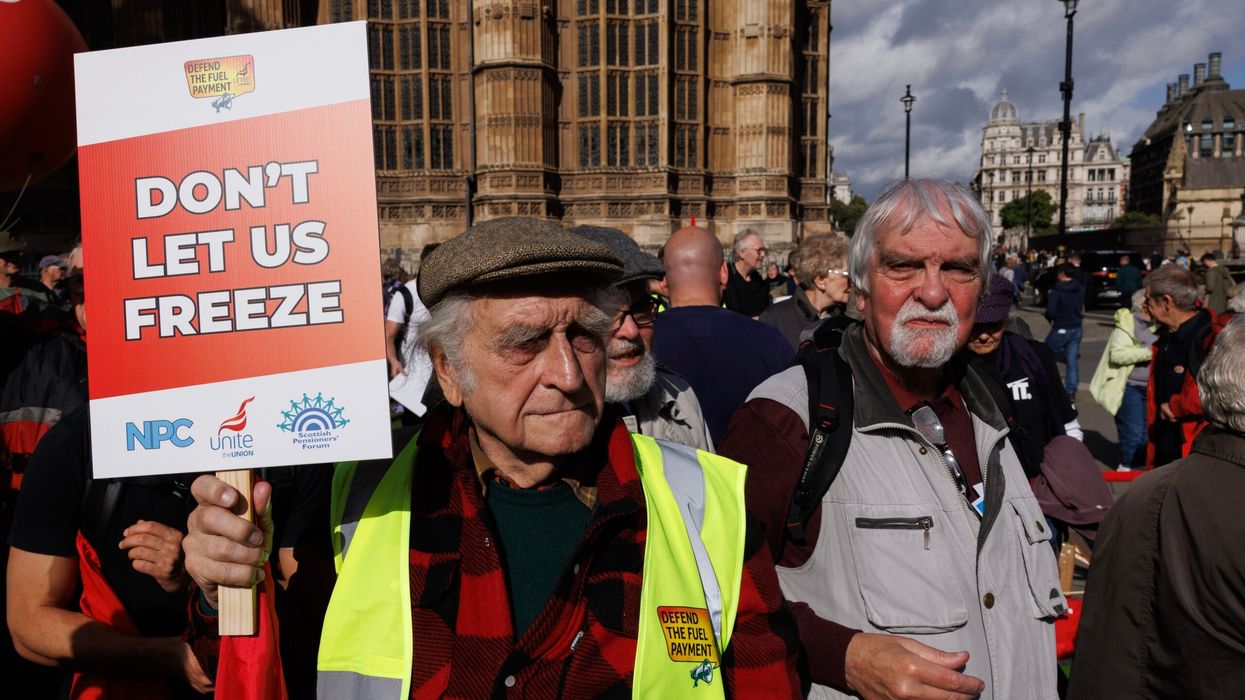

GOVERNMENT estimates reveal that changes to the winter fuel payment could leave an additional 50,000 pensioners in relative poverty next year.
Earlier this year, chancellor Rachel Reeves announced that the £300 payment would be limited to pensioners eligible for pension credit.
To mitigate the impact, the government launched a campaign encouraging pensioners to apply for pension credit, as reported by the BBC. However, Work and Pensions Secretary Liz Kendall clarified that the estimates do not account for potential increases in pension credit uptake.
Projections indicate that by March 2025, 2026, and 2028, 50,000 more pensioners will fall into relative poverty after housing costs. By March 2027, 2029, and 2030, this figure is expected to rise to 100,000. These estimates are rounded to the nearest 50,000. Kendall noted that small changes in underlying figures could significantly affect the headline numbers.
Currently, around 1.9 million pensioners, or 15 per cent, live in relative poverty. The cuts are projected to raise this figure by 0.5 percentage points, according to the BBC.
Kendall stated that the government had written to 120,000 pensioners, urging them to claim pension credit. She described the cuts as "a difficult decision to balance the books" amid a £22 billion fiscal deficit.
Opposition parties criticised the decision. Conservative shadow secretary Helen Whately accused Labour of knowingly increasing pensioner poverty, while Liberal Democrat Daisy Cooper condemned the move as unjustifiable despite fiscal challenges.
Keir Starmer defended the changes during the G20 summit, pointing to a £470 rise in the state pension next spring. Meanwhile, Scottish Labour leader Anas Sarwar pledged to expand pension credit eligibility under a future Labour government.