
- EY warns the UK economy could contract in 2027 if the Strait of Hormuz remains closed.
- Inflation could climb to 6.4 per cent as energy prices surge.
- A reopening later in 2026 would keep the UK's growth outlook broadly on track.
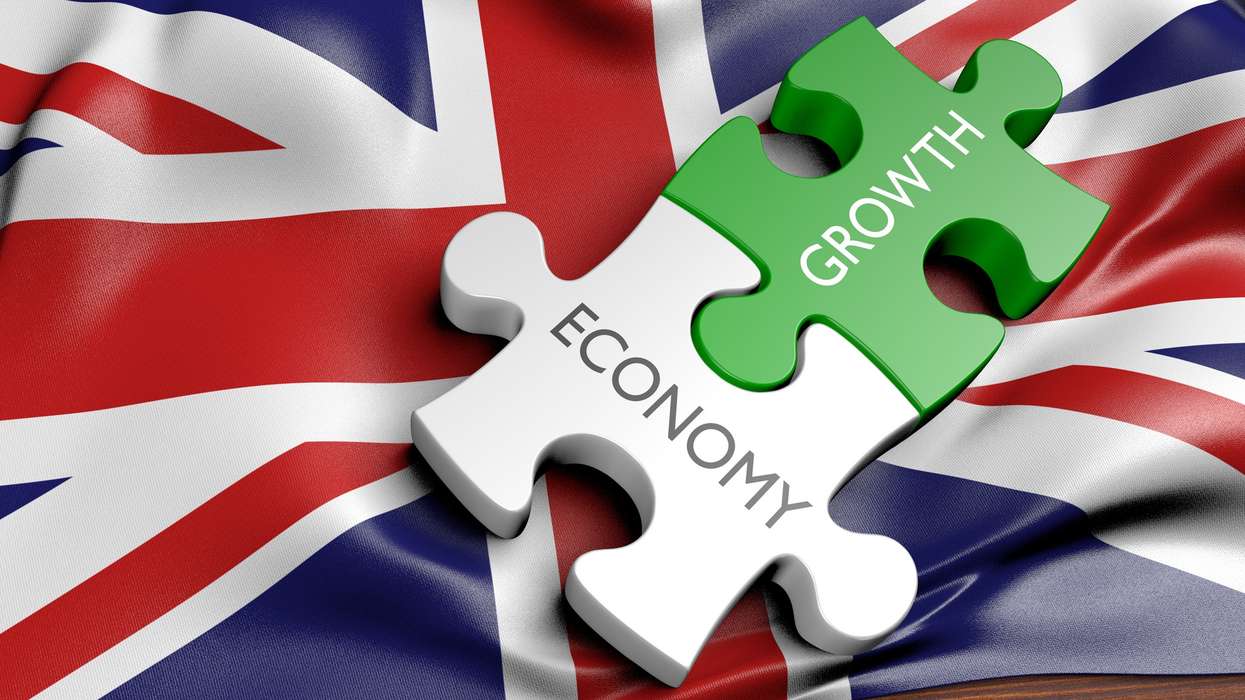
The Strait of Hormuz has emerged as one of the biggest risks facing the UK economy, according to EY, which warns that a prolonged closure linked to the Iran conflict could push Britain into recession next year.
In its latest economic outlook, EY said the outcome largely depends on how long the strategic waterway remains disrupted. Around one-fifth of the world's oil and gas passes through the Strait of Hormuz, making it one of the most important energy routes globally. A prolonged closure could send energy prices sharply higher, feeding through to inflation, household bills and business costs.
Under EY's downside scenario, if the Strait of Hormuz remains closed until early or mid-2027, UK economic growth would slow to 0.5 per cent in 2026 before the economy contracts by 0.2 per cent in 2027. Inflation could rise to 6.4 per cent by the end of 2026 as higher oil and gas prices filter through the economy.
By contrast, EY's central forecast assumes the waterway reopens before the end of the third quarter of 2026. Under that scenario, the firm expects the UK economy to grow by 0.9 per cent in 2026, slightly higher than its previous forecast of 0.8 per cent, before expanding by 1.2 per cent in 2027.
Inflation and interest rates remain the biggest concern
EY believes higher energy costs would make it harder for inflation to return to the Bank of England's 2 per cent target. The report expects interest rates to remain at 3.75 per cent through the rest of 2026 before two possible cuts in April and July 2027, leaving rates at 3.25 per cent by the end of the year.
The outlook follows the Bank of England's latest decision to keep rates unchanged at 3.75 per cent, while signalling it could raise borrowing costs if the Iran conflict continues and inflation accelerates. The Bank currently expects Consumer Prices Index inflation, which stood at 2.6 per cent in June, to peak at around 3.2 per cent later this year before easing.
EY also revised its outlook for business investment, now forecasting a 0.7 per cent decline in 2026 instead of no growth. Household spending is expected to remain subdued as consumers face higher prices and slower interest-rate reductions, with spending forecast to grow by 0.3 per cent in 2026 before improving to 0.9 per cent in 2027.
Peter Arnold, EY UK chief economist, reportedly said the UK economy has remained more resilient than many had expected, but warned that prolonged disruption to global energy markets would test that resilience. He added that if the Strait of Hormuz reopens in the coming months, the UK could avoid a deeper downturn, while an extended closure into 2027 would increase inflationary pressures and could push the economy into contraction.