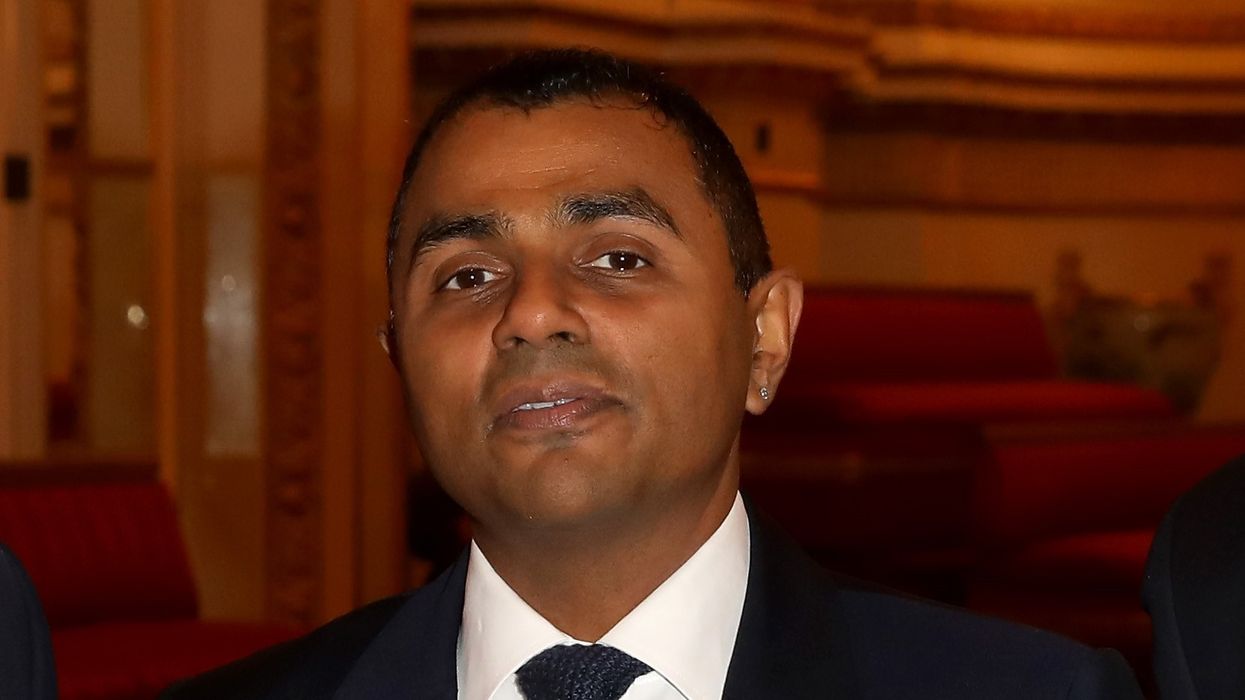

- The Waitrose sacking has widened into a debate on retail worker safety.
- Union data shows 59 per cent of staff want stronger in-store security.
- Retailers face growing pressure as shoplifting incidents continue to rise.
The dismissal of a long-serving employee at Waitrose is no longer just about one incident inside a London store. It is now feeding into a much larger conversation — how safe are retail workers expected to be while dealing with theft on a daily basis?
Walker Smith, 54, was let go after confronting a shoplifter at the retailer’s Clapham Junction branch. The situation reportedly escalated into a brief struggle over stolen Easter eggs before the items fell and broke. Within days, the story spread well beyond the store, not only drawing public sympathy but also raising uncomfortable questions about how frontline staff are expected to respond when crime happens right in front of them.
Waitrose has defended its position, stating that employees are not allowed to physically intervene due to safety risks. A spokesperson said, as quoted in a news report, that there is a “serious danger to life” in tackling shoplifters and that strict policies are in place to prevent harm.
A growing gap between policy and reality
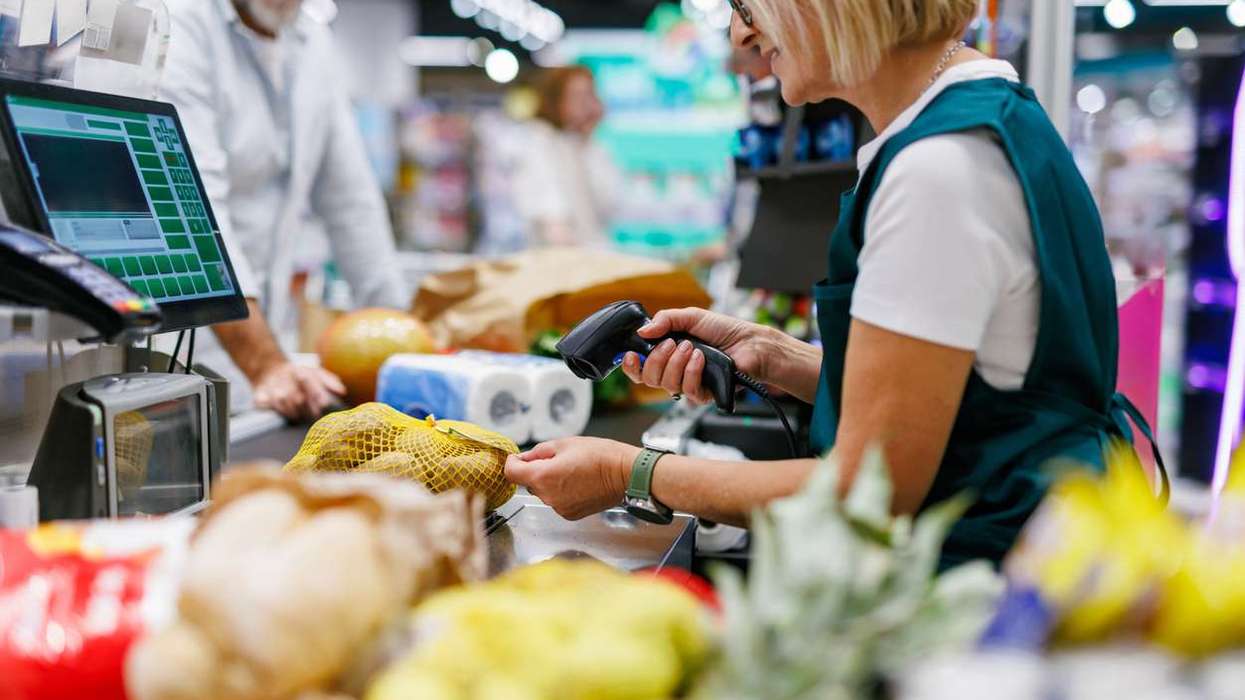
For many working in retail, the issue runs deeper than a single dismissal. Shoplifting, they say, is no longer occasional or discreet — it is frequent, visible and often carried out with little hesitation.
The shop workers’ union Usdaw has been pushing for stronger in-store protections, arguing that employees should not be left to manage such situations on their own. Its latest survey found that 59 per cent of members would prefer a visible security presence in stores, pointing to the reassurance and deterrence it provides.
There is also increasing support for measures such as improved CCTV, facial recognition systems and body-worn cameras — tools that allow incidents to be monitored and recorded without requiring staff to step into potentially dangerous confrontations.
Security experts suggest the current approach may not be keeping pace with reality. The Security Industry Federation has warned that assaults on retail workers are becoming more common, with some incidents turning serious. Calls for better protective equipment, including stab-proof vests and body cameras, have been growing louder within the industry.
The Waitrose case has also drawn attention from outside the retail sector. Richard Walker, chief executive of Iceland, publicly offered Smith a job, signalling a different stance on how such situations might be handled. He has also suggested that retailers need to explore stronger deterrents, including the use of AI to identify repeat offenders.
At the same time, political voices have stepped in, reflecting how the issue is beginning to cross into wider public policy. Chris Philp reportedly urged Waitrose to reconsider its decision, arguing that penalising staff who act against theft risks sending the wrong message. Nigel Farage also criticised the situation, framing it as part of a broader concern around law enforcement and accountability.
Despite the pressure, Waitrose has not indicated any reversal of its decision, stating that an internal appeals process is in place.
Where the retail sector goes from here
Behind the headlines, the dilemma remains unresolved. Retailers are trying to balance two competing priorities — protecting staff from harm while also responding to a steady rise in shoplifting.
Industry figures show that billions of pounds have been spent on crime prevention in recent years, yet the sense among many workers is that the gap between policy and on-ground reality is widening.
For Smith, the focus appears more immediate. In a message shared online, he said his priority is finding new work after nearly two decades with the company.
For the wider industry, however, the question is likely to linger longer — not just what staff should do when theft happens, but how much responsibility they should be expected to carry in the first place.