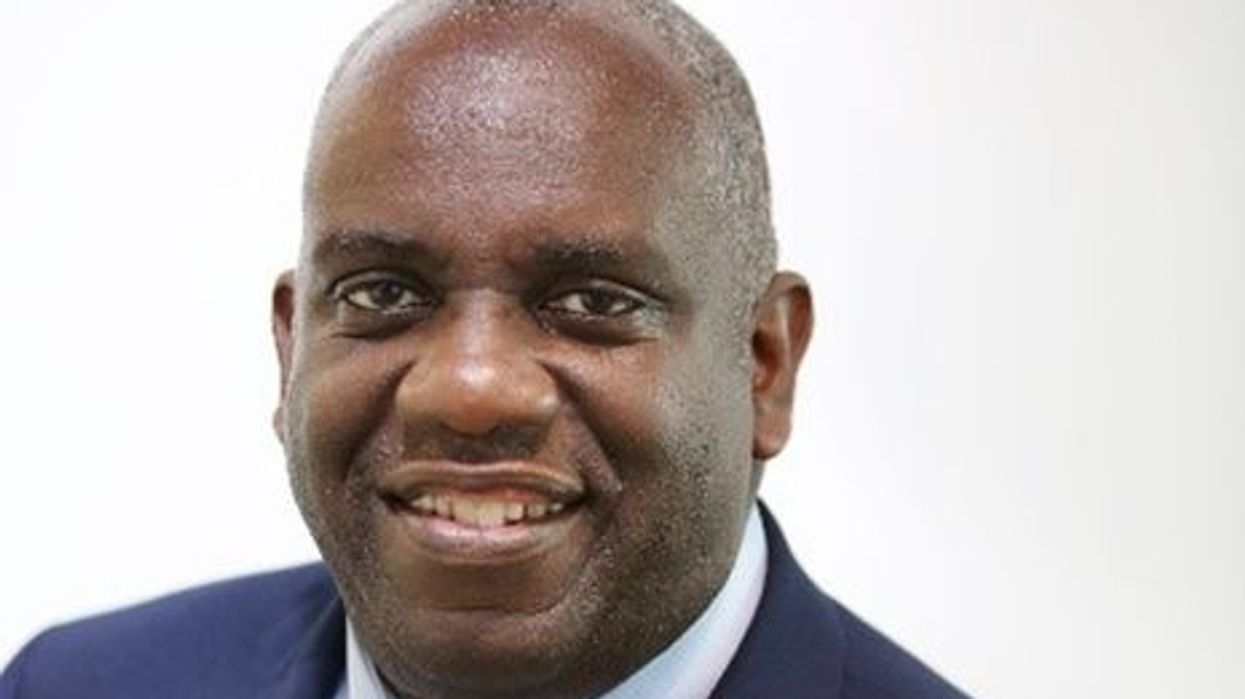
EDUCATION consultant Tony Sewell said the UK should shift its focus from unconscious bias to other factors which cause disparities.
Sewell, who headed the government-appointed Commission on Race and Ethnic Disparities, said racism remained a problem in Britain but addressing other factors such as class, geography and family structure could go a long way in tackling inequalities.
He had authored the commission’s 2021 report which controversially stated that the UK was not institutionally racist.
Coming against the backdrop of Black Lives Matter protests, his report had drawn condemnation from equality campaigners.
At the time, he justified his report - which the government accepted in entirety - arguing that most ethnic minorities educationally fared better than the white working class.
However, multiple reports published since then have concluded that some organisations including the Metropolitan Police are institutionally racist.
He told The Times that the country should not be driven by “white guilt” and it was not right to “see everything through the race lens alone”.
Sewell, whose parents came to the UK from Jamaica, said “white guilt” could be seen in institutions, demonstrated by their “overreach, completely irrational responses, not considering the context and the complexities of issues”.
“The critical problem is, are we going to be driven by facts and data or are we going to be driven by sentiment, guilt and lobby groups?” he told the newspaper.
According to him, most social justice issues around disparities are complex because of “multiple reasons” and “you’ve got to have the courage to unravel them” and find out where the problems are rooted.
Ahead of the 75th anniversary of the arrival of HMT Empire Windrush, a cruise ship which brought a group of West Indian migrants to the UK in 1948, he said the UK evolved over the years and he felt "better" now.
He said both Britain and the migrants contributed to the positive change.
“The Windrush arrivals were the first of a series of waves of migrants who have themselves been changed by Britain, but who also changed Britain — and are going to change it even more”, the founder of the educational charity Generating Genius said.
UK should shift its focus away from ‘white guilt’: Tony Sewell
The race report author says it's not right to see everything through the race lens alone