
MATERNAL deaths in the UK rose by 20 per cent over 14 years, despite a pledge by the Tory government to halve the rate, new figures show.
Data from MBRRACE-UK, a research programme led by the University of Oxford, revealed that the number of women dying during pregnancy or shortly after birth increased between 2009–11 and 2022–24, covering the Conservatives’ 14 years in power.
The report also highlighted sharp inequalities. Black women were almost three times more likely to die during or after pregnancy than white women, while Asian women also faced a higher risk. Women living in the most deprived areas had nearly double the death rate of those in the least deprived areas.
Age was also a factor, with women aged 35 and over almost twice as likely to die as those aged between 25 and 29.
In 2015, then health secretary Jeremy Hunt promised to cut maternal deaths by 50 per cent by 2030 and make the NHS “one of the safest places in the world to have a baby”. Two years later, the target date was brought forward to 2025. However, the latest figures show the rate rose instead of falling.
Health experts and charities described the rise as “very concerning” and “an absolute tragedy”, warning that pressures on maternity services have continued to grow.
The report found that indirect maternal deaths, linked to existing health conditions made worse by pregnancy, rose only slightly over the period. But deaths directly linked to pregnancy, including from bleeding, blood clots and pre-eclampsia, increased by 52 per cent.
Blood clots were the leading cause of death during pregnancy or up to six weeks after birth. Experts said these deaths are often preventable if problems are identified and treated early.
“Over this time, the maternal mortality rate in the UK has increased by 20 per cent,” the report said, adding that progress towards the government’s target could be clearly measured by comparing the two periods.
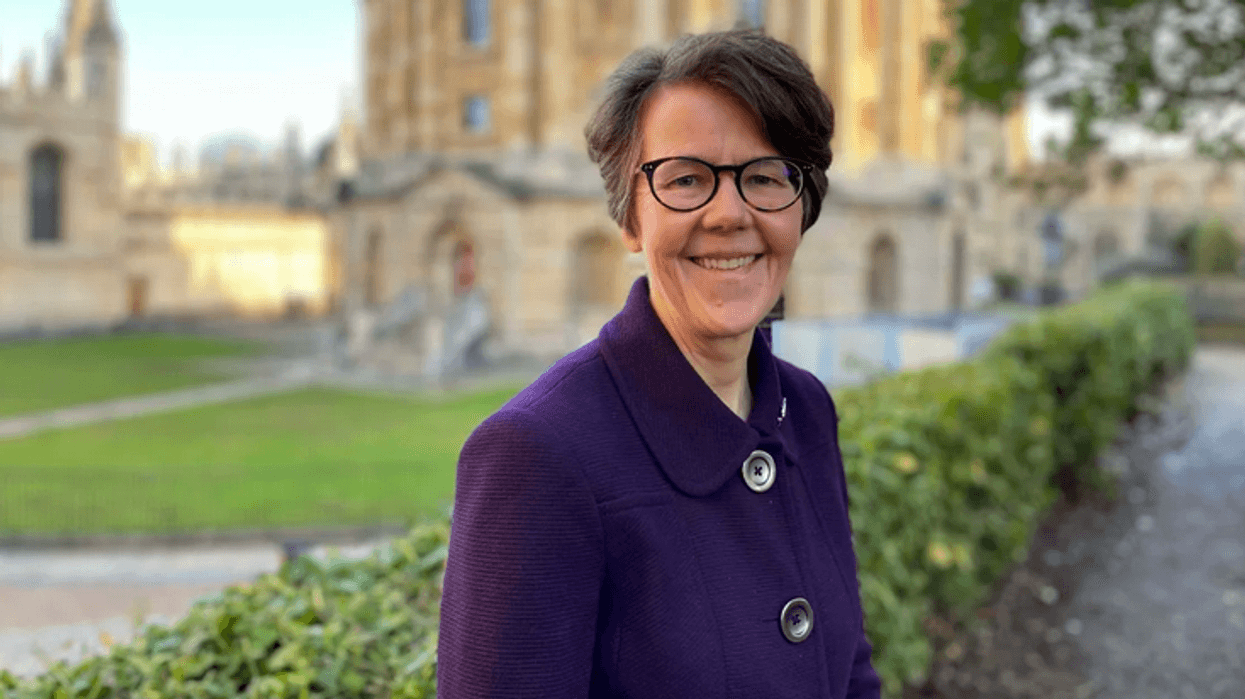
Professor Marian Knight, the programme lead for MBRRACE-UK, said the findings were “very concerning”, especially as “pressures on maternity services have not eased”.
Dr Kim Thomas, chief executive of the Birth Trauma Association, said the rise was “shocking”, particularly given the previous government’s pledge to cut deaths by half.
“The deaths are mainly from complications such as pre-eclampsia and blood clots, which can be treated effectively if identified and acted on in a timely fashion,” she was quoted as saying. “Unfortunately, we often hear stories of life-threatening conditions being missed.”
The Royal College of Midwives said women were being failed by a maternity system under “extreme pressure”.
“This is an absolute tragedy for women, babies and the staff who care for them,” said Clare Livingstone, the college’s head of professional policy and practice. “Many of these deaths are avoidable, and the lack of progress over more than a decade is unacceptable.”
She warned that long-standing inequalities and years of underinvestment meant preventable harm would continue unless maternity services were properly staffed and funded.